Traditional homes carry warmth through oak grain, turned legs, woven fabrics, and carefully aged finishes. Smart furniture should support that character, not compete with it. In 2026, the best pieces combine discreet technology with durable materials and familiar proportions. A walnut sideboard might conceal wireless charging, cable management, and adjustable interior lighting. A classic reading chair may include gentle heat, posture support, or app-controlled relaxation settings. These features feel useful when they remain nearly invisible.
How to integrate smart furniture into a traditional home? Begin with the room’s existing rhythm. Match the furniture’s wood tone, hardware, and scale before considering extra functions. Use one intelligent centerpiece, such as a lift-top desk or a connected console, rather than filling every corner with electronics. Hide cables behind skirting boards or inside furniture channels. Warm lighting usually works better than bright, cold LEDs beside antique finishes.
Practical testing matters. Open drawers, sit in the chair, and check whether controls feel natural. Review privacy settings, software support, warranty terms, and recognized electrical safety certifications. Compatibility can also disappoint. A beautiful table may not connect smoothly with your preferred smart-home platform. That limitation matters. Reliable selections should offer manual controls when apps fail or batteries run low. Expert advice helps, but real homes remain unpredictable. A slightly imperfect match may still feel more honest than a flawless gadget that damages the room’s atmosphere. The goal is not to make tradition look futuristic. It is to make everyday living quieter, easier, and more comfortable.
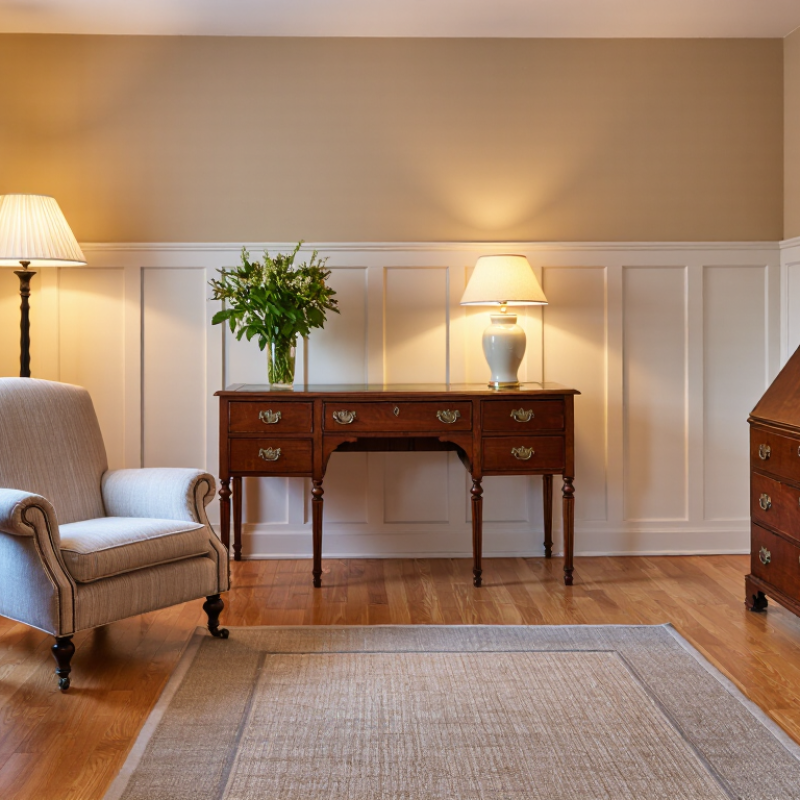
Smart furniture in traditional homes is no longer about making old rooms look futuristic. It means adding useful technology without losing warmth, proportion, or familiar daily habits. In 2026, a solid oak sideboard might hide wireless charging, cable storage, and adjustable interior lighting. A classic reading chair could include quiet posture support and a small presence sensor.
The best solutions remain visually restrained. Furniture should match existing wood tones, wall colors, and room scale. I have found that concealed controls work better than glowing screens in formal spaces. A discreet touch panel under a tabletop can control lighting, temperature, or speaker volume. Physical switches still matter, especially when guests feel uncomfortable using voice commands.
Privacy needs careful attention. Smart furniture should collect the least data necessary and provide clear manual controls. Motion sensors may improve convenience, but they can misread a sleeping pet or an empty chair. That weakness is easy to overlook. Homeowners should check electrical safety, software support, repair options, and compatibility before buying. A beautifully crafted cabinet becomes frustrating when its electronic parts cannot be replaced. Traditional homes benefit most when technology serves the room quietly, rather than demanding attention.
This comparison focuses on furniture types that add useful technology while preserving the proportions, materials, and visual character commonly associated with traditional interiors.
| Furniture Type | Smart Function | Typical Power or Connectivity | Traditional-Home Integration | Key Practical Benefit | Important Considerations | Suitability |
|---|---|---|---|---|---|---|
| Smart Side Table | Integrated wireless charging, USB-C charging, concealed lighting, and optional device controls. | Usually mains-powered; wireless charging commonly supports up to 15 W where compatible with the device and charging standard. | Wood veneer, turned legs, warm finishes, and concealed cable channels can match traditional seating and occasional tables. | Provides charging and gentle task lighting without adding a visibly modern device to the room. | Wireless charging performance depends on phone alignment, case thickness, and heat management. A rear cable route is essential. | Excellent |
| Smart Console Table | Hidden power distribution, USB-C charging, motion-activated lighting, and cable management for media or entryway devices. | Typically connected to a standard household outlet; USB-C power output varies by model and should be checked before purchase. | Works well behind a sofa, in a hallway, or beneath artwork when technology is concealed behind drawers or panels. | Organizes chargers, lamps, routers, and small household electronics in one discreet location. | Ventilation is needed when networking equipment or power adapters are stored inside enclosed compartments. | Excellent |
| Adjustable Smart Desk | Electric height adjustment, programmable height presets, anti-collision sensing, and optional posture or usage reminders. | Mains-powered motor system; many models support at least two or three saved height positions. | A wood-look top, classic trestle styling, or a desk shape inspired by writing furniture can reduce the appearance of office equipment. | Allows seated and standing work while supporting a flexible study, library, or home-office space. | Check the desk's lifting capacity, stability at standing height, motor noise, and the distance required from nearby furniture. | Very Good |
| Smart Reclining Armchair | Motorized recline, powered headrest or footrest, USB charging, and sometimes memory-position controls. | Usually mains-powered with a low-voltage external power adapter; battery options are model-dependent. | Leather, textured fabric, rolled arms, and compact proportions can make powered seating suitable for a traditional sitting room. | Improves reading and relaxation comfort without requiring a separate footstool or visible control system. | Allow clearance behind and in front of the chair. Moving parts should be kept away from children and pets during operation. | Very Good |
| Smart Bedside Table | Wireless charging, USB-C ports, touch or motion lighting, and optional sleep-environment controls. | Normally mains-powered; charging output and supported wireless standards vary by model. | A three-drawer or paneled design can resemble conventional bedroom furniture while hiding the electronics. | Keeps phones, glasses, lamps, and charging cables organized beside the bed. | Controls should be easy to operate in darkness. Avoid placing heat-producing adapters beneath bedding or in unventilated drawers. | Excellent |
| Smart Storage Cabinet | Interior lighting, electronic locks, inventory sensors, humidity monitoring, or controlled charging compartments. | May use mains power, replaceable batteries, or a combination of both, depending on the functions included. | Paneled doors, traditional hardware, and furniture-grade finishes help the cabinet appear architectural rather than technical. | Provides secure, organized storage for electronics, valuables, documents, or household equipment. | Electronic locks require a reliable backup entry method. Humidity sensors do not replace proper ventilation or moisture control. | Very Good |
| Smart Coffee Table | Lift-top work surface, concealed storage, wireless charging, integrated lighting, or motorized height adjustment. | Usually mains-powered when motorized; passive storage and lift-top mechanisms may not require electricity. | Wooden tops, turned supports, and restrained metal details can echo traditional occasional-table design. | Converts a living-room table into a temporary work, dining, or charging surface. | Moving lift mechanisms need clearance and regular inspection. Avoid overloading the lifting surface beyond the stated limit. | Good |
| Smart Lighting Cabinet or Bookcase | Integrated LED shelf lighting, dimming, timers, occupancy sensing, and scene control. | Typically mains-powered; LED systems commonly use low-voltage drivers and may support app or voice control. | Painted wood, built-in proportions, crown molding, and adjustable warm-white lighting can complement libraries and dining rooms. | Highlights books, artwork, and collectibles while improving low-level ambient lighting. | Warm-white settings around 2700–3000 K generally create a traditional residential atmosphere. LEDs still require adequate heat dissipation. | Excellent |
| Smart Dining Sideboard | Concealed charging, interior lighting, temperature or humidity monitoring, and organized appliance storage. | Usually mains-powered; power capacity must be suitable for the appliances stored inside. | Paneled doors, drawer fronts, and classic proportions allow the technology to remain visually discreet in dining areas. | Supports serving, storage, and controlled access to small appliances without visible cable clutter. | Appliances that generate heat should not operate inside closed compartments unless the cabinet is specifically designed for that purpose. | Very Good |
| Smart Entryway Bench | Hidden shoe-compartment lighting, charging ports, occupancy sensing, and optional air-quality or humidity monitoring. | May be battery-powered for sensors or mains-powered when lighting and charging are included. | Upholstered seating, beadboard-style panels, baskets, and natural wood finishes fit traditional hallways and mudrooms. | Combines seating, storage, and device charging near the entrance of the home. | Use durable, easy-clean upholstery and protect electronic components from wet shoes, umbrellas, and outdoor moisture. | Very Good |
Choose familiar shapes, warm wood, soft fabric, and hidden technology. A side table might hide charging ports and gentle lighting. The room should still feel calm.
Useful options include dimmable lights, cable storage, occupancy sensors, and quiet posture support. Small improvements usually feel more natural than dramatic automation.
Manual controls should still operate the furniture. A reading lamp needs a physical switch. Network failure should not disable basic comfort.
Select furniture with physical microphone controls, visible status lights, and local data processing. Disable unused sensors. A clear off switch matters.
Measure doorways, outlets, drawer clearance, and space around moving parts. Check voltage, repair access, warranty terms, and replacement parts. Measurements are easy to forget.
Sit in it for at least ten minutes. Test the lowest position and footrest support. Your calves should feel supported, not compressed behind the knees.
Match finishes with existing wood, paint, upholstery, and evening lighting. Hide cables behind the furniture, but leave one service point accessible. Technology should disappear when unnecessary.
Sometimes. A physical switch can feel easier for guests and older family members. I once preferred automation, but an awkward manual lever became irritating within days.
Test the furniture after sunset, with curtains closed and ordinary lamps turned on. Cover bright indicators or add dimming. A tiny light can disturb a quiet bedroom.
In 2026, smart furniture for traditional homes is designed to combine modern convenience with timeless character. Instead of replacing classic interiors, it supports them through discreet features such as hidden charging points, adjustable lighting, voice-free controls, temperature management, and built-in storage solutions. Suitable categories may include smart tables, connected recliners, adaptive beds, intelligent cabinets, and traditional-style desks that preserve familiar materials, proportions, and craftsmanship.
Choosing the right pieces requires attention to comfort, privacy, durability, and compatibility with existing home systems. Homeowners should select furniture with simple controls, secure data settings, repairable components, and designs that complement wood, fabric, and other classic finishes. The key question is: How to integrate smart furniture into a traditional home? Start with one practical item, conceal cables, match colors and textures, and place technology where it improves daily routines without becoming the visual focus. This balanced approach allows traditional rooms to remain warm, elegant, and personal while gaining useful modern functionality.

 Lullaby Furniture