2026 Best Ways to Maximize Storage in a Tiny Studio?

Time:2026-09-11 Author:Mason
0%

Living in a tiny studio can make every square foot feel valuable. A chair may become a clothes pile, while the kitchen counter quietly turns into a storage shelf. This guide explores the best ways to maximize storage in a tiny studio in 2026. It focuses on realistic layouts, flexible furniture, and habits that remain practical after the initial makeover.

The central question is simple: How to maximize storage in a tiny studio apartment? Start by measuring wall height, doorway clearance, and unused corners. Vertical shelving can hold books, dishes, and folded clothing without consuming floor space. Storage beds, nesting tables, and benches with hinged seats can add useful capacity. However, multi-purpose furniture is not always perfect. Some pieces are heavy, expensive, or difficult to access every day.

A reliable plan separates frequent-use items from seasonal belongings. Keep daily essentials between waist and shoulder height. Place suitcases, winter blankets, and rarely used appliances higher up. Clear containers make forgotten items easier to find. Labels help, but too many labels can create another chore. Leave narrow walking paths around the bed and cooking area. Your studio should feel organized, not crowded with storage products. The strongest results usually come from combining small improvements, testing them for a week, and adjusting what fails. Even experienced organizers sometimes overestimate how much they will use. That mistake is useful. It reveals what truly deserves space.
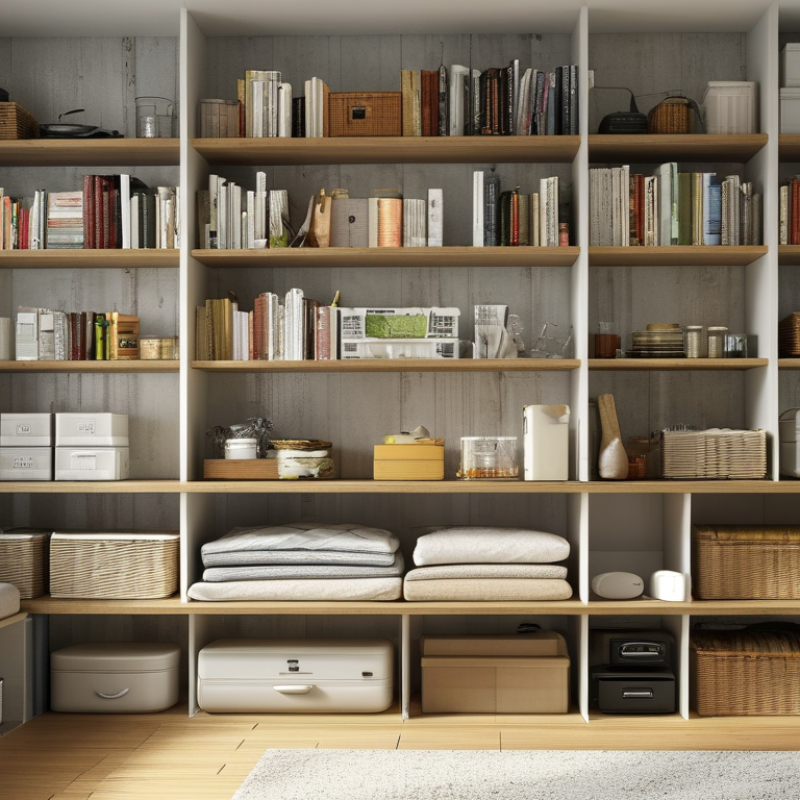
2026 Best Ways to Maximize Storage in a Tiny Studio?

Assess Your Studio’s Space, Storage Needs, and Daily Routines

A tiny studio needs an honest space assessment before buying storage. Measure wall height, floor width, door swings, and the clearance around your bed. The 2024 National Association of Home Builders survey found that 84% of buyers considered a pantry desirable. That preference reveals a practical truth: people want supplies close to where they use them. In a studio, one narrow cabinet may serve as a pantry, linen closet, and cleaning station.

Watch your routines for three days. Note where keys, clothes, dishes, cables, and delivery packages land naturally. Storage should follow behavior, not imagined discipline. A shallow shelf near the entrance can hold daily essentials. Closed boxes under the bed can protect seasonal clothing. Vertical rails may keep cooking tools off a limited counter. Keep frequently used items between waist and shoulder height. Rarely used items can move higher.

Measure twice.

The 2023 U.S. Census Bureau American Housing Survey shows that housing conditions vary widely, so a generic “small space” solution can mislead. Your studio may have tall ceilings but poor daylight, or generous closets but awkward doors. Test one change for a week before expanding it. I once overestimated under-bed storage because a radiator blocked two-thirds of the available length. That mistake matters. Leave walking paths open, especially beside the bed and near the cooking area. A beautiful storage system that interrupts your morning routine is still a failed system.

Use Vertical Space with Shelves, Cabinets, and Wall-Mounted Systems

In a tiny studio, unused wall area is valuable storage territory. The 2024 Houzz U.S. Kitchen Trends Study reports that 76% of renovating homeowners updated their cabinets. That finding supports a simple principle: storage should be designed into daily routines, not added randomly.

Install shelves above desks, doorways, and kitchen counters. Keep frequently used items between waist and eye level. Place seasonal bedding in higher cabinets. A 30-centimeter shelf can hold folded towels, jars, or small boxes without stealing floor space.

Wall-mounted systems also keep cleaning tools visible and accessible. Closed cabinets protect belongings from dust and create a calmer visual field. Open shelves work better for attractive, regularly used objects.

Tips: Measure wall depth before buying hardware. Leave enough clearance for doors, windows, and ventilation. Use a stud finder or suitable anchors, and respect the manufacturer’s weight limit. Labeling storage zones can prevent small items from spreading across the room. Do not fill every shelf. Empty space matters.

The National Association of Home Builders’ 2024 buyer-preference research continues to rank practical storage features among desirable home elements. Yet vertical storage is not automatically efficient. Deep shelves often become forgotten corners. I would test one section with temporary boxes first. That small experiment may reveal poor reach, awkward shadows, or an unsafe mounting height. Adjust before installing the full system.

Choose Multifunctional Furniture with Hidden and Flexible Storage

2026 Best Ways to Maximize Storage in a Tiny Studio

Choose multifunctional furniture with hidden and flexible storage. A lift-top coffee table can hold books, chargers, and folded blankets without adding visual clutter. A storage bed uses the largest unused area in many studios. Choose drawers that open fully, so items do not disappear into dark corners. A narrow bench near the entrance can provide seating, shoe storage, and a place for bags.

Flexible pieces matter just as much. Nesting tables can separate during dinner and stack beside a wall afterward. A rolling cart can move from the kitchen to the desk when your routine changes. I once bought a beautiful cabinet with shallow shelves. It looked efficient, but it wasted space. Measure containers and furniture together before purchasing. Hidden storage should make daily tasks easier, not create a second problem.

Tips: Keep everyday items at waist height. Store seasonal items higher. Use labeled fabric boxes inside deep drawers. Leave some empty space for future needs. Test doors and wheels in the store, if possible. Small details matter. A foldable dining surface may save room, but it can become annoying when used several times daily. Reflect on your habits, not just the furniture’s advertised functions.

Organize Small Belongings with Zoning, Containers, and Labeling

2026 Best Ways to Maximize Storage in a Tiny Studio

A tiny studio needs zones before it needs more furniture. Mark three areas: sleeping, working, and daily essentials. In my experience, a narrow shelf beside the entrance prevents keys, chargers, and receipts from spreading across the room. Start with zones. The 2024 National Association of Home Builders survey found that 83% of buyers considered a walk-in pantry essential or desirable. That preference reflects a wider need for visible, controlled storage, even when space is limited.

Use containers that match each category, not each available corner. Place shallow bins under the bed, stackable boxes on high shelves, and one open tray near the door. Keep frequently used items between waist and eye level. Reserve difficult corners for seasonal belongings. Label every container with specific words, such as “winter cables” or “spare toiletries.” Vague labels create another search problem. The 2023 IKEA Life at Home Report noted that clutter can reduce feelings of comfort and control, though reports based on self-reported behavior should be read carefully.

Leave 15% of each container empty. This sounds inefficient, but it allows new items to fit without damaging the system. I still overfill drawers sometimes. That failure is useful evidence. If one category repeatedly escapes, the zone or container is wrong. Review the setup monthly, remove duplicates, and photograph hidden storage before buying anything new. Use measurements, not optimism.

Maintain an Efficient Storage System Through Regular Decluttering

In a tiny studio, storage works only when unused items leave regularly. Set a fifteen-minute decluttering session every Sunday. Keep a small box near the entrance for things you no longer use. When it fills, review each item before donating, recycling, or discarding it responsibly. This prevents forgotten clutter from spreading across shelves, chairs, and the floor.

Use three questions: Do I use this? Would I replace it? Does it deserve this space? Be honest. A spare cable may feel useful, yet five identical cables create confusion. Group similar items in clear containers, and label them with simple words. Store daily essentials at eye level. Place seasonal items higher or beneath the bed. Leave some empty space, because a completely full shelf is difficult to maintain.

Decluttering should also include digital and hidden storage. Check drawers, luggage, and boxes once each month. Photograph sentimental objects before deciding whether to keep them. I have found that delayed decisions often become permanent clutter. Still, strict minimalism is not practical for everyone. Some tools, documents, and comfort items need room. Review the system after two weeks, especially if objects keep landing on the floor. A storage plan that looks perfect may fail during a busy week. Adjust the locations, reduce the categories, and keep the easiest habits.

FAQS

: How should I assess storage needs in a tiny studio?

: Measure wall height, floor width, door swings, and bed clearance. Watch your routines for three days. Notice where keys, clothes, dishes, cables, and packages naturally land.

Where should frequently used items go?

Keep daily items between waist and shoulder height. Place keys and bags on a shallow shelf near the entrance. Store cooking tools beside the counter. Convenience matters.

How can I use the space under my bed?

Use closed boxes for seasonal clothing, spare bedding, or shoes. Measure the full length carefully. A radiator or frame may block much of the space. I once overestimated this area. It was frustrating.

What type of furniture works well in a small studio?

Choose pieces with more than one purpose. A lift-top table can hold books, chargers, and blankets. A narrow bench can provide seating and shoe storage. A storage bed can use a large hidden area.

How can flexible furniture support changing routines?

Nesting tables can separate during meals and stack afterward. A rolling cart can move between the kitchen and workspace. Test wheels and doors before buying. Movement helps.

How do I avoid wasting space inside cabinets?

Measure containers and shelves together before purchasing furniture. Deep drawers can hold labeled fabric boxes. Choose drawers that open fully. Otherwise, small items may disappear in dark corners.

Should I use vertical storage in a studio?

Yes, when floor space is limited. Use vertical rails for cooking tools or cleaning supplies. Place rarely used items higher. Keep walking paths open near the bed and cooking area.

How can I know whether a storage change really works?

Test one change for a week before expanding it. Check whether your morning movement feels easier. A beautiful cabinet can still fail if its doors block passage. Reflect honestly. Your habits may resist the plan.

Conclusion

Maximizing a tiny studio apartment starts with understanding how you use the space every day. Ask yourself: How to maximize storage in a tiny studio apartment? Begin by assessing your belongings, available floor area, and daily routines so every storage choice serves a real purpose. Use vertical space efficiently with wall-mounted shelves, tall cabinets, and organized hanging systems. This keeps essentials accessible while freeing valuable floor space.

Choose multifunctional furniture, such as seating with internal compartments, beds with drawers, or tables that can be folded away when not needed. Group small belongings by function and store them in clearly labeled containers, creating simple zones for clothing, work items, kitchen supplies, and personal accessories. Finally, maintain the system through regular decluttering. Reviewing your possessions periodically prevents overcrowding, keeps frequently used items within reach, and ensures that your studio remains practical, comfortable, and visually calm.

Mason

Mason

Mason is a seasoned marketing professional with a deep expertise in the company's offerings and a passion for driving brand awareness. With a strong background in digital marketing strategies, he has an innate ability to connect with diverse audiences and effectively communicate product benefits.......