In recent years, the discussion around office chairs has intensified, largely due to the rise of remote work. Employees are more aware of their comfort and well-being. This brings us to an important question: "What is the difference between ergonomic and standard office chairs?" According to Dr. Jane Smith, a leading ergonomist, "Choosing the right chair can enhance productivity and reduce injury risk."
Ergonomic chairs are designed with features that promote good posture and support. They often include adjustable seats, lumbar support, and armrests. In contrast, standard chairs lack these features, which can lead to discomfort during long hours of sitting. A report from the American Chiropractic Association states that 31 million Americans experience lower back pain, partly due to poor seating choices.
The choice between ergonomic and standard chairs is significant. Many companies invest in ergonomic options to boost employee morale and reduce healthcare costs. However, not all ergonomic chairs are created equal. Some may prioritize aesthetics over function, leading to inconsistency in support. The decision ultimately hinges on individual needs and workplace dynamics, making it essential to assess both types critically.
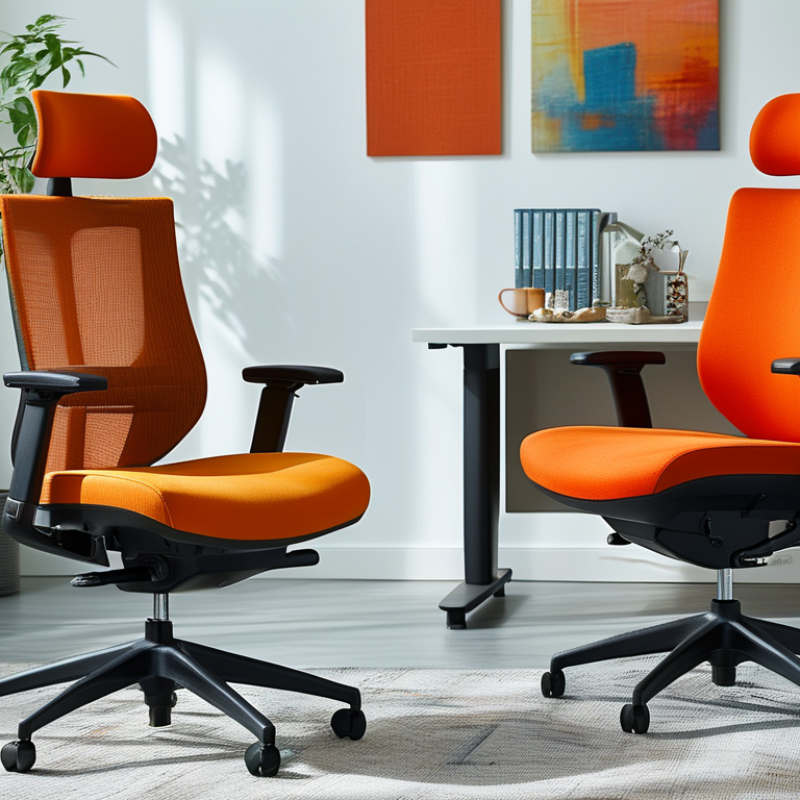
Ergonomic office chairs are designed to enhance comfort and support during long work hours. They feature adjustable components, such as seat height and lumbar support, which cater to individual needs. This adaptability plays a crucial role in maintaining proper posture, reducing strain on the spine and muscles. As many workers can attest, traditional chairs often lead to discomfort and fatigue.
Comfort isn't just about softness. Ergonomics is about alignment and support. Many ergonomic chairs provide cushioning and breathable materials, allowing for longer periods of seated work. However, not all ergonomic chairs are created equal. Some may still fall short in crucial areas, like adjustability or lumbar support. Each user’s body is unique, and a chair that works for one person may not suit another.
The long-term health benefits of using ergonomic chairs can be significant. Users often report decreased back pain and improved productivity. Yet, it's essential to test and evaluate different models before settling on one. Understanding your own body's needs will make all the difference in finding the best ergonomic chair for you. Sometimes, even the so-called "best" options might not fit everyone's requirements.
When considering standard office chairs, design and functionality are crucial. These chairs often feature basic designs. They provide adequate comfort for short-term use. However, functionality can vary greatly among models. Some may offer adjustable heights, while others lack this feature. Many individuals might notice that a chair without adjustments can lead to discomfort after extended periods.
Tip: Look for chairs with adjustable lumbar support. This can enhance your posture and reduce back strain. A well-designed chair encourages you to maintain a healthy seating position.
Cost is another important factor. Standard office chairs typically come at a lower price point. This makes them accessible for many. However, budget-friendly options might compromise on durability. You may also find that cheaper chairs wear out sooner, leading to additional costs in the long run.
Tip: Evaluate the warranty before purchasing. A longer warranty can indicate a chair's quality and durability. Investing in a chair that fits your needs may save you from discomfort and additional expenses later.
When it comes to choosing office chairs, ergonomics plays a pivotal role in comfort and health. Research shows that ergonomic chairs can reduce back pain by up to 50%. A study conducted by the Occupational Health Psychology found that employees using ergonomic seating report significantly higher levels of comfort and productivity. Standard chairs do not provide the necessary lumbar support. This lack of support can lead to chronic issues over time.
In an office setting, the average worker spends about 1,700 hours a year seated. The implications of poor seating can be profound. A report from the National Institute of Health noted that prolonged sitting in non-ergonomic chairs contributes to musculoskeletal disorders. More employees are opting for adjustable ergonomic chairs. These allow customization for varied body types. This adaptability leads to a more supportive work environment.
However, the perception of comfort can be subjective. What feels good for one person might not suit another. Adjustable features in ergonomic chairs can sometimes create confusion, making it difficult for users to find the optimal settings. Some may still prefer the simpler design of standard chairs, believing they offer more ease of use. It's essential to weigh these aspects carefully when considering the best option for your workspace.
When deciding between ergonomic and standard office chairs, consider your posture and comfort. Ergonomic chairs are designed to support your body’s natural alignment. They often have adjustable features for seat height, lumbar support, and armrests. These adjustments can help reduce fatigue during long working hours. A supportive chair can lead to better focus and productivity, which is crucial for remote and onsite workers alike.
Standard chairs might be cheaper and more straightforward, but they often lack essential support. If you spend long hours at a desk, these chairs can lead to discomfort or chronic pain. Look for a chair that encourages movement. Too much sitting can negatively impact your health. The right chair can help you maintain energy levels throughout the day.
Take your time when selecting a chair. Sit in different options to test comfort and support. Remember, the most expensive chair isn’t always the best choice. Your individual needs matter most. Reflect on how different designs feel during your usual tasks. This practical evaluation can guide you toward a chair that truly enhances your work experience.
| Feature | Ergonomic Chairs | Standard Chairs |
|---|---|---|
| Support | High lumbar support, adjusts to body shape | Basic backrest, limited support |
| Adjustability | Multiple adjustable parts (height, armrests, backrest) | Fixed settings |
| Comfort | Designed for long-term comfort | Basic comfort for short-term use |
| Materials | Breathable fabrics, cushioned padding | Plastic or basic fabric |
| Price Range | $200 - $1,200 | $50 - $200 |
| Health Benefits | Reduces pain, improves posture | Limited health benefits |
Choosing the right office chair influences productivity and well-being. Ergonomic chairs often boast advanced support features. They are designed to fit the natural curve of your spine. Users frequently report less back pain with these chairs. However, not everyone finds them comfortable. Comfort is subjective and varies per individual.
Standard office chairs may lack specialized support but can be satisfactory for some. They often allow for more freedom of movement. Employees might feel less restricted, which can foster creative thinking. Yet, prolonged use could lead to discomfort. It's not always easy to identify which chair works best for you.
In the long run, the type of chair can significantly affect health. Poor posture from inadequate chairs leads to fatigue and reduced focus. Conversely, ergonomic chairs encourage a better posture. Finding the right balance is crucial. Consider personal preferences and specific work tasks. Both chair types have their merits and drawbacks, calling for thoughtful evaluation.
: They are designed to enhance comfort and support during long work hours.
Adjustability helps maintain proper posture and reduces strain on the spine and muscles.
No, each user’s body is unique. A chair may not suit everyone.
Users often report decreased back pain and improved productivity.
Standard chairs may provide adequate comfort but lack necessary adjustments for long-term use.
Look for features like adjustable lumbar support to enhance posture.
They may cost less upfront but can wear out quickly, leading to more expenses.
The average worker spends about 1,700 hours a year in a seated position.
No, comfort perception is subjective. Adjustments can be confusing for some users.
A longer warranty can indicate quality and durability, making it worth considering.
The article titled "2026 Top Ergonomic vs Standard Office Chairs: Which is Best?" explores the key distinctions between ergonomic and standard office chairs. To address the question, "What is the difference between ergonomic and standard office chairs?", it highlights the unique features and benefits of ergonomic designs, which prioritize user comfort and health through adjustable components and support for the spine. In contrast, standard office chairs typically focus on basic functionality and are often more cost-effective, but they may lack the advanced support that promotes long-term wellness.
The article further delves into the scientific research surrounding comfort and health, comparing the impact of both chair types on productivity and overall well-being. With a comprehensive analysis of the long-term effects, it provides insights into essential factors for choosing the right chair for individual needs, ensuring that users can make informed decisions that enhance their workspace experience.

Lullaby Furniture