Creating a comfortable outdoor space requires durable furniture that can withstand various weather conditions. Homeowners often wonder, "What are the best materials for weather-resistant patio furniture?" This question is essential for making informed decisions. Selecting the right materials not only affects the longevity of your furniture but also its aesthetic appeal.
Different materials come with unique advantages and disadvantages. For example, teak is renowned for its natural resistance to moisture, insects, and decay. However, it can be costly and requires maintenance to retain its beauty. Aluminum is lightweight and rust-resistant, yet it may not provide the same warmth and style as wood. Synthetic wicker offers a cozy look, but its quality varies greatly among brands.
Understanding these materials is crucial. It's not just a matter of pick-and-choose. You must consider climate, usage, and personal style. Striking a balance between function and appearance can be daunting. It requires thoughtful consideration and sometimes, a bit of trial and error. Decorate wisely and enjoy your patio to the fullest.
Introduction to Weatherproof Patio Furniture Materials
When considering weatherproof patio furniture, the choice of materials plays a vital role in durability and longevity. Research indicates that high-quality materials like aluminum, teak, and synthetic wicker perform exceptionally well against harsh weather conditions. According to a 2022 industry report, aluminum can withstand temperatures as low as -20°F without warping, making it suitable for various climates.
Teak wood, known for its natural oils, offers excellent resistance to moisture and UV rays. Studies show that untreated teak can last over 25 years outdoors. However, it requires regular maintenance to retain its luster. Conversely, synthetic wicker is both lightweight and resilient. It is crafted to endure UV exposure while maintaining an aesthetic appeal.
Tips: To extend the life of your patio furniture, clean it regularly with mild soap. A protective cover can shield against rain and sunlight. Also, seasonally check for wear and tear, addressing issues promptly to avoid bigger problems. Life will always present challenges, so monitoring your furniture will help keep it in good shape.
Key Factors in Choosing Durable Outdoor Furniture Materials
When choosing weatherproof patio furniture, several key factors come into play. The climate in your area should guide your material selection. For instance, if you live in a humid region, you may want to avoid wood that can warp or rot easily. Instead, synthetic wicker or aluminum can withstand moisture without degrading.
Durability is crucial. Look for materials that resist fading and corrosion. Metal furniture often features powder-coated finishes, which enhance longevity. Choosing high-density polyethylene (HDPE) is also wise, as it is resistant to UV rays and withstands harsh weather conditions without cracking. However, it's worth noting that even the most durable materials require care to maintain their appearance and functionality over time.
Comfort matters as well. Cushions made from high-quality, water-resistant fabric can add luxury to your outdoor space. Yet, ensure these fabrics have mildew-resistant properties. With the right blend of materials, your space can be both stylish and long-lasting. Remember to consider your unique environment and lifestyle when making these choices, as this can influence how well your patio furniture performs over the years.
Best Materials for Durable Weatherproof Patio Furniture
Top Materials for Weather-Resistant Patio Furniture
When it comes to choosing weather-resistant patio furniture, certain materials stand out for their durability. Aluminum, for instance, is lightweight yet robust. It resists rust, making it ideal for various climates. According to a recent industry report, aluminum furniture can last over 20 years with proper maintenance.
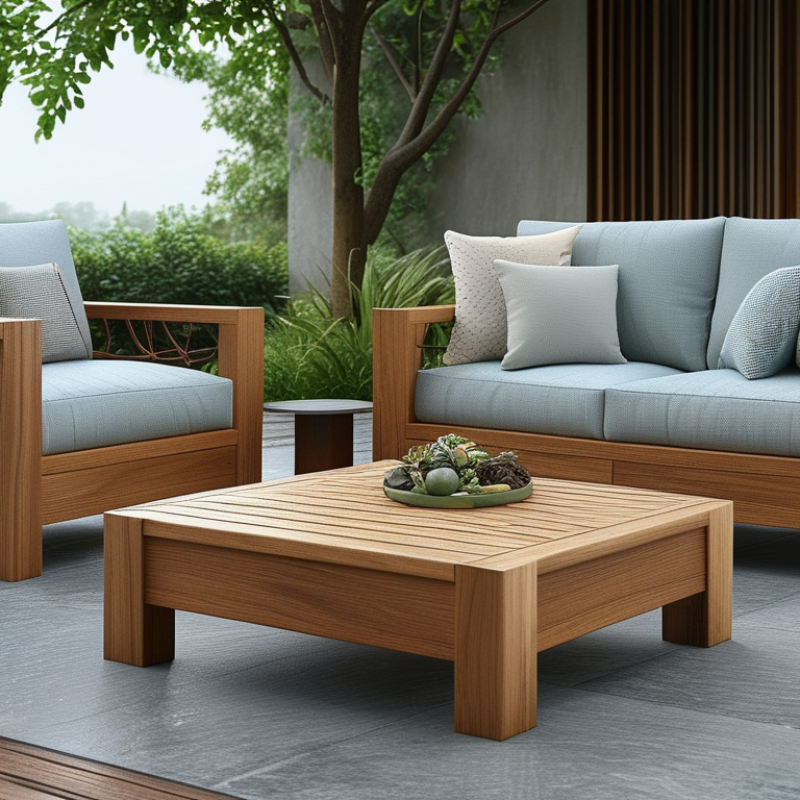
Teak wood offers another excellent option. This hardwood is naturally resistant to moisture and decay. Its oil content protects it from the elements, enhancing longevity. Teak can withstand high temperatures and remains stable, making it popular in outdoor settings. Gardening experts note that untreated teak can develop a beautiful silver-grey patina over time.
Tips: Always consider the maintenance requirements of each material. While aluminum may need occasional cleaning, teak will benefit from annual oil treatment to maintain its luster. You might want to cover your furniture during harsh weather to extend its lifespan. Think about where you'll store your furniture in winter; all materials react differently to extreme conditions.
Comparison of Synthetic and Natural Materials for Outdoor Use
When choosing materials for durable weatherproof patio furniture, both synthetic and natural options have their pros and cons. Synthetic materials like resin or aluminum can withstand moisture and temperature changes better than natural options. They are lightweight and often require less maintenance. However, they may lack the authentic look that many homeowners desire.
On the other hand, natural materials like teak and eucalyptus have their own charm. They offer a warm and inviting aesthetic, perfect for outdoor spaces. These woods possess natural oils that provide some resistance to the elements. Yet, they can be susceptible to fading and require regular care. Finding a balance between aesthetics and durability can be challenging.
In many cases, combining materials may yield the best results. A blend of synthetic and natural elements could achieve both functional and visual appeal. Each option invites reflection on how best to harmonize beauty and practicality in your outdoor setting. The decision may vary based on personal preference, climate, and maintenance willingness. Ultimately, understanding your lifestyle needs will lead to the best choice.
Maintenance Tips for Extending the Life of Patio Furniture
To extend the life of your patio furniture, proper maintenance is essential. Regular cleaning is crucial. A study by the Outdoor Furniture Association indicates that outdoor furniture can last up to 15 years with proper care. Use mild soap and water to clean surfaces. Avoid harsh chemicals, as these can damage finishes. Rinse thoroughly to prevent soap scum build-up.
Seasonal care is also important. During harsh weather or winter months, it's advisable to store furniture indoors or use protective covers. According to industry reports, furniture left exposed to elements like rain and snow can degrade in just a few seasons. Checking for rust or fading will help spot issues early. For metal pieces, consider applying a protective wax to prevent corrosion.
Another often overlooked detail is the importance of inspecting fasteners and joints. Tightening loose screws can prevent structural issues down the line. An unaddressed loose joint can lead to larger problems and costly repairs. It's a small step that makes a big difference in durability. Enjoying your outdoor space means being proactive about its upkeep.
FAQS
: In humid areas, avoid wood that can warp. Synthetic wicker and aluminum are better options.
Regular cleaning and maintenance are essential. Use mild soap and water for surfaces, avoiding harsh chemicals.
Durable materials resist fading and corrosion. They help your outdoor furniture withstand harsh weather conditions.
Applying a protective wax can prevent corrosion on metal pieces, enhancing their lifespan.
Regular checks for rust and fading are vital. Early detection of issues can prevent costly repairs.
Yes, high-quality, water-resistant cushions add luxury. Mildew-resistant properties are also important for longevity.
Store furniture indoors or use protective covers during harsh weather to avoid damage.
Neglecting to tighten loose screws and inspect joints can lead to structural problems over time.
The climate affects durability and maintenance needs. Choose materials according to your environment.
Yes, even durable materials need care to maintain their appearance and functionality over time.
Conclusion
When considering outdoor aesthetics and longevity, many homeowners may wonder, "What are the best materials for weather-resistant patio furniture?" Choosing the right materials is essential to ensure that furniture can withstand various weather conditions while maintaining its appeal. Key factors such as durability, maintenance, and resistance to elements like moisture and UV rays should be prioritized when selecting outdoor furniture.
Some of the top materials for weatherproof patio furniture include high-density polyethylene (HDPE), aluminum, and teak wood, each offering unique benefits. Synthetic materials like HDPE provide excellent resistance to fading and cracking, while natural options like teak boast timeless beauty but may require more maintenance. A comparison of these materials reveals that although natural woods may be aesthetically pleasing, synthetic options often outperform them in terms of durability and ease of care. To extend the life of patio furniture, regular maintenance, including cleaning and protective treatments, is vital.

 Lullaby Furniture