Creating an organized bookshelf is both an art and a science. Research shows that visually appealing spaces can enhance our productivity and reduce stress levels. A well-styled bookshelf can bring warmth to a room while serving as a functional storage space. However, many struggle with “how to style a bookshelf without it looking cluttered?”
Studies indicate that over 60% of people appreciate aesthetics in their living spaces, yet clutter often undermines this intention. A cluttered bookshelf can feel chaotic and overwhelming, overshadowing the beauty of the books and decor it holds. Finding balance is key—integrating books with decorative items in a cohesive way can transform a crowded shelf into a curated display.
With the rise in interest regarding home organization and design, professionals emphasize the need for thoughtful styling. The right combination of colors, sizes, and layouts can create harmony. This guide addresses common pitfalls and offers actionable tips, empowering you to style your bookshelf while avoiding the cluttered look. In the process, you might discover some areas where reflection and adjustments are needed to truly enhance your space.
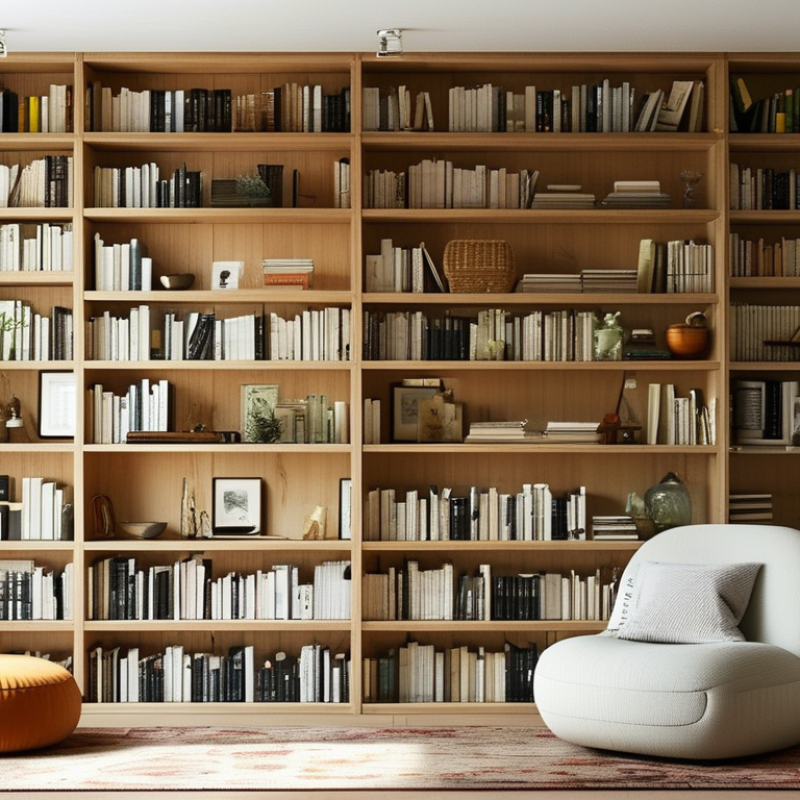
When styling a bookshelf, choosing the right shelf is crucial for aesthetics and organization. A well-chosen shelf can enhance the space, making it feel cohesive. According to a recent study by the American Institute of Architects, 70% of homeowners prioritize open shelving for its visual appeal and increased accessibility. However, selecting the right size and style is essential to avoid clutter.
Consider your collection’s size and shape. For smaller books, a narrow shelf might suffice. Taller shelves work well for larger books. Think about material too; wood adds warmth, while metal offers a modern touch. When mixing decor with books, aim for balance. One recent survey showed that 62% of interior designers recommend integrating decorative items to create a personalized look.
To keep things from looking chaotic, limit decorative pieces to one-third of the shelf. Curate your collection, displaying only favorite titles. Rotate items occasionally to keep the shelf fresh. Not everything needs to match; an eclectic mix can foster charm. For example, pairing a vintage globe with contemporary art can spark conversation. Thoughtful selection and arrangement can prevent overcrowding while showcasing personality.
When styling a bookshelf, categorizing your books and items is essential for achieving a cohesive look. According to a survey by the American Institute of Decorators, a well-organized bookshelf can enhance the aesthetic appeal of a room, increasing perceived value by up to 15%. Grouping books by genre, color, or size creates visual interest and helps avoid a cluttered appearance.
Incorporate decorative items that reflect your interests. This adds personality and draws attention without overwhelming the space. Studies show that people are more likely to engage with a bookshelf that tells a story. You can use space-saving techniques too. For instance, place smaller books vertically and larger ones horizontally. This not only maximizes space but also creates contrast.
However, avoid packing your shelf tightly. A crowded shelf can lead to stress and distraction. Leave some empty space to allow the eye to rest. Remember, a bookshelf should reflect your personality, not be a collection of unread books. Reflecting on what truly sparks joy can transform a cluttered shelf into an inviting focal point in your home.
Incorporating color schemes and textures into your bookshelf can transform it into an eye-catching focal point. Studies suggest that visual appeal significantly affects mood and productivity. A carefully curated color palette can enhance the aesthetic value and create a harmonious environment. For example, studies show that 85% of individuals feel more relaxed when surrounded by calming colors, such as greens and blues.
Textures also play a critical role. Mixing materials like wood, metal, and fabric adds depth and dimension. A rough-textured bookend next to smooth, sleek book covers creates contrast, drawing the eye. Additionally, incorporate throws or decorative boxes to break the monotony. According to design experts, layering textures can increase visual interest by up to 70%.
However, achieving balance can be challenging. Avoid overcrowding the shelf with too many items. Instead, pick key pieces that speak to you. Sometimes, less is more. Regularly reassess your collection to avoid visual clutter. Remember, every item should have a purpose, whether functional or decorative. This mindful approach can lead to a more cohesive and aesthetically pleasing bookshelf.
| Tip Number | Tip Description | Suggested Color Scheme | Recommended Textures |
|---|---|---|---|
| 1 | Use varying heights of books and decor. | Neutral tones with accents. | Wood and metal. |
| 2 | Incorporate art pieces. | Bold colors. | Canvas and glass. |
| 3 | Add plants for an organic touch. | Earthy tones. | Natural textures. |
| 4 | Use decorative boxes to store small items. | Muted shades with texture. | Fabrics and papers. |
| 5 | Feature a statement item on a shelf. | Contrasting colors. | Ceramic or stone. |
| 6 | Group items in odd numbers for visual balance. | Subtle pastels. | Wood and metal. |
| 7 | Mix books with decor items for a personal touch. | Warm color palette. | Glass and wood. |
| 8 | Keep a color theme for books. | Monochromatic shades. | Smooth surfaces. |
| 9 | Ensure good lighting to highlight the shelf. | Soft white light. | N/A. |
| 10 | Leave some empty space for a clean look. | Neutral colors. | N/A. |
Styling a bookshelf can be a delightful challenge. One effective method to minimize clutter is by using decorative boxes and baskets. These items add style while providing storage. Choose boxes that match your color scheme. Textured baskets can add warmth and depth to any display.
Consider which items you want to showcase. For example, place a few cherished books on display. Instead of leaving everything out, store the bulk of your collections in decorative boxes. This keeps the shelf looking clean and organized. Use smaller boxes for items like coasters or remote controls.
It’s essential to find balance. Too many decorative items may overwhelm your design. Aim for simplicity. Ask yourself if each item adds value to your space. If not, consider removing it. Regularly reevaluate your bookshelf to avoid clutter creep. Creating an inviting and functional bookshelf is an ongoing process.
Styling a bookshelf can be a delightful, yet challenging task. One key tip is to incorporate personal touches that truly reflect your character.
Art and plants are excellent ways to add warmth and personality to your shelves. Choose pieces of art that inspire you. This could be a small painting, a framed quote, or even a photograph from a special trip. Hang these items at varying heights to create a visually interesting display.
Incorporating plants brings life to your bookshelf. Choose easy-to-care-for varieties like succulents or snake plants. Their varying shapes and textures can soften the space. Place them in unique pots to make a statement. However, be careful not to overcrowd. Too many plants can defeat the purpose of a clutter-free look. A few well-placed pieces can enhance your bookshelf's character.
Consider the placement of your books. Group them by color or theme for a cohesive look. However, embracing imperfection can also be refreshing. Leave some areas empty to breathe. Displaying a book cover can offer a peek into your interests.
Additionally, allowing some space for reflection can turn your bookshelf into a curated gallery of your life.
: Group books by genre, color, or size. This creates visual interest and avoids clutter.
They add personality and focus, but should not overwhelm the space.
Place smaller books vertically and larger ones horizontally. This maximizes space and adds contrast.
A crowded shelf can cause stress and distraction. Leave some empty space for visual rest.
A curated color palette enhances aesthetic value and can improve mood significantly.
Mixing materials like wood, metal, and fabric adds depth. It increases visual interest remarkably.
They provide stylish storage solutions. Use them to keep items organized and the shelf clean.
Regularly assess each item. If it doesn't serve a purpose, consider removing it from the shelf.
Display only a few cherished books. Store the bulk in decorative boxes for a cleaner look.
Regular reassessment helps avoid clutter creep and keeps your bookshelf inviting and functional.
When exploring how to style a bookshelf without it looking cluttered, the first step is selecting the right shelf that complements both your books and decorative items. Ensuring a cohesive look can be achieved by categorizing your books and decor into distinct sections. This organization not only provides visual clarity but also allows for an aesthetically pleasing arrangement.
Incorporating color schemes and various textures can further enhance the visual appeal of your bookshelf. Utilizing decorative boxes and baskets helps in reducing clutter while providing functional storage solutions. Finally, adding personal touches such as art pieces and plants infuses character into the space, making your bookshelf a unique reflection of your personality and style.

Lullaby Furniture