Blending vintage furniture with modern decor can create a unique and stylish space. Understanding how to mix vintage furniture with a modern interior is key to achieving this balance. Vintage pieces bring character, while modern decor offers sleekness and simplicity.
Consider the color palette when merging styles. A vintage armchair can stand out against a neutral modern sofa, creating a focal point. Use accessories to tie the two styles together. For instance, modern artwork can complement an antique table. However, be cautious not to overcrowd the space with contrasting elements.
It's important to reflect on what works for your style. Mixing can sometimes lead to a cluttered feel. Aim for harmony, where each piece enhances the other. The journey of blending these styles will involve some trial and error. Embrace the imperfections along the way. This fusion reflects your personality and creative spirit.
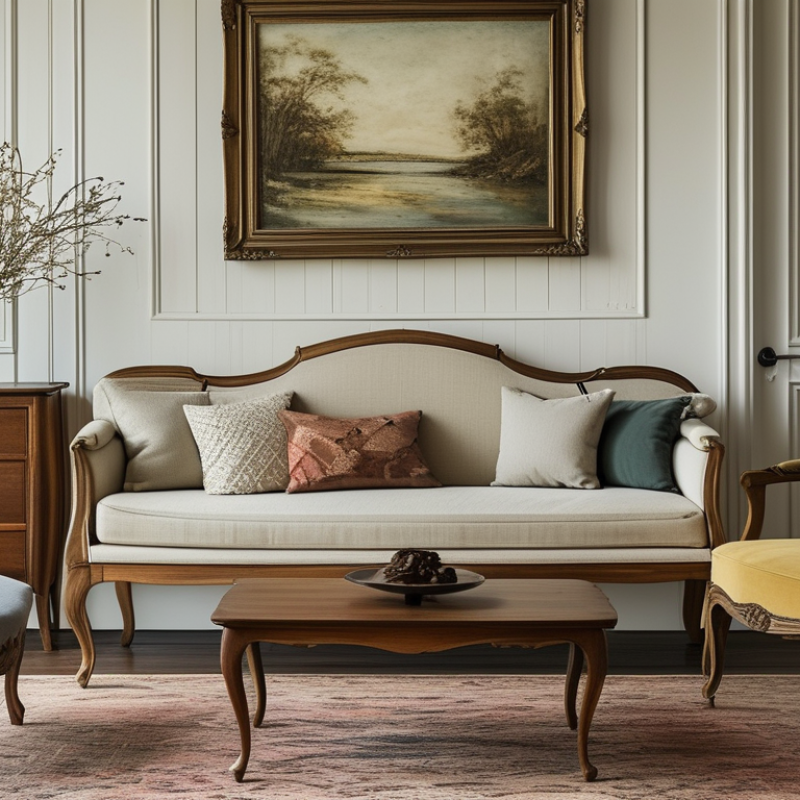
Selecting the right vintage pieces for your modern space can create a unique and stylish home. Begin with understanding your space. Vintage furniture can bring charm but can also clash with modern designs. Balancing these elements is crucial. A study from the American Institute of Architects indicates that 65% of homeowners want a blend of old and new styles, highlighting a growing trend in interior design.
When choosing vintage items, consider the scale and proportion. Overly large pieces may overwhelm a minimalist setting. A vintage chair next to a sleek modern sofa can create a compelling contrast, as long as they are of harmonious proportions. Look for materials that complement or subtly contrast with modern finishes. For example, wood tones can warm up a space dominated by metal and glass. According to the International Furniture and Design Association, 70% of designers recommend mixing materials for a balanced aesthetic.
Evaluate the history and craftsmanship of vintage pieces. Not all vintage items are created equal. Some may lack durability, requiring thoughtful selection. A recent survey notes that 40% of homeowners face challenges with upkeep in mixed decor settings. Opt for items that not only resonate with your style but also boast solid quality. Embracing imperfection can add character, but it’s essential to recognize the fine line between charm and wear.
Modern decor is characterized by sleek lines, minimalism, and a focus on functionality. This design style often embraces a neutral color palette, emphasizing whites, blacks, and grays. Geometric shapes and open spaces create a sense of airiness and light. The furniture tends to feature innovative materials like metal and glass, prioritizing both aesthetics and durability. When adding vintage pieces, it’s crucial to select items that complement these characteristics without overwhelming the visual space.
Mixing vintage furniture with modern decor can create a unique and inviting atmosphere. Choose a few key vintage items that have strong visual appeal. A mid-century chair or a rustic wooden table can serve as a focal point. Ensure these pieces have a story or character that enhances the room's narrative. However, balance is essential. Too many vintage elements can clutter the simplistic nature of modern decor. Embrace imperfection; a slightly worn vintage item can bring warmth to a sleek space, inviting conversation and reflection.
Using colors wisely can tie together different styles. Consider softer, muted tones for vintage items that harmonize with contemporary colors. Textures play a vital role too. A textured vintage rug can warm a stark modern floor. The challenge lies in balancing these contrasts, creating a space that feels cohesive yet dynamic. Embrace the juxtaposition, for it often leads to the most interesting designs.
| Characteristics | Vintage Elements | Modern Decor Ideas | Blending Tips |
|---|---|---|---|
| Materials | Wood, leather, metal | Glass, steel, acrylic | Use wooden vintage pieces with modern glass accents for contrast. |
| Colors | Earthy tones, muted colors | Bright, bold colors | Incorporate vibrant accessories to complement vintage neutrals. |
| Patterns | Floral, intricate designs | Geometric, minimalistic patterns | Mix bold geometric prints with soft vintage textiles for balance. |
| Shapes | Curved, ornate forms | Straight, clean lines | Pair vintage curvy furniture with modern structured pieces. |
| Lighting | Chandeliers, ornate lamps | Minimalistic fixtures, LEDs | Use a vintage chandelier as a statement against modern lighting. |
When blending vintage furniture with modern decor, color palettes play a crucial role. The right colors can create harmony between old and new elements. Recent studies indicate that 70% of homeowners prefer a balanced color scheme that features both vintage and contemporary colors. Using earth tones from vintage pieces can complement cooler, modern colors. Consider pairing a distressed wooden table with sleek, gray chairs. This combination highlights the charm of the vintage piece while ensuring a modern touch.
Choosing a cohesive palette is essential. Soft pastels often work well with traditional furniture, while bold, saturated colors can energize a space. Industry reports suggest that a mix of textures, achieved through contrasting color choices, adds depth. For example, a velvet emerald green couch can enhance the allure of a rustic oak sideboard. However, finding the right balance can be tricky. Too many competing tones can make a space feel chaotic. Strive for a unified look that reflects personal style but avoids overwhelming visuals.
Art and accessories also play a part in achieving aesthetic harmony. Consistent hues in artwork can tie the room together. A piece featuring both vintage and contemporary colors can serve as a bridge. Yet, people often face challenges when selecting the right art. Sometimes, the artwork may clash with furniture choices. Thoughtful curation is vital, ensuring that each piece supports the overall design narrative without detracting from it.
Blending vintage furniture with modern decor requires a keen eye for textures. Mixing old fabrics with new materials can create a captivating atmosphere. For instance, consider pairing a mid-century modern chair with a shaggy contemporary rug. The contrast of the sleek wood and soft fibers adds depth to the space.
Incorporating vintage textiles can infuse character into modern settings. Imagine a reclaimed velvet throw draped over a minimalist sofa. This not only provides warmth but also tells a story. However, be cautious; too many mismatched patterns can overwhelm the design. It's important to find balance in the textures you choose.
Reflecting on your selections is key. Vintage items often evoke strong emotions. Use them thoughtfully and avoid clutter. Gathering pieces that resonate with your memories or style can create a cohesive look. Strive for harmony between the nostalgic and the contemporary. Each addition should enhance your space without overpowering it.
Blending vintage furniture with modern decor can create a unique and inviting space. To achieve balance in your arrangement, consider the flow of the room. Position modern pieces to draw the eye while allowing vintage items to provide warmth. According to a study by the American Society of Interior Designers, 68% of homeowners appreciate the juxtaposition of styles as a way to express personality.
A practical tip is to use color as a unifying element. Selecting a common color palette can help tie the two styles together. For example, a modern sofa in neutral tones can complement vintage wooden chairs. Consider how textures interact, too, as combining materials can add depth. Incorporating metal accents with vintage wood can make the arrangement feel more cohesive.
When arranging your space, be mindful of the scale. Large vintage furniture can overpower smaller modern pieces. Create visual interest by placing a towering vintage armoire next to sleek, low-profile seating. Sometimes, less is more. Don’t overcrowd the space with too many items; a few well-chosen pieces can stand out better. Remember, the goal is to strike a balance that feels effortless yet thoughtfully curated.
: Understand your space first. Balance vintage charm with modern designs to avoid clashing.
Scale is important. Large vintage pieces may overwhelm minimalist settings.
Look for materials that complement each other. Wood tones can warm metal and glass finishes.
Not all vintage pieces are durable. Maintenance can be an issue in mixed settings.
Use softer, muted tones. They should harmonize with contemporary colors for better integration.
Mixing textures creates depth. Pair old fabrics with new materials for captivating contrasts.
Yes, too many vintage elements can clutter simplicity. Aim for a mix that feels cohesive.
Reflect on your choices. Gather pieces that resonate with you to avoid cluttering your space.
Imperfections can add character. Embrace them, but recognize the line between charm and wear.
Choose items with history or unique features. They invite conversation and enhance your room's narrative.
Blending vintage furniture with modern decor can create a unique and inviting space that reflects personal style. To successfully navigate "how to mix vintage furniture with a modern interior," begin by selecting the right vintage pieces that complement your overall aesthetic. Understanding the key characteristics of modern decor will guide you in making choices that harmonize with contemporary elements.
Next, focus on blending color palettes by harmonizing vintage tones with modern hues, ensuring a cohesive look throughout the room. Incorporating textures is essential; consider mixing vintage fabrics with modern materials for depth and interest. Finally, pay attention to arrangement tips to achieve balance, allowing both vintage and modern pieces to shine while maintaining a unified feel in your home.

Lullaby Furniture