How to Choose Between Ergonomic and Standard Office Chairs?

Time:2026-05-03 Author:Madeline
0%

Choosing the right office chair is more crucial than many realize. The decision often comes down to style versus ergonomics. What is the difference between ergonomic and standard office chairs? Industry expert Dr. Sarah Mitchell has emphasized, “Ergonomic chairs are designed to support the body’s natural posture, unlike standard chairs.”

This distinction is significant for office workers. Ergonomic chairs can prevent long-term health issues. Meanwhile, standard chairs might leave users uncomfortable after hours of sitting. It is essential to recognize these differences to make an informed choice.

However, not all ergonomic chairs fit every body type. Some may find them overly complex or expensive. Each chair option has its pros and cons. Reflecting on personal experiences can guide you toward the best choice. Understanding the needs of your body is crucial in this process. Select a chair that promotes well-being in your workspace.
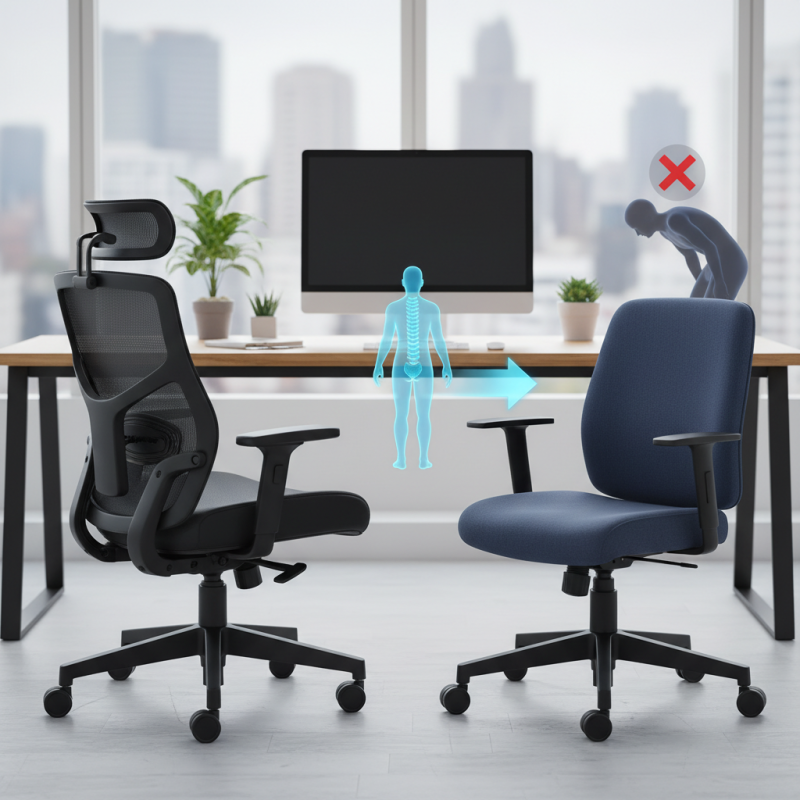
How to Choose Between Ergonomic and Standard Office Chairs?

Understanding the Basics of Ergonomic and Standard Office Chairs

When it comes to office chairs, understanding the differences is crucial. Ergonomic chairs are designed for comfort and support. They promote good posture and reduce strain on your body. Features often include adjustable seat heights, lumbar support, and seat depth modifications. These elements can cater to individual needs.

Standard office chairs tend to focus more on simplicity and cost-effectiveness. While they often lack extensive adjustability, they can still be functional. Many people choose them for their straightforward design. However, this choice may lead to discomfort after extended use. A standard chair might not provide the necessary support for long hours.

It's essential to reflect on your workspace habits. Do you spend most of your day sitting? If so, investing in an ergonomic chair could benefit your long-term health. If your tasks are more transient, a standard chair may suffice. Weighing the pros and cons of both types can help you make the right choice.

Identifying Your Specific Needs and Work Style Preferences

Choosing between ergonomic and standard office chairs can significantly impact your comfort and productivity. Understanding your specific needs is essential. A study by the Occupational Safety and Health Administration (OSHA) found that 60% of office workers report discomfort. This discomfort often leads to decreased focus and efficiency. If you tend to work long hours, an ergonomic chair may better support your body’s natural posture.

Consider your work style preferences. Are you static at your desk for most of the day, or do you frequently move around? For those who stay seated for extended periods, a chair with lumbar support can enhance your comfort. In contrast, a standard chair may suffice if you're more active and take regular breaks. While ergonomic chairs are often pricier, factors like improved posture and reduced pain can justify the investment.

Tips: Pay attention to the materials used in the chair. High-quality fabric or mesh can improve breathability, making long hours more bearable. Test chairs in-person if possible; feel the difference. Make adjustments as needed. Even slight changes in height or back angle can lead to significant comfort improvements.

Comparing Key Features of Ergonomic and Standard Office Chairs

When choosing between ergonomic and standard office chairs, it’s crucial to examine their key features. Ergonomic chairs often come with adjustable elements. These include seat height, lumbar support, and armrest positioning. Such adjustments cater to individual preferences, promoting better posture and reducing strain during long hours of work. Research shows that improved posture can lead to increased productivity and reduced discomfort.

In contrast, standard office chairs are typically less customizable. They might offer basic comfort, but lack the supportive features of ergonomic designs. Many users find these chairs inadequate for extended sitting. Standard options may lead to fatigue and body aches, especially after heavy use. Although they are often more affordable, the long-term health impact can be significant.

It's not just about price or comfort. Ergonomic chairs encourage movement and are designed for those who spend hours at a desk. Yet, some users feel overwhelmed by the numerous choices available. Understanding personal needs is essential when making this decision. Consider how each chair influences your work routine and overall health. The right chair can transform your workspace.

Evaluating the Impact on Health and Comfort Over Time

When considering office chairs, comfort and health are paramount. Ergonomic chairs are designed to support posture, aiming to reduce strain. They feature adjustable elements like armrests and lumbar support. Standard chairs, on the other hand, may lack such adjustments, potentially leading to discomfort. Research shows prolonged use of inadequate seating can result in chronic pain.

Both chair types come with advantages and drawbacks. Ergonomic chairs may improve long-term comfort and productivity. However, they can be pricier and require adjustment time. Standard chairs are often more affordable but might lead to issues over time. A single chair does not suit everyone. Users must evaluate their own body mechanics and work habits.

Tuning into how your chair impacts daily life is crucial. Regular assessments of comfort can help identify emerging issues. Personal experiences vary widely, which makes reflection important. A chair that feels right one day may not fit the next. Prioritizing health often involves trial and error in chair selection.

Making an Informed Decision Based on Budget and Longevity

When considering ergonomic versus standard office chairs, budget and longevity are critical factors. Ergonomic chairs typically cost more upfront. A 2020 report by the American Chiropractic Association showed that investing in ergonomic seating can reduce musculoskeletal issues by up to 60%. This not only improves productivity but may lead to fewer medical expenses over time. If your budget allows, choosing an ergonomic chair could be a savvy long-term investment.

On the other hand, standard chairs are often more affordable. A study from the Bureau of Labor Statistics indicated that employees using standard chairs might experience a 30% higher rate of discomfort. This discomfort can lead to decreased productivity and more sick days. Choosing a chair based merely on initial cost could result in higher expenses down the line due to health issues.

Reflect on your daily routines and needs. Do you spend long hours sitting? Consider the total cost of ownership. Long-lasting comfort is worth the price difference. Prioritizing health over initial savings could change your work experience significantly. Keep longevity in mind when selecting your next office chair.

Comparison of Ergonomic and Standard Office Chairs Based on Budget and Longevity

FAQS

: What are the main features of ergonomic chairs?

: Ergonomic chairs have adjustable seat height, lumbar support, and armrest positioning. These features cater to individual needs.

How do standard office chairs differ from ergonomic ones?

Standard chairs lack customization options. They offer basic comfort, leading to fatigue and discomfort during long hours.

Can ergonomic chairs improve productivity?

Yes, improved posture from ergonomic chairs can increase productivity. They help reduce discomfort caused by long sitting hours.

Are ergonomic chairs worth the investment?

Investing in ergonomic chairs may reduce musculoskeletal issues and medical costs. They often pay off in the long run.

Why is budget a concern when choosing chairs?

While ergonomic chairs cost more upfront, standard chairs might lead to discomfort and higher expenses due to health issues.

Should I consider my daily routine when choosing a chair?

Yes, reflect on how long you sit daily. This can influence your choice and overall comfort with the chair.

What are the downsides of standard office chairs?

Standard chairs often cause discomfort and may lead to fatigue. This can disrupt productivity and increase sick days.

How can I decide between different chair options?

Understand your personal needs and reflect on your work routine. The right chair choice can enhance your workspace significantly.

What role does long-term comfort play in chair selection?

Prioritizing long-term comfort over initial cost may improve your work experience and overall health in the future.

Can the number of ergonomic chair options be overwhelming?

Yes, many users feel overwhelmed by the choices. It's essential to focus on personal preferences when selecting a chair.

Conclusion

When choosing between ergonomic and standard office chairs, it is essential to understand their fundamental differences. Ergonomic chairs are designed to support the body, reduce strain, and promote good posture, while standard chairs often lack these specialized features. What is the difference between ergonomic and standard office chairs? Ergonomic options typically include adjustable components, lumbar support, and materials that enhance comfort over extended use.

Identifying your specific needs and work style is crucial, as it helps in determining which chair type suits you best. Consider how long you sit at your desk and any pre-existing health issues. Comparing key features, such as adjustability and support, reveals how ergonomic chairs may benefit your health and comfort over time compared to standard chairs. Ultimately, your decision should factor in your budget and the long-term value of investing in a chair that meets your needs and promotes a healthier workspace.

Madeline

Madeline

Madeline is a dedicated marketing professional with a wealth of expertise in our company's core offerings. With a keen understanding of the industry, she brings a unique perspective to her role, consistently delivering high-quality content that highlights the superior aspects of our products. As......