Tempered glass has become a preferred choice for modern dining tables. Its sleek appearance enhances any dining space, offering both style and functionality. The question arises: why is tempered glass used in modern dining tables? This material provides several remarkable benefits that cater to contemporary living.
One of the key advantages is its durability. Tempered glass is significantly stronger than regular glass. It can withstand high temperatures and sudden impacts, making it ideal for family settings. Yet, despite its strength, it is essential to recognize that even tempered glass can break under extreme conditions. This consideration is crucial when assessing its suitability for your home.
In addition, tempered glass offers a versatile aesthetic. It can seamlessly integrate into various design themes, from minimalist to industrial. However, the maintenance of glass surfaces can be challenging. Fingerprints and stains may require frequent cleaning, which some homeowners might overlook. Ultimately, understanding both the benefits and shortcomings of tempered glass is vital when selecting the best dining table for your lifestyle.
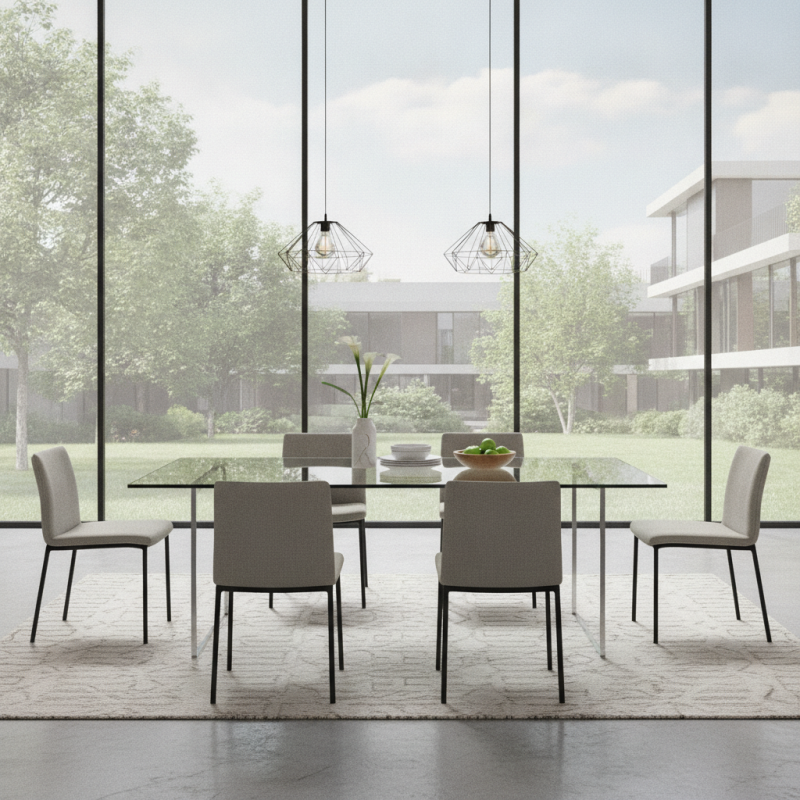
Benefits of Tempered Glass in Modern Dining Table Design
Tempered glass is increasingly popular for modern dining tables. Its strength and durability set it apart from regular glass. The tempering process increases its resistance to heat and impact, making it ideal for daily use. Spills and stains are less of a concern. A simple wipe can restore its shine.
The aesthetic appeal is another significant benefit. Tempered glass offers a sleek, minimalist look. Its transparency allows it to blend seamlessly with various styles. Whether in a contemporary or traditional setting, it enhances the overall ambiance. However, one must be cautious; edges can be sharp. Safety should always be a priority when selecting furniture.
It’s important to consider the maintenance. While tempered glass is easy to clean, it can show fingerprints. Regular upkeep is necessary for optimal appearance. Some users find the reflections distracting in bright rooms. Balancing beauty and practicality can be a challenge. Weighing these factors ensures a thoughtful choice.
Durability and Safety Features of Tempered Glass
Tempered glass is a popular choice for modern dining tables. Its durability is a standout feature. Unlike regular glass, tempered glass is treated to withstand higher temperatures and pressures. This process makes it five to ten times stronger than standard glass. It can resist scratches and impacts, making it an ideal choice for families and busy households.
Safety is another critical aspect of tempered glass. If it does break, it shatters into small, blunt pieces instead of sharp shards. This reduces the risk of serious injury. Many parents appreciate this feature. However, it's essential to ensure proper installation. A poorly mounted table can still pose risks. Regular checks can catch potential issues before they escalate.
Tempered glass also offers aesthetic appeal. Its sleek surface can enhance any dining space. Clear glass allows you to showcase beautiful table settings and centerpieces. However, fingerprints and smudges can be visible. Frequent cleaning is necessary to maintain its clarity. A compatible cleaning solution and a soft cloth can help. This attention to details reflects a commitment to creating a space where safety meets style.
Aesthetic Appeal: How Tempered Glass Enhances Dining Spaces
Tempered glass has become a popular choice for modern dining tables, and for good reason. Its sleek appearance adds a touch of elegance to any dining space. When light reflects off its surface, it creates a vibrant atmosphere. The transparent nature of tempered glass allows you to showcase beneath it, whether it's a stylish table runner or a beautiful set of dishes. This versatility can make a dining area feel larger and more inviting.
In terms of aesthetics, tempered glass pairs well with various materials. It complements wooden or metal bases, offering a contemporary look. The clean lines of glass bring a sense of minimalism while still providing a sophisticated feel. However, some may find the maintenance a challenge. Fingerprints and smudges can be easily visible. Regular cleaning may be necessary to keep the table looking pristine.
Many homeowners appreciate the durability of tempered glass. It withstands daily use without cracking or scratching easily. Still, it's essential to be mindful of its limitations. While it's strong, heavy impacts can cause damage. This awareness might guide choices in furniture placement. Overall, tempered glass can enhance a dining space with its beauty and functionality, but it requires ongoing care to maintain its allure.
Why Choose Tempered Glass for Modern Dining Tables?
Tempered glass offers several advantages that enhance the aesthetic appeal and functionality of modern dining spaces. The following chart illustrates the benefits of tempered glass compared to other materials used in dining tables.
Maintenance and Care Tips for Tempered Glass Tables
Tempered glass dining tables are both stylish and practical. However, proper maintenance is crucial to keep them looking great. Regular cleaning is the first step. Use a soft cloth and a mixture of warm water with mild soap. Avoid abrasive cleaners that can scratch the surface. According to industry reports, over 30% of consumers encounter haze on glass tables due to improper cleaning techniques.
Protecting the glass from heavy impacts is essential. Despite its strength, tempered glass can chip or crack under extreme pressure. Adding coasters is a simple yet effective way to prevent scratches. Many experts recommend using felt pads under trays and decorative objects to avoid damage. Yet, even the best practices won’t prevent all mishaps. Minor scratches may be inevitable. Identifying these early helps in seeking professional repair.
Humidity can affect the stability of the glass. Remember to maintain a balanced environment, especially in kitchens. Research indicates that fluctuations in temperature may lead to stress fractures. Therefore, avoiding extreme heat near the table is important. While tempered glass is robust, managing these small aspects will enhance its longevity. Regularly assessing the condition can provide insights on possible maintenance needs.
Why Choose Tempered Glass for Modern Dining Tables? - Maintenance and Care Tips for Tempered Glass Tables
| Feature |
Benefits |
Maintenance Tips |
| Durability |
Resistant to scratches and impacts |
Use mild soap and water for cleaning |
| Design Versatility |
Fits various interior styles and colors |
Wipe with a microfiber cloth to maintain shine |
| Safety |
Shatters into small, blunt pieces when broken |
Inspect for cracks and chips regularly |
| Heat Resistance |
Withstands high temperatures, ideal for dining |
Avoid placing hot pots directly on the surface |
| Easy to Clean |
Non-porous surface prevents staining |
Use glass cleaner for streak-free shine |
Comparing Tempered Glass with Other Tabletop Materials
Tempered glass has become a popular choice for modern dining tables, and for good reasons. Unlike traditional glass, tempered glass is heat-treated to ensure durability. This process makes it much stronger than regular glass, making it less likely to break under pressure. When compared to wood, for instance, tempered glass offers a sleek aesthetic that can enhance any dining space. It reflects light beautifully, creating an illusion of more space.
Other materials, such as laminate and metal, have their merits but often lack the elegance of glass. Laminate can be prone to scratching and peeling over time. Metal is strong but can feel cold and uninviting. Tempered glass offers a blend of style and functionality. It is easy to clean and maintain, which is a significant advantage for busy households.
However, tempered glass may not be for everyone. While it boasts excellent strength, it can still shatter upon extreme impacts. This is a crucial consideration for families with small children. There’s also a tendency for fingerprints and smudges to show easily. Regular cleaning is essential to keep the table looking pristine. Balancing aesthetics with practicality is vital when choosing the right tabletop material.
FAQS
: Tempered glass is strong, durable, and resistant to heat and impact.
Its sleek appearance and transparency create a vibrant atmosphere and can showcase items beneath.
Regular cleaning is required to remove fingerprints and smudges for the best appearance.
Yes, tempered glass edges can be sharp, so safety should be prioritized during selection.
Tempered glass offers a modern aesthetic and is more durable than wood and less prone to scratching than laminate.
Yes, they are designed to prevent cracking or scratching, but heavy impacts can still cause damage.
It can shatter under extreme impacts, which may be a concern for families with small children.
Awareness of its limitations and potential for damage from heavy impacts is important for furniture placement.
While it looks elegant, maintaining that look requires effort due to visibility of fingerprints.
Yes, it pairs well with wood and metal bases, creating a contemporary look.
Conclusion
Tempered glass has become a popular choice for modern dining tables due to its numerous advantages. One primary reason is its impressive durability and safety features; tempered glass is treated to withstand impacts and thermal stress, making it less prone to breakage. This ensures a safer dining experience, particularly in homes with children or pets. Additionally, tempered glass offers an aesthetic appeal that enhances dining spaces by providing a sleek, contemporary look that complements various interior designs.
Moreover, the maintenance and care of tempered glass tables are relatively straightforward, as they resist stains and are easy to clean. When comparing tempered glass with other tabletop materials, its unique blend of style and functionality stands out. Thus, "Why is tempered glass used in modern dining tables?" can be answered through its combination of durability, safety, visual appeal, and low maintenance requirements, making it an ideal choice for those seeking both elegance and practicality in their dining areas.

 Lullaby Furniture