Choosing the right materials for patio furniture is crucial for durability and aesthetics. Outdoor furniture faces intense weather conditions. Rain, sun, wind, and snow can all take a toll. Selecting weather-resistant materials helps maintain the furniture's appearance and functionality.
Many homeowners wonder, "What are the best materials for weather-resistant patio furniture?" Options like aluminum, teak, and synthetic wicker excel in outdoor settings. These materials resist fading, rust, and water damage. However, not all choices fit every climate or use case. Each material comes with its own strengths and weaknesses.
Consider your region's weather patterns. What works in a rainy area may not work in a dry, sunny climate. Furthermore, the design and comfort of your furniture should not be overlooked. A balance between style and durability is essential. Ultimately, the right material not only protects your investment but enhances your outdoor enjoyment.
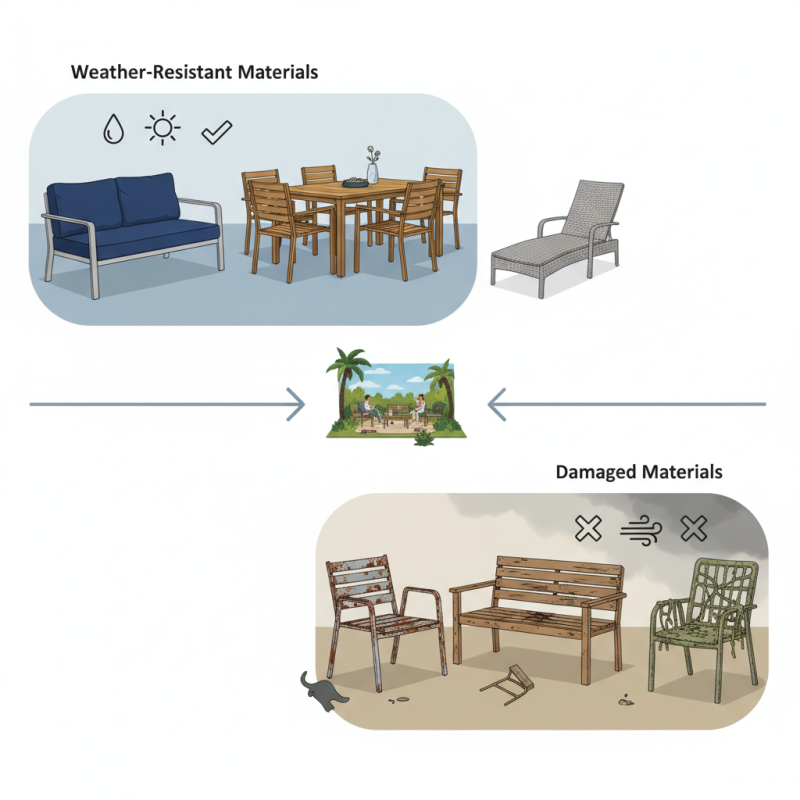
The Importance of Selecting Weather Resistant Materials for Patio Furniture
When selecting patio furniture, the choice of materials is crucial.
Weather-resistant materials can significantly extend the lifespan of your outdoor pieces.
The sun, rain, and humidity can quickly damage furniture made from standard materials. Ideally,
you want your investment to withstand the test of time.
Consider wood, for example. Untreated wood may swell and crack under exposure to moisture.
In contrast, teak wood, which contains natural oils, resists rotting and warping.
Metals, like aluminum, are lightweight and resistant to rust, making them excellent for outdoor settings.
However, not all metals offer the same durability. It's essential to choose high-quality finishes
that prevent corrosion.
Many people overlook the impact of UV rays on outdoor fabric.
Some materials fade quickly, losing their vibrant color. This can make your patio appear worn and uninviting.
Look for fabrics specifically designed for outdoor use. They should resist fading and be easy to clean.
In the end, the little details matter, and investing in the right
materials can transform your outdoor space for years to come.
Understanding the Effects of Weather on Outdoor Furniture Longevity
Choosing the right materials for patio furniture is crucial for longevity. Weather conditions can significantly impact furniture durability. Rain, sun, and humidity contribute to wear and tear. Over time, materials may fade, crack, or become unstable. This can lead to a shortened lifespan and frequent replacements.
When selecting outdoor pieces, consider wood, metal, and synthetic materials. Teak is known for its resistance to moisture. Aluminum is lightweight and rustproof. Synthetic wicker can mimic natural fibers without deteriorating. Remember to check warranties or guarantees offered.
Tips: Always clean your outdoor furniture regularly. Remove dirt and debris to prevent staining. Use protective covers during harsh weather to shield from the elements. Consider bringing lightweight pieces inside during the off-season. Taking these small steps can greatly extend the life of your investment in outdoor furniture.
Common Weather Resistant Materials Used in Patio Furniture
When it comes to outdoor living spaces, choosing weather-resistant materials for patio furniture is essential. These materials can endure the elements, ensuring longevity and comfort. Common materials include aluminum, teak, and synthetic wicker. Each has unique properties that offer protection against sun, rain, and wind.
Aluminum is lightweight yet durable. It resists rust, making it ideal for humid climates. Teak wood, known for its natural oils, withstands moisture and sun without warping. Its rich color and grain add beauty but require occasional maintenance. Synthetic wicker provides a classic look without absorbing water or fading. It is often made from high-density polyethylene, ensuring enduring performance.
While these materials offer great benefits, drawbacks exist. Aluminum may feel cold in winter, impacting comfort. Teak, while beautiful, can be pricey and may require upkeep to maintain its appeal. Synthetic wicker is affordable but may not have the same elegance as natural materials. Weighing these factors is crucial in making informed decisions about patio furniture.
Comparing the Performance of Different Weather Resistant Materials
When selecting patio furniture, material choice plays a critical role. Weather-resistant materials offer durability and enhance outdoor experience. The most common options include aluminum, teak, and synthetic resin. Each material has its pros and cons, influencing longevity and maintenance needs.
Aluminum is lightweight and resistant to rust. It withstands harsh weather, making it ideal for various climates. However, some might find aluminum furniture less comfortable without cushions. Teak wood is renowned for its natural beauty. It can endure rain and sun but requires regular oiling to maintain its luster. Neglecting this can lead to less attractive faded wood. Synthetic resin, often designed to mimic natural materials, is easy to clean and maintain. Yet, it may not have the same charm as wood.
Personal preferences and lifestyles should guide choices. Consider how much time you will spend outdoors. Are you willing to perform regular maintenance on wood? Or do you prefer a low-maintenance option? It's important to test furniture designs for comfort. Experimentation may reveal what works best for your space. Choose wisely, and you'll enjoy your patio year-round.
Why Choosing Weather Resistant Materials for Patio Furniture Matters? - Comparing the Performance of Different Weather Resistant Materials
| Material |
UV Resistance |
Water Resistance |
Durability (Years) |
Maintenance Level |
| Aluminum |
Excellent |
Very Good |
15+ |
Low |
| Teak Wood |
Good |
Good |
20+ |
Moderate |
| Synthetic Resin |
Excellent |
Excellent |
10-15 |
Low |
| Steel |
Fair |
Poor |
5-10 |
High |
| Wicker (All-Weather) |
Good |
Very Good |
7-10 |
Low |
Tips for Maintaining Weather Resistant Patio Furniture for Extended Use
Maintaining weather-resistant patio furniture is essential for durability and comfort. Regular cleaning helps prevent dirt and mold build-up. Use a mild soap solution and a soft cloth. Avoid abrasive materials that can scratch the surface. You can also rinse with water to remove soap residues.
Store furniture indoors during extreme weather conditions. If that's not possible, use protective covers. These shields guard against snow, rain, and harmful UV rays. It's crucial to check for any signs of wear. Inspect joints and frames for any damage. Address issues early to prevent bigger problems later.
For wooden furniture, periodic oiling will maintain its luster. Metal pieces may need rust protection. A periodic touch-up of paint can keep them looking fresh. Pay attention to the small details, as neglect may lead to significant decay. Knowing these maintenance tips can extend the life of your furniture.
FAQS
: Material selection determines furniture longevity and resistance to weathering. It greatly impacts the lifespan of outdoor pieces.
Rain, sun, and humidity can lead to fading, cracking, or instability over time. This shortens furniture lifespan.
Common materials include aluminum, teak, and synthetic wicker. Each offers unique protective properties against outdoor elements.
Aluminum is lightweight and rust-resistant, ideal for humid areas. It is durable and requires little maintenance.
Teak contains natural oils that resist moisture and sun exposure. It also has a rich appearance, adding beauty to spaces.
Synthetic wicker mimics natural fibers without fading or water absorption. However, it may lack the elegance of real materials.
Regular cleaning is essential. Remove dirt often, and use protective covers when not in use or during harsh weather.
Aluminum can feel cold in winter. Teak is expensive and needs upkeep. Synthetic wicker may not suit everyone’s taste.
Check warranties or guarantees. Choose high-quality materials to ensure durability and long-term satisfaction with your investment.
Yes, for off-season storage or during bad weather. It protects furniture and extends its lifespan significantly.
Conclusion
Choosing weather-resistant materials for patio furniture is crucial for enhancing longevity and maintaining aesthetics. Outdoor furniture is constantly exposed to varying weather conditions such as rain, sun, and humidity, which can significantly impact its durability. By selecting appropriate materials, homeowners can ensure that their furniture withstands these elements and remains safe for use over time.
Common weather-resistant materials include aluminum, teak, and synthetic resins, each offering unique advantages in terms of durability and maintenance. When it comes to the question of "What are the best materials for weather-resistant patio furniture?" it often depends on specific factors such as climate, usage, and personal style preferences. Additionally, regular maintenance can further extend the lifespan of patio furniture, ensuring it remains functional and visually appealing for years to come.

 Lullaby Furniture