Upholstered furniture adds comfort and elegance to our homes. However, it also requires proper cleaning and maintenance. According to industry reports, around 70% of homeowners overlook regular upkeep, leading to accelerated wear and tear. This negligence results in a shorter lifespan for their beloved furniture. Therefore, understanding "how to clean and maintain upholstered furniture at home?" is crucial for both aesthetics and longevity.
Cleaning upholstery is not just about appearance; it directly impacts health. Studies indicate that upholstery can harbor dust mites, allergens, and even bacteria. Regular maintenance helps reduce these risks, ensuring a healthier living environment. Yet, many fail to recognize the importance of using the right products. Improper cleaning techniques can damage fabrics, leaving behind stains or fading colors.
While professional cleaning services are an option, they aren’t always necessary. Simple techniques can be applied at home. Homeowners often underestimate their ability to care for their furniture. With the right knowledge and tools, maintaining upholstered pieces becomes more manageable. Balancing ease and effectiveness is key in this process, allowing everyone to enjoy the benefits of clean, maintained furniture.
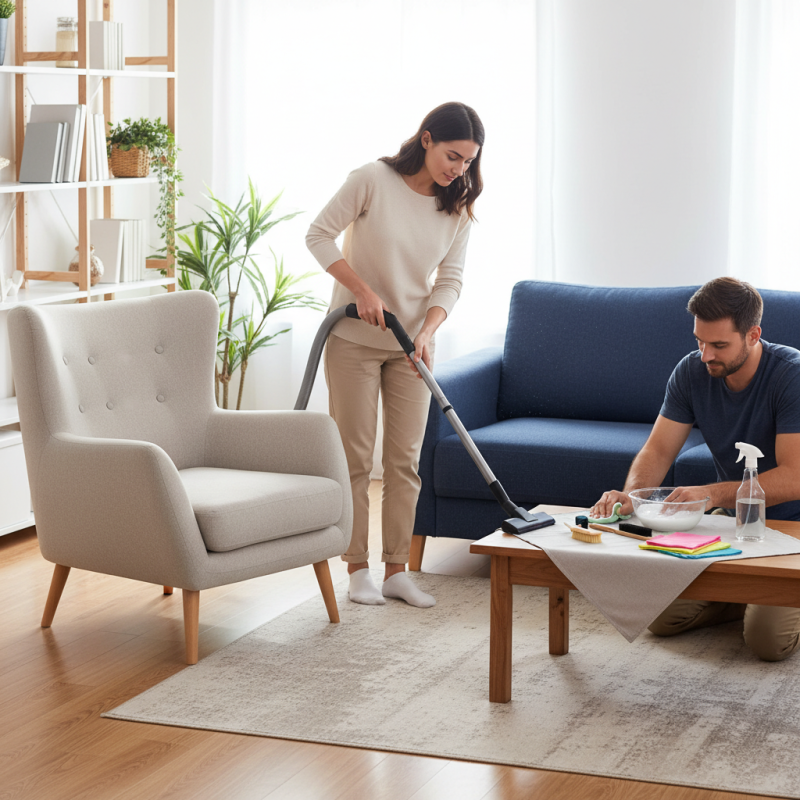
Understanding Different Fabric Types in Upholstered Furniture
Upholstered furniture enhances home comfort and style. Understanding fabric types is essential for proper care. There are several common fabrics, each with unique properties.
For example, cotton is breathable but prone to stains. According to industry reports, over 30% of fabric-related issues stem from improper cleaning. Polyester offers durability but can attract lint and pet hair, making regular maintenance crucial. Natural fibers, like wool, require special care to prevent fading and wear.
Cleaning methods vary significantly by fabric type. For velvet and silk, gentle cleaning agents are recommended. Harsh chemicals can damage delicate fibers. A study revealed that less than 20% of homeowners use correct cleaning techniques. This lack of knowledge can lead to dullness and reduced longevity. Even experienced homeowners often overlook these details, reflecting the need for better education in furniture upkeep.
Essential Tools and Supplies for Cleaning Upholstered Furniture
Cleaning upholstered furniture requires specific tools and supplies to ensure effectiveness and safety. A vacuum cleaner with upholstery attachments is essential. This helps remove dirt and dust from fabric surfaces. According to the American Cleaning Institute, regular vacuuming can eliminate up to 80% of dust and allergens. A soft brush attachment is ideal for delicate fabrics, ensuring a gentle clean.
Stain removers are crucial for tackling spills and marks. Look for enzymatic cleaners that break down stains effectively. These are particularly useful for food or pet-related mishaps. The Environmental Protection Agency emphasizes using safer cleaning agents to minimize indoor air pollution. Microfiber cloths are also vital; they are highly absorbent and reduce the risk of scratching the fabric. Some fabrics may require specific care, so understanding the cleaning codes is important.
In some cases, you may need a steam cleaner. This can deeply penetrate fibers, eliminating bacteria and allergens. Additionally, using a fabric protector can prevent future stains from setting in. Remember, over-cleaning can lead to wear. It’s essential to strike a balance between maintaining cleanliness and prolonging the life of your furniture. Regular maintenance will keep your upholstered pieces looking fresh. Always test any cleaning solution on a small, inconspicuous area first to avoid damage.
Step-by-Step Cleaning Process for Upholstered Furniture at Home
Cleaning upholstered furniture can seem daunting. However, with the right steps, it becomes manageable. Start by vacuuming the surface to remove loose dirt and debris. Use the upholstery attachment on your vacuum for corners and crevices. Pay attention to areas that are frequently used. Stains should be treated promptly to prevent set-in marks. Blot spills with a clean cloth instead of rubbing.
Tips: Always check the care label. It provides guidance on cleaning methods and solutions suitable for your fabric type. For water-resistant fabrics, mild soap and water can work wonders. For delicate materials, consider spot cleaning with a professional upholstery cleaner.
Next, consider using a homemade solution for deeper cleaning. Mix equal parts of water and white vinegar in a spray bottle. Lightly mist the fabric, avoiding saturation. Then, use a soft brush to gently scrub the fabric. Rinse the brush in clean water regularly to avoid spreading dirt.
Tips: Test any cleaning solution on an inconspicuous area first. This helps prevent discoloration or damage. Allow the furniture to air dry completely. Patience is key—wet upholstery can attract dirt more easily if not dried properly.
How to Clean and Maintain Upholstered Furniture at Home? - Step-by-Step Cleaning Process for Upholstered Furniture at Home
| Step |
Action |
Tools Needed |
Frequency |
| 1 |
Vacuum the upholstery |
Vacuum cleaner with upholstery attachment |
Weekly |
| 2 |
Spot clean stains |
Fabric cleaner, cloth |
As needed |
| 3 |
Use upholstery shampoo |
Upholstery shampoo, scrub brush |
Monthly |
| 4 |
Check for damage and seams |
N/A |
Quarterly |
| 5 |
Deodorize the upholstery |
Baking soda |
Every few months |
| 6 |
Rotate cushions |
N/A |
Monthly |
Tips for Maintaining Upholstered Furniture to Prevent Wear and Tear
Maintaining upholstered furniture is essential to prevent wear and tear. Regular
vacuuming helps remove dust and debris that can cause fabric damage over time. Consider using
the upholstery attachment on your vacuum. It's effective in reaching crevices and corners. Spot
cleaning is crucial for addressing stains promptly. Use a soft cloth and gentle cleaner
to avoid fabric damage.
Protection is another key aspect. Applying a fabric protector can help repel spills and stains.
Be sure to test it on a small hidden area first. It's a safety net, but it won’t eliminate the
need for routine cleaning. Rotating cushions regularly helps distribute wear evenly. This
simple step prevents uneven fading and extends the life of your furniture.
Pay attention to sunlight exposure. Direct sunlight can fade fabrics quickly. If
your furniture is near a window, consider using curtains or UV-blocking films. Remember, even
the most durable fabric can wear out. Check for loose seams or frayed edges regularly.
Repairing small issues can prevent larger problems. It’s critical to stay ahead of potential
damage.
Common Stains and How to Remove Them from Upholstered Surfaces
Upholstered furniture is prone to various stains, making regular care essential. Common culprits include food spills, pet accidents, and everyday dirt. According to a report by the American Cleaning Institute, nearly 75% of households encounter some kind of furniture stain every year. It's crucial to act quickly to prevent permanent damage.
For food stains, a mix of mild dish soap and water works wonders. Blot the stain gently, avoiding vigorous rubbing that can damage fibers. For ink stains, rubbing alcohol can be effective when applied with care. Use a clean cloth and dab rather than wipe. The fabric may not always respond as expected, requiring multiple attempts or professional help.
Pet stains can be particularly stubborn. The residue may lead to unpleasant odors if not treated promptly. An enzymatic cleaner can break down the organic matter, but they may not fully remove discoloration. Regular vacuuming, as highlighted by upholstery care experts, also keeps dirt at bay. Remember, not all fabrics are created equal. Test cleaners on inconspicuous areas first. Each piece of furniture requires tailored care to enhance its lifespan.
FAQS
: Regular vacuuming is essential. Aim for at least once a week. This helps remove dust and debris.
Use a soft cloth and a gentle cleaner. Avoid harsh chemicals to prevent fabric damage.
Applying a fabric protector can repel spills. Always test it on a hidden area first.
Use curtains or UV-blocking films to reduce sunlight exposure. This helps prevent fabric fading.
Check for loose seams regularly. Repairing them early can prevent larger issues down the line.
Use an enzymatic cleaner to treat pet stains. They can help neutralize odors and break down residues.
Rubbing alcohol may work for ink stains. Dab it with a clean cloth; avoid rubbing too hard.
Yes, the fabric may not respond as expected. Be prepared for multiple attempts or seeking professional help.
Rotate your cushions regularly. This helps distribute wear and prevents uneven fading over time.
Each piece may need tailored care. Always test cleaners in inconspicuous areas before full application.
Conclusion
In the article titled "How to Clean and Maintain Upholstered Furniture at Home?", various essential aspects of upholstery care are explored. It begins with an understanding of the different fabric types commonly used in upholstered furniture, which is crucial for selecting the right cleaning methods. The piece highlights the essential tools and supplies necessary for effective cleaning, ensuring readers are well-prepared for the task.
The article provides a detailed step-by-step cleaning process, guiding homeowners through the proper techniques to refresh their furniture. Additionally, it offers valuable tips for ongoing maintenance to prevent wear and tear over time, ultimately extending the life of the upholstered pieces. Lastly, it addresses common stains and provides effective solutions for removal, making it a comprehensive resource for anyone looking to enhance their home’s furnishings while knowing how to clean and maintain upholstered furniture at home.

 Lullaby Furniture