In the hospitality industry, fire safety is a critical concern that directly impacts guest safety and property protection. According to the National Fire Protection Association (NFPA), hospitality establishments accounted for over 5,000 reported fires in recent years, highlighting a pressing need for robust safety measures. This raises an essential question: What are the fire safety standards for hospitality furniture?
Selecting furniture that meets fire safety standards is vital in mitigating risks. The National Fire Protection Association outlines regulations that furniture must adhere to, such as flammability tests and flame-retardant materials. Many guests may not consider how their surroundings contribute to fire safety. However, incidents involving non-compliant furniture can lead to tragic consequences. Awareness of these standards is not just a regulatory requirement; it is a moral responsibility.
As hospitality providers strive for excellence, ensuring compliance with these standards is paramount. Not all furniture is created equal, and understanding the nuances of fire safety can be challenging. It involves regular audits and staying informed on evolving standards. Being proactive in selecting compliant furniture can establish a safer environment, elevating overall guest experience while reducing liability risks.
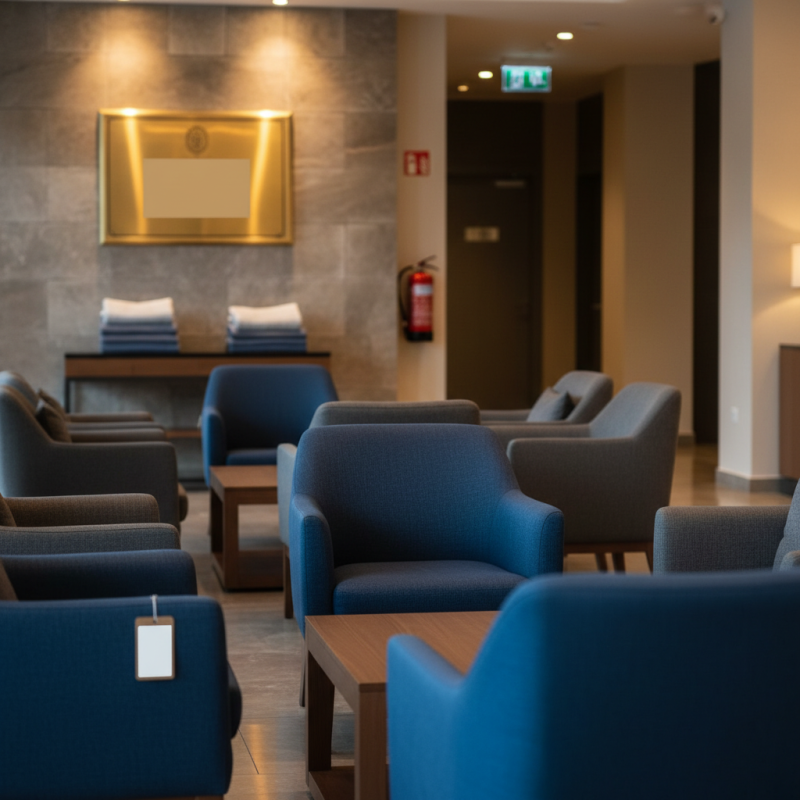
Understanding the Importance of Fire Safety Standards in Hospitality Furniture
Fire safety standards play a crucial role in hospitality furniture. They protect lives and property, ensuring a safe environment for guests and staff. Understanding these standards is essential for any establishment, from hotels to restaurants. Every piece of furniture must meet specific flammability regulations. This minimizes the risk of fire-related incidents.
When selecting furniture, look for materials classified as fire-resistant. Upholstery should ideally comply with rigorous safety tests. Foam cushions often need inherent fire-retardant properties. Awareness of local codes is vital too; different regions may have varying standards. Some materials may pass in one area but not in another.
However, it’s not enough to just meet regulations. Regular inspections and updates are necessary. Wear and tear can compromise safety features over time. It’s also important to train staff on fire safety protocols. Consider a proactive approach to fire safety.
Regularly review your furniture choices and stay updated on safety advancements. Fire safety should be an ongoing commitment, not a one-time checklist.
Key Industry Regulations: NFPA, ASTM, and ISO Standards Explained
When selecting furniture for hospitality settings, understanding fire safety standards is crucial. The National Fire Protection Association (NFPA) sets key regulations that govern flame resistance in materials used in hotels and restaurants. For example, NFPA 701 outlines testing methods for flammability, which helps ensure that fabrics meet stringent safety criteria. Recent reports indicate that over 60% of hotel fires start from upholstered furniture. Thus, compliance with these standards is not merely advisable; it is essential.
The American Society for Testing and Materials (ASTM) also plays a critical role. ASTM F 2897 provides specifications for fire performance of upholstered furniture. Adhering to these specifications can significantly reduce the potential for fire-related hazards. Many establishments, however, overlook the importance of regular compliance checks. This can lead to discrepancies in safety measures.
Additionally, International Organization for Standardization (ISO) standards, such as ISO 11925, provide global benchmarks for assessing ignitability. These standards ensure that furniture is not just reactive but proactive in fire safety. Some studies emphasize that many hospitality businesses fail to regularly update their safety protocols. As such, there is a pressing need for frequent evaluations to ensure ongoing compliance with evolving regulations.
Material Properties: Evaluating Fabrics and Finishes for Fire Resistance
Evaluating fabrics and finishes for fire resistance is crucial in hospitality settings. It goes beyond mere compliance; it impacts guest safety and property protection. Different materials respond uniquely to heat and flames. Natural fibers, like cotton, can ignite swiftly without proper treatment. Synthetic fabrics may offer better resistance but have their own challenges.
When selecting materials, consider the fire ratings. They indicate how long a fabric can tolerate flames. For upholstery, look for materials treated with flame-retardant finishes. These finishes can significantly increase safety but may wear off over time. Regular inspection is essential to ensure ongoing effectiveness.
The aesthetics of furniture are important, but safety must take precedence. Sometimes, beautiful fabrics do not meet safety standards. Designers often face the dilemma of balancing style with fire safety. It’s a complex process, requiring informed choices. Not all attractive materials are safe, and this can lead to uncomfortable decisions. Adopting a holistic approach to material selection helps mitigate risks and enhance safety in hospitality environments.
How to Determine Fire Safety Standards for Hospitality Furniture? - Material Properties: Evaluating Fabrics and Finishes for Fire Resistance
| Material Type |
Fire Resistance Rating |
Flammability Test Standard |
Common Applications |
Care Instructions |
| Polyester |
Class 1 (UK), C (Europe) |
BS 5852, EN 1021 |
Upholstery, Curtains |
Spot clean, avoid bleach |
| Leather |
Class 1 (UK), B (Europe) |
BS 5852, EN 1021 |
Chairs, Sofas |
Wipe clean, use leather conditioner |
| Cotton |
Class 2 (UK) |
BS 5852 |
Bedding, Curtains |
Machine wash, tumble dry low |
| Treated Wool |
Class 1 (UK), B (Europe) |
BS 5852, EN 1021 |
Carpets, Upholstery |
Vacuum regularly, do not bleach |
| Vinyl |
Class 1 (UK), C (Europe) |
BS 5852, EN 1021 |
Wall coverings, Upholstery |
Wipe clean, avoid abrasive cleaners |
Testing Methods: ASTM E84 and NFPA 701 Fire Testing Procedures
When it comes to fire safety in hospitality settings, it’s essential to ensure furniture meets established standards. Among the most recognized are ASTM E84 and NFPA 701 testing methods. ASTM E84 evaluates the surface burning characteristics of building materials. It measures flame spread and smoke development, often referred to as the “Tunnel Test.” The results help determine how quickly flames can spread, which is vital in emergency situations.
NFPA 701 focuses on the flammability of textiles. This standard offers a set of rigorous test methods for assessing fabric response to ignition. In fact, studies show that about 25% of fires in commercial buildings are caused by flammable materials like draperies and upholstery. Hence, knowing these standards can dramatically reduce fire risk in hotels, restaurants, and event venues.
Data from the National Fire Protection Association indicates that nearly 29,000 fires occur annually in hotels. The responsibility lies with manufacturers and designers to adhere to these standards. Yet, continuous updates in fire safety regulations can often leave stakeholders uncertain about compliance. Therefore, staying informed is key. Regular reviews of testing protocols and open discussions about evolving standards are necessary to ensure safety remains a priority.
Fire Safety Standards for Hospitality Furniture - Testing Results
Implementing Compliance: Strategies for Hospitality Businesses to Meet Standards
When it comes to hospitality furniture, fire safety standards are critical. Implementing compliance can be a challenge, yet it's essential for protecting guests and staff. Here are a few strategies that can help businesses meet these standards effectively.
One valuable tip is to conduct a thorough risk assessment. Evaluate all areas where furniture is used. Identify potential fire hazards, such as upholstery materials and nearby appliances. Keep in mind that even seemingly minor details can make a difference in safety. For example, selecting upholstery with a high fire-retardant rating can lower risks significantly.
Training staff is another crucial step. Ensure that employees understand the importance of fire safety and recognize the furniture compliance requirements. Regular workshops can reinforce knowledge. Encourage a culture of safety awareness. Remember, gaps in understanding can lead to vulnerabilities.
Regular inspections are vital for ongoing compliance. Review your furniture periodically to ensure it meets current fire safety standards. Maintenance checks should be part of this routine. If issues arise, address them immediately. It’s important to acknowledge that complacency can pose risks. Stay vigilant and proactive to ensure a safe environment for everyone.
Conclusion
Fire safety standards for hospitality furniture are crucial for ensuring the safety of guests and staff in various establishments. Understanding the importance of these standards involves familiarity with key industry regulations such as NFPA, ASTM, and ISO. These standards outline the required fire resistance properties of materials used in furniture, guiding manufacturers in selecting appropriate fabrics and finishes.
To ensure compliance, businesses must implement effective strategies that include utilizing recognized testing methods like ASTM E84 and NFPA 701. These tests assess the flame spread and ignition resistance of materials, providing essential data for maintaining safety. Ultimately, knowing what the fire safety standards for hospitality furniture are helps businesses protect their investments and create a safer environment for all.

 Lullaby Furniture