The upcoming 2026 Canton Fair presents key insights into the evolving trends of the "Library Bookshelf" sector for global buyers. As reported by industry expert Susan Lim, "Innovation in library shelving systems will shape the future of educational spaces.” This highlights the urgency for businesses to adapt to emerging technologies and consumer preferences.
With 1.55 million square meters of exhibition space, the event introduces AI-driven search and smart navigation. These features allow buyers to efficiently find suppliers that meet specific qualifications, like ISO and CE certifications. The fair will amplify connections in the "Library Bookshelf" market, emphasizing functionality and design.
Analyzing current reports indicates that sustainable materials and modular designs are gaining traction. These trends reflect a shift towards environmentally-conscious purchasing. As the industry evolves, there is a need for reflection on balancing traditional designs with modern innovations. The challenge lies in understanding how these changes will impact library environments and accessibility.
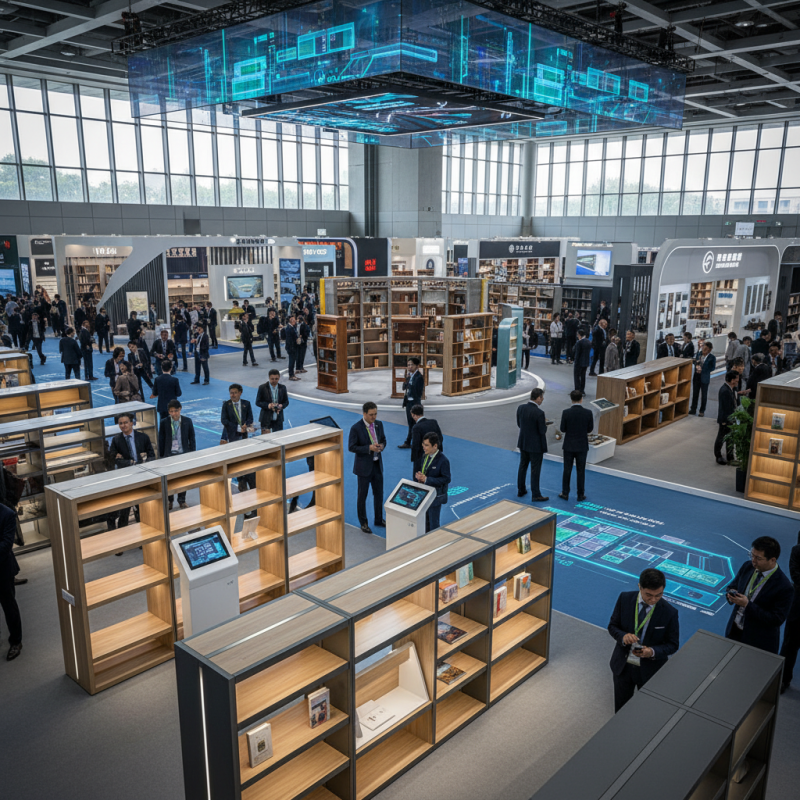
The 2026 Canton Fair is expected to showcase innovative library bookshelf designs that cater to global buyer needs. Emerging trends reflect a shift towards sustainability and functionality. Many new designs incorporate eco-friendly materials. These materials not only appeal to environmentally conscious consumers but also provide unique aesthetic qualities.
Curved and modular bookshelves are gaining popularity. They offer flexibility that traditional designs lack. Modularity allows for customized configurations in diverse spaces. Many designs incorporate smart lighting, enhancing the ambiance of reading areas. This integration fosters a pleasant atmosphere for book lovers.
However, some trends may face challenges. The balance between aesthetics and usability remains a key concern. Some designs might prioritize look over practicality. Buyers must critically assess these features. It’s essential to consider how well these shelves serve their intended purpose. Each design should not only stand out visually but also meet everyday library needs efficiently.
As the 2026 Canton Fair approaches, global buyers are eager to explore innovative trends in library furnishings. Sustainable materials are taking center stage. Manufacturers are increasingly opting for reclaimed wood, bamboo, and recycled plastics in their designs. These materials not only reduce carbon footprints but also enhance the aesthetic of library spaces. Imagine bookshelves made of warm, natural wood, inviting patrons to explore their contents.
However, there are challenges. Not all sustainable materials meet durability standards. Some eco-friendly options may wear out faster than traditional materials. Buyers must scrutinize product specifications carefully. Additionally, sourcing sustainable materials can lead to higher costs. This is a significant concern for many libraries operating with limited budgets.
Eco-friendly solutions extend beyond materials. Innovative design trends invite flexibility and adaptability in library spaces. Modular furniture is gaining traction, catering to diverse user needs. Yet, buyers should question the availability of these solutions. Are they truly versatile? Or just a marketing gimmick? Engaging in thoughtful discussions at the fair may reveal the balance between sustainability and practicality.
The upcoming 2026 Canton Fair showcases a pivotal shift in bookshelf displays. Innovative technology is at the forefront. Smart shelving systems are emerging, utilizing sensors and interactive features to engage readers. Imagine a bookshelf that highlights titles based on user preferences. Such personalization can transform the browsing experience significantly.
Augmented reality (AR) is also gaining traction. Visitors could use their devices to visualize books on virtual shelves. This blurs the lines between physical and digital spaces, creating an immersive shopping atmosphere. However, not all aspects are flawless. Integration can be complex and may confuse some users. There’s a learning curve with these technologies that could deter traditional buyers.
Sustainability is another focus. Bookshelf materials are evolving. Eco-friendly options are essential, but they often come at a higher cost. This presents a challenge for global buyers seeking affordability. Balancing innovation with practicality can be tricky. As the fair approaches, these trends highlight the need for continuous reflection on how technology shapes our interaction with books.
As the 2026 Canton Fair approaches, global buyers are likely to see evolving cultural trends that shape library bookshelf aesthetics. Bookshelves today are no longer just functional. They reflect personal taste and trends in design. The rise of minimalism, for example, has led to simpler, cleaner lines. Many shoppers prefer open shelving that showcases curated collections. This trend invites creativity but also creates challenges. How to keep the shelves organized while making them visually appealing?
Another noteworthy trend is the blending of technology and tradition. Smartbookshelves are emerging, integrating LED lights and digital displays. This fusion can make an ordinary bookshelf an interactive experience. However, it raises questions about the balance between digital and physical reading. Are we losing the charm of printed books? These shifts create spaces that feel modern yet nostalgic. Buyers must navigate their preferences carefully.
Cultural influences are visible in colors and materials too. Earth tones and sustainable materials are gaining popularity. They evoke a sense of warmth and connection with nature. On the flip side, trends also reflect shifting societal values. What does this mean for library spaces? Creating a welcoming atmosphere is crucial. It may require a rethink of aesthetic choices amidst changing needs. Embracing these trends is an evolving process, inviting reflection and adaptation.
The 2026 Canton Fair is poised to showcase exciting trends in library solutions. Global buyers are increasingly focused on consumer preferences. They seek comfortable, efficient, and modern library furnishings. Space-saving designs are particularly appealing. As libraries evolve, so do the demands for versatile shelving options.
Tips: Consider the layout of your library. Efficient use of space enhances accessibility. Adjustable shelving systems can cater to diverse collections.
Technology integration is another key trend. Buyers want solutions that incorporate digital elements. Smart bookshelves that track book usage are gaining attention. These innovations provide valuable data for library management. Buyers also show interest in sustainable materials. Eco-friendly products are becoming more desirable.
Tips: Research eco-friendly options before selecting products. Encourage your community to embrace sustainability. It goes hand in hand with modern library needs.
: Reclaimed wood, bamboo, and recycled plastics are increasingly popular for library furniture.
Not all sustainable materials meet durability requirements. Some may wear out faster than traditional options.
Sourcing sustainable materials often leads to higher costs, impacting budgets for many libraries.
Smart shelving systems with sensors and interactive features are emerging, enhancing user engagement.
AR allows users to visualize books on virtual shelves, merging physical and digital spaces.
Buyers should assess if modular furniture is genuinely versatile or just a marketing tactic.
Yes, the complexity of new technologies may confuse some users, presenting a learning curve.
Sustainability is crucial, but eco-friendly materials can be more expensive to implement.
Buyers should continuously evaluate how technology affects book interaction and library spaces.
Finding a balance can be tricky; some innovations may not fit every user's needs effectively.
The 2026 Canton Fair showcased a variety of emerging trends in Library Bookshelf designs, reflecting a shift towards innovative and sustainable solutions. Attendees noted a growing emphasis on eco-friendly materials, enhancing both the environmental impact and aesthetic appeal of library furniture. This focus on sustainability coincides with cultural trends that influence the aesthetics and functionality of Library Bookshelf displays, catering to diverse user needs and preferences.
Additionally, the integration of innovative technology within bookshelf displays is transforming how libraries engage with patrons. Enhanced interactivity and digital features not only modernize library environments but also respond to market demands for dynamic and adaptable library solutions. Overall, the trends observed at the 2026 Canton Fair highlight a forward-thinking approach to Library Bookshelf design, aligning with global consumer preferences for sustainability and innovation.

Lullaby Furniture