Why Does My Outdoor Furniture Fade in the Sun?

Time:2026-07-18 Author:Sienna
0%

Outdoor furniture is a beloved addition to many homes, providing comfort and style to gardens and patios. However, a common issue homeowners face is fading due to sun exposure. This raises the question: "Why is my outdoor furniture fading in the sun?" Research indicates that UV rays can significantly degrade materials, impacting aesthetics and longevity.

According to a 2021 report by the American Society for Testing and Materials (ASTM), UV radiation can cause color fading within just a few months of outdoor use. Fabrics, plastics, and even metals are susceptible to this damage. For example, some synthetic fibers lose up to 50% of their color vibrancy due to prolonged sun exposure.

It’s essential to consider the materials used in outdoor furniture. Not all are created equal. Even high-quality pieces can suffer under intense sunlight. Some may require additional care or protective measures. Reflecting on your choices can lead to better-maintained outdoor spaces. Embracing knowledge about UV exposure could ultimately enhance the lifespan of your furniture.
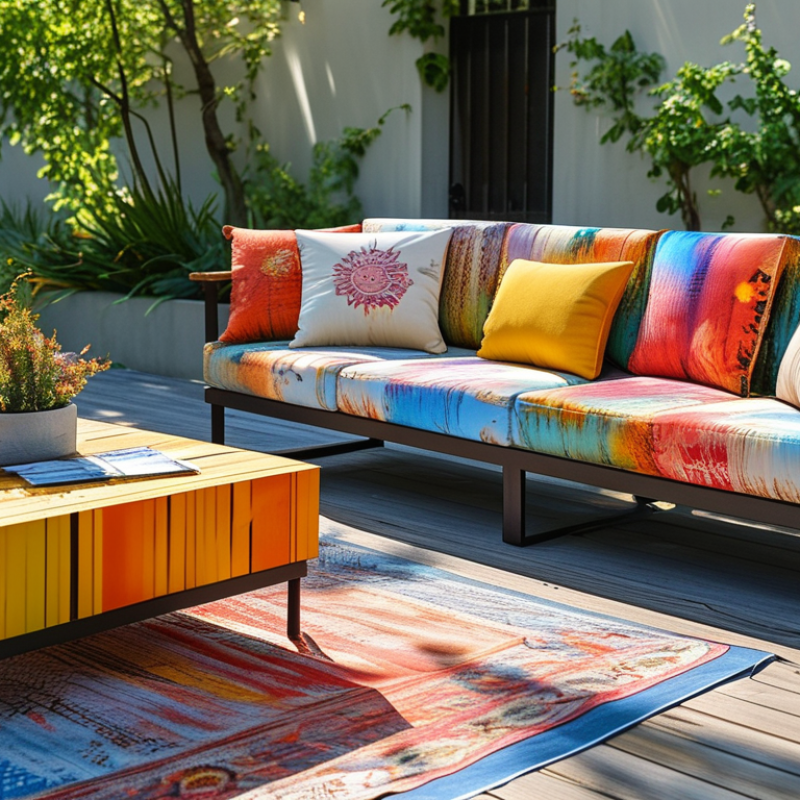
Why Does My Outdoor Furniture Fade in the Sun?

Understanding the Effects of Sun Exposure on Outdoor Furniture

Sun exposure significantly affects outdoor furniture, causing fading and deterioration over time. UV radiation from sunlight breaks down the color pigments in materials like wood, plastic, and fabric. According to the American Society for Testing and Materials (ASTM), prolonged exposure to sunlight can reduce colorfastness by up to 50%. This means that furniture can lose its vibrant colors much faster than many people anticipate.

Additionally, the temperature changes caused by sunlight can cause materials to expand and contract. This stress can lead to cracks and other physical damage. A study from the Outdoor Furniture Manufacturers Association (OFMA) highlights that around 70% of outdoor furniture users report color fading within the first two years of use. Such statistics emphasize the harsh reality of maintaining outdoor pieces.

Investing in protective measures, like covers or UV-resistant coatings, could slow down the fading process. However, many may not consider these options until it's too late. Understanding the effects of the sun can encourage better care and perhaps a shift in purchasing decisions. Protecting outdoor furniture is not just a maintenance task; it's a necessity for longevity.

Common Materials Used in Outdoor Furniture and Their Fade Resistance

When it comes to outdoor furniture, the choice of materials significantly impacts fade resistance. Popular materials include aluminum, plastic, and wood, each with unique properties. According to a report from the American Society for Testing and Materials (ASTM), aluminum is known for its high resistance to fading. It can withstand UV rays without significantly losing color. However, it may not be as comfortable as other materials.

On the other hand, plastic furniture often faces challenges regarding longevity. Many types of plastic are prone to discoloration when exposed to sunlight. The UV stabilizers used can extend their lifespan, but they still fade over time. In fact, a study by the National Center for Industrial Design and Automation indicated that untreated plastics can lose up to 30% of their original color in just a summer season of sun exposure.

Wood is another favorite for its natural aesthetic. However, its fade resistance varies. Teak and cedar are more resilient to sunlight than softer woods. But even the best woods require maintenance. They can crack and lose vibrancy if left untreated. According to a survey by the Outdoor Furniture Manufacturers Association, 60% of consumers say they wish they had better guidance on caring for their wooden furniture. Fading is a common issue, and many do not realize the effort needed to maintain the original look.

Factors That Influence Fading: UV Radiation and Weather Conditions

Outdoor furniture often suffers from fading due to various environmental factors. One of the primary culprits is UV radiation from the sun. When furniture is exposed to direct sunlight, UV rays can break down chemical bonds in materials. This process leads to dull colors and a worn appearance. The intensity of sunlight can vary throughout the year, further influencing how quickly fading occurs.

Weather conditions also play a significant role. Rain, humidity, and temperature fluctuations can affect the finish of outdoor furniture. For instance, water can seep into porous materials, causing them to swell and crack. This damage can compound the fading issue. Wind can carry debris that abrasively interacts with surfaces, resulting in more wear.

It’s often easy to underestimate these factors until the damage becomes visible. Regular maintenance, like cleaning and protective coatings, can help. However, it’s important to recognize that some fading may still happen over time, warranting a more thoughtful approach to selection and care. Understanding these influences is crucial for any outdoor space.

Preventative Measures to Reduce Fading in Outdoor Furniture

Outdoor furniture often faces harsh UV rays, leading to fading and wear. Protecting your investment requires understanding how to minimize this damage effectively.

One effective strategy is to choose materials designed to withstand outdoor conditions. Look for furniture made from fade-resistant fabrics or treated woods. These options can endure sun exposure better than traditional materials. Additionally, using furniture covers when not in use adds a barrier against UV light and other weather elements.

Rotating your furniture periodically can also help. Positioning items in the shade during peak sun hours reduces consistent exposure. It’s important to remember that even the best materials can fade over time. Regular maintenance, including cleaning and treating surfaces, can extend the lifespan of your outdoor furniture.

Tips: Consider using a UV protectant spray. This can offer an extra layer of defense against fading. Store cushions indoors during off-seasons; it will preserve their color. Lastly, be mindful of how landscaping can create natural shade, providing a respite from the sun.

Impact of UV Exposure on Outdoor Furniture Materials

Caring for Your Outdoor Furniture: Maintenance Tips and Solutions

Outdoor furniture is a beautiful addition to any patio or garden. However, prolonged exposure to sunlight can lead to fading. This can diminish the aesthetic appeal of your favorite pieces. To help maintain their vibrant colors, regular care is essential.

One effective tip is to use UV-protective covers when your furniture is not in use. These covers can shield your pieces from harsh sun rays. This simple step can drastically reduce fading. Additionally, consider rearranging your furniture periodically. Shifting the placement can allow different areas to receive sunlight exposure, preventing uneven fading.

Cleaning your furniture regularly also plays a vital role. Dust and dirt can accelerate wear and tear. A simple mixture of mild soap and water can do wonders. Be sure to rinse thoroughly afterward. For fabrics, using a specialized fabric protector can help repel UV rays and resist staining. Remember, caring for your outdoor furniture takes effort, but the reward is worth it.

Why Does My Outdoor Furniture Fade in the Sun? - Caring for Your Outdoor Furniture: Maintenance Tips and Solutions

Material UV Resistance Fading Rate (Years) Maintenance Tips
Wood Moderate 3-5 Apply sealant annually.
Plastic Low 1-3 Use UV-resistant spray.
Aluminum High 5-10 Clean regularly; use polish.
Fabric (Outdoor) Moderate 2-4 Store indoors or use covers.
Wicker Moderate 3-6 Apply protective coating.

FAQS

: What causes outdoor furniture to fade?

: UV radiation from the sun is a major cause of fading. It breaks down chemical bonds in materials.

How does weather affect outdoor furniture?

Rain, humidity, and temperature changes can damage the finish. Water can cause porous materials to swell and crack.

Why is maintaining outdoor furniture important?

Regular maintenance prevents fading and preserves aesthetic appeal. It can extend the life of your furniture.

What simple maintenance can I do?

Use UV-protective covers when not in use. This quickly reduces exposure to harmful sunlight.

How can I clean my outdoor furniture?

A mild soap and water mixture works well. Rinse thoroughly to avoid soap residue damaging the furniture.

Is rearranging furniture beneficial?

Yes, shifting furniture allows even sunlight exposure. This helps prevent uneven fading over time.

Should I use fabric protectors for outdoor furniture?

Yes, fabric protectors repel UV rays and resist stains. They are crucial for maintaining fabric appearance.

Can I completely prevent fading?

No, some fading may still occur over time. Understanding this can help with realistic expectations for care.

Conclusion

The question "Why is my outdoor furniture fading in the sun?" can be attributed to several factors, most notably the effect of UV radiation and weather conditions. Different materials used in outdoor furniture, such as wood, metal, and synthetic fibers, exhibit varying levels of fade resistance. While some materials are better equipped to handle sun exposure, all are susceptible to fading over time due to prolonged sunlight and environmental elements.

To combat fading, it's essential to implement preventative measures such as using covers, applying UV-protective finishes, and positioning furniture in shaded areas when possible. Additionally, regular maintenance, including cleaning and conditioning, can help prolong the aesthetic appeal of outdoor furnishings. By understanding the underlying causes and taking proactive steps, homeowners can significantly reduce the fading of their outdoor furniture.

Sienna

Sienna

Sienna is a skilled marketing professional with a deep expertise in our company’s core products and services. With a passion for innovation and detail, she plays a pivotal role in crafting insightful blog posts that not only highlight the unique features of our offerings but also provide valuable......