How to Prevent Outdoor Furniture from Fading in the Sun?

Time:2026-04-29 Author:Sophia
0%

Outdoor furniture enhances our living spaces, yet many struggle with a common issue: fading due to sun exposure. According to a study by the American Association of Home Furnishings, around 30% of consumers report their outdoor furniture losing color within a year of purchase. This raises the important question: Why is my outdoor furniture fading in the sun?

The ultraviolet (UV) rays from sunlight break down the dyes and materials used in outdoor furniture. Furniture made with lower-quality polymers or fabrics is particularly susceptible. Additionally, prolonged exposure to moisture and heat can accelerate this fading process. A report from the Furniture Institute of America highlights that certain materials, like wicker and untreated wood, are at greater risk for degradation from sunlight.

To mitigate these effects, understanding the underlying reasons for fading is essential. Professional recommendations include using UV-resistant covers, choosing higher-quality materials, and strategically placing your furniture in shaded areas. Identifying these strategies can significantly enhance the longevity of your outdoor assets while maintaining their vibrant appearance.
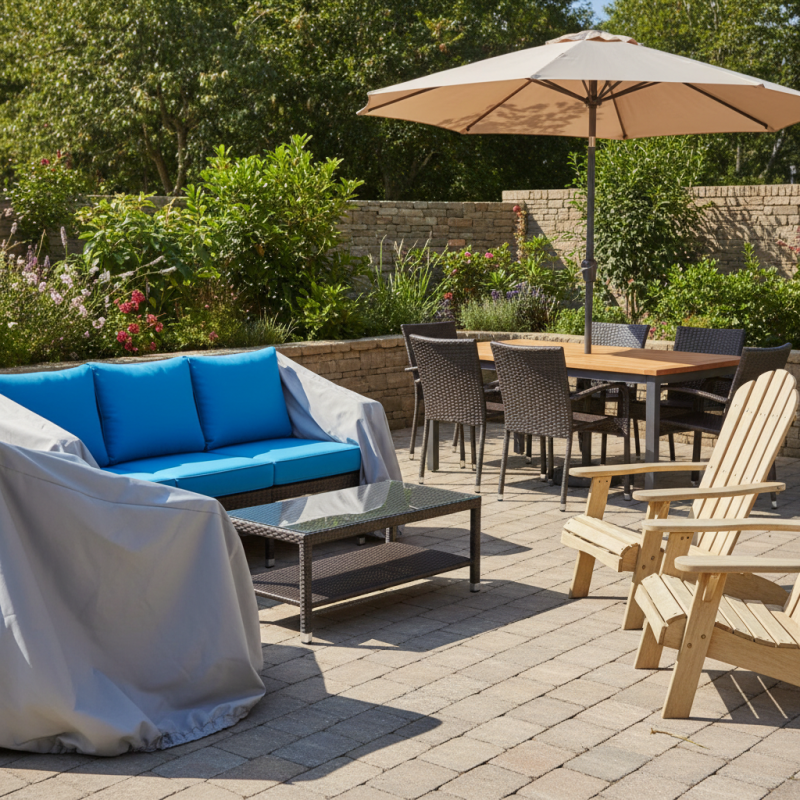
How to Prevent Outdoor Furniture from Fading in the Sun?

Choosing the Right Materials for Outdoor Furniture

When it comes to outdoor furniture, the materials you choose are crucial. Selecting the right materials can significantly impact durability and resistance to fading. For instance, consider aluminum. This metal is lightweight and rust-resistant. It can withstand harsh weather while maintaining its color.

Another option is teak wood. Teak naturally repels water and withstands UV rays. Over time, it can develop a beautiful silver patina. However, some may prefer to apply oil to maintain its original color. Acrylic fabrics are also worth mentioning. These are resistant to mold and fading, making them ideal for outdoor cushions.

Tips:

  • Look for UV-resistant finishes.
  • Always test materials for moisture resistance.
  • Regularly clean furniture to prevent dirt buildup.

Despite the advantages, materials like plastic may fade more quickly under sunlight. They are often less durable and can become brittle. It's essential to reflect on the balance between cost and longevity when making your choice. Think deeply about how each material will perform over time in your specific environment.

Applying Protective Coatings to Prevent Sun Damage

Outdoor furniture can be a significant investment. To protect it from fading in the sun, applying protective coatings is essential. These coatings are designed to act as a barrier against harmful UV rays. They help maintain color and texture over time.

When choosing a protective coating, consider its compatibility with your furniture's material. For wooden furniture, a UV-blocking varnish or oil can seal the surface effectively. Metal furniture may benefit from a rust-resistant spray. Always clean the surface thoroughly before application. This step enhances adhesion and ultimately prolongs the life of the coating.

Remember that no coating lasts forever. Regular maintenance is key. Inspect the furniture periodically for signs of wear. Touch up areas that show fading or damage. A proactive approach allows you to enjoy your outdoor space longer. Protecting your outdoor furniture is an ongoing commitment, not a one-time task.

Using Sunshades and Covers for Enhanced Protection

To protect outdoor furniture from the harsh effects of the sun, consider using sunshades and covers. A properly designed sunshade can block direct sunlight. This can significantly reduce fading and wear on your furniture. Think about placing them strategically. Shade structures can enhance your outdoor experience while preserving your furniture's lifespan.

Covers are another essential element of protection. Investing in high-quality covers that fit snugly can make a difference. They shield your furniture from UV rays when not in use. Remember, not all covers are created equal. Ensure you choose ones made from durable fabrics. Additionally, regular maintenance of covers and sunshades is necessary. Check for tears or fading regularly to keep them effective.

While these protections are useful, they require commitment. It’s easy to forget to put on the covers or adjust sunshades. Schedules might get busy, but a few minutes can save your furniture from serious damage. Reflect on your habits and consider setting reminders. Balancing convenience and care is vital for your outdoor space.

How to Prevent Outdoor Furniture from Fading in the Sun?

Protection Method Material Effectiveness Additional Benefits
Sunshades Fabric (UV resistant) High Reduces heat, provides cooling
Furniture Covers Polyester with PVC backing Medium Water-resistant, dustproof
Awning Canvas or Acrylic High Stylish addition, rain protection
Shade Sails HDPE Fabric High UV protection, versatile design
UV Protectant Sprays Chemical Coating Variable Easy application, renews surface

Regular Cleaning and Maintenance Tips for Longevity

Maintaining outdoor furniture can be challenging, especially with the sun's relentless rays. Regular cleaning and maintenance are crucial for extending the lifespan of these items. The American Society for Testing and Materials (ASTM) reports that UV rays can fade colors and degrade materials over time. Therefore, proactive measures are essential.

One effective tip is to clean your furniture regularly. Use a gentle soap solution and soft cloths to wipe away dirt and grime. According to a 2021 study by the Outdoor Furniture Institute, regular cleaning can reduce the fading process by up to 30%. Additionally, consider using a furniture cover when not in use. This simple practice keeps furniture protected from direct sunlight and harsh weather elements.

Another important aspect is to apply UV protectants. These products can form a barrier against harmful rays. Ensure they are specifically designed for the material of your furniture. Research shows that applying UV protectants can extend the life of outdoor furniture finishes by approximately 25%. While these tips aren’t foolproof, they underscore practical actions every owner can implement to help their outdoor pieces stand the test of time.

How to Prevent Outdoor Furniture from Fading in the Sun

Storing Furniture During Harsh Weather Conditions

Storing outdoor furniture properly during harsh weather is crucial. Protecting your furniture from extreme sun, rain, or snow prolongs its life. When storms approach, consider taking action. Bring your pieces indoors or into a sheltered area. Even a simple garage can work.

If indoor storage isn’t an option, use weatherproof furniture covers. These can safeguard against rain and UV rays. A good cover must fit well. Loose covers can easily blow away or trap moisture inside. Regularly check for mold or damage, as neglect can lead to expensive repairs.

Some people overlook furniture care during seasonal changes. It’s easy to forget minor details. Remember to clean your furniture before storing it. Dust and debris can degrade materials over time. This habit can make a significant difference in your furniture's condition. Additionally, use cushions or pillows that resist moisture. They wear out quickly if not protected. Taking these steps can help you enjoy your outdoor space for many years to come.

FAQS

: What materials are best for outdoor furniture?

: Lightweight aluminum and teak wood are excellent choices. Both offer durability and resistance to weather.

How can I protect outdoor furniture from sun damage?

Applying protective coatings can shield furniture from harmful UV rays and maintain its color over time.

Is it necessary to clean outdoor furniture regularly?

Yes, regular cleaning prevents dirt buildup and prolongs the life of your furniture. Neglect can lead to significant damage.

What should I consider when storing furniture during bad weather?

Indoor storage is ideal, but if unavailable, use well-fitting weatherproof covers to protect against sun, rain, or snow.

How often should I inspect outdoor furniture?

Periodic inspections are essential. Look for signs of wear or fading to maintain its condition longer.

Can I use any coating on my furniture?

No, choose a coating compatible with the material. Wooden and metal pieces may require different sprays or oils.

How does moisture resistance affect outdoor cushions?

Cushions that resist moisture last longer. Without protection, they can wear out quickly, ruining outdoor seating comfort.

Is cost more important than longevity when choosing materials?

It's a balance. Sometimes cheaper materials fade faster, making long-term costs higher due to replacements.

What happens if I neglect furniture care?

Neglecting care can lead to more frequent repairs or early replacements. Consider maintenance an ongoing commitment.

Why is proper furniture cover fit important?

Loose covers can blow away or trap moisture, leading to mold and damage. A snug fit is crucial for effective protection.

Conclusion

To prevent outdoor furniture from fading in the sun, it is essential to start by choosing the right materials that are naturally resistant to UV rays and weather elements. Applying protective coatings can also significantly reduce sun damage, serving as a barrier to harmful UV exposure. Additionally, utilizing sunshades and covers enhances protection, especially during peak sun hours. Regular cleaning and maintenance routines contribute to the longevity of the furniture, ensuring it remains vibrant over time.

Homeowners often wonder, "Why is my outdoor furniture fading in the sun?" This fading can be attributed to prolonged exposure to harsh sunlight, which causes wear on surfaces. To mitigate this, consider storing furniture during extreme weather conditions to preserve its quality and appearance. By following these guidelines, you can maintain the aesthetic and durability of your outdoor furnishings.

Sophia

Sophia

Sophia is a dedicated marketing professional with an exceptional depth of knowledge about her company's products and services. With a keen understanding of market trends and customer needs, she crafts insightful blog posts that not only inform but also engage readers, enriching the company’s online......