7 Best Tips to Protect Luxury Furniture on Long Moves?

Time:2026-10-16 Author:Amelia
0%

Luxury furniture is not ordinary cargo. A hand-finished walnut table can suffer from one careless strap, sudden humidity, or a few minutes in direct sunlight. That is why the question “How to protect luxury furniture during a long-distance move?” deserves more than generic packing advice. It requires planning, material knowledge, and disciplined handling.

The Federal Motor Carrier Safety Administration’s Protect Your Move guidance recommends detailed inventories, clear condition records, and carefully reviewed valuation coverage. Its advice matters because damage disputes often begin with weak documentation. The American Trucking Research Institute’s 2024 cost report also shows how complex long-haul transportation has become, with fuel, labor, equipment, and route pressures affecting delivery conditions. Luxury pieces need extra control. Small details matter.

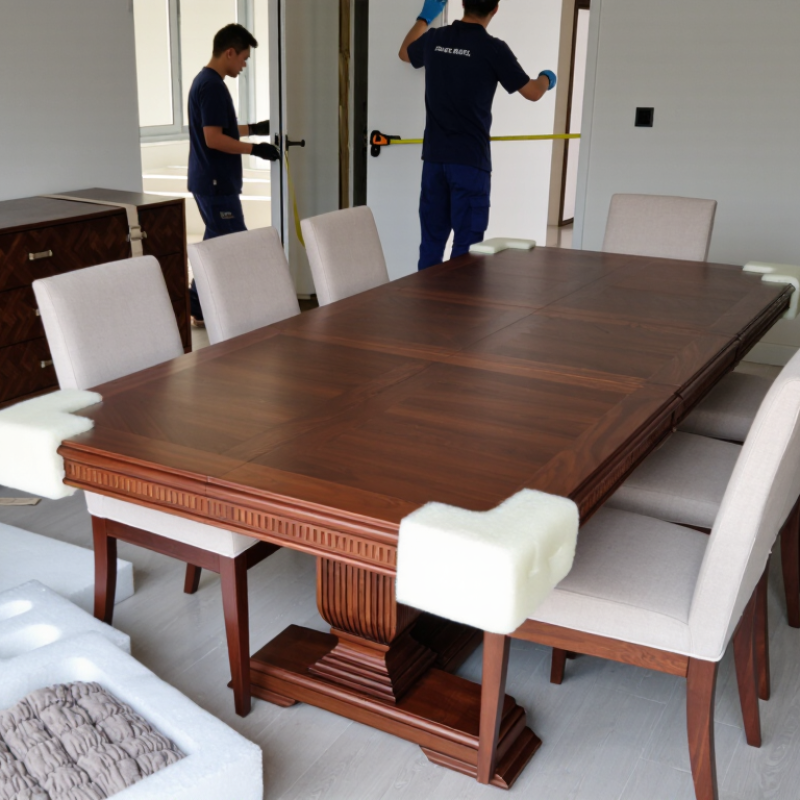
Moving-industry consultant Scott Michael once said, “The safest move begins before the furniture leaves the room.” That principle sounds obvious. It is still frequently ignored. Photographing carved edges, measuring doorways, wrapping polished surfaces with breathable materials, and securing drawers can prevent avoidable damage. Foam corners help. Tight plastic around wood may not. It can trap moisture and leave a dull finish.

This guide presents seven practical tips for protecting luxury furniture during a long move. The recommendations combine professional moving practice, manufacturer care principles, and real handling experience. Still, no method is perfect. Weather changes. Crews make mistakes. A careful plan reduces risk, but it cannot remove every uncertainty.
7 Best Tips to Protect Luxury Furniture on Long Moves?

Assess Furniture Risks Before Planning a Long-Distance Move

7 Best Tips to Protect Luxury Furniture on Long Moves

Assess Furniture Risks Before Planning a Long-Distance Move

Luxury furniture should be assessed before anyone discusses wrapping or loading. Record each piece’s material, age, weight, finish, joinery, and existing marks. A walnut cabinet reacts differently from a lacquered console. Upholstery can also retain moisture during sealed transport. Small details matter.

The USDA Forest Products Laboratory’s Wood Handbook explains that wood exchanges moisture with surrounding air and changes dimensionally. Therefore, measure doors, stairways, elevators, and storage spaces before scheduling collection. A 3-millimeter clearance can disappear after humidity changes. I once underestimated this risk on a narrow stair landing. That mistake was avoidable.

Route conditions deserve equal attention. The Federal Motor Carrier Safety Administration’s 2023 Large Truck and Bus Crash Facts recorded about 168,000 police-reported crashes involving large trucks and buses in the United States. This does not measure furniture damage, but it shows why route planning matters. Review road quality, transfer points, weather exposure, and overnight storage. Fragile veneers need stable temperatures, not merely thick blankets.

Use a condition report with close photographs, dimensions, and hardware locations. Identify detachable legs, glass panels, loose veneers, and unstable drawers. Ask whether the carrier can provide shock indicators, climate-controlled storage, and trained handlers. Industry guidance often recommends padding, corner protection, and restrained movement, yet no method is perfect. A protected item can still fail when its internal joints were already weak. Recheck your assumptions.

Choose Protective Materials for Different Luxury Furniture Types

Protecting luxury furniture on a long move starts with matching the material to the right barrier. The U.S. Census Bureau reported that about 28 million Americans changed residences between 2022 and 2023. That volume shows why transport preparation matters, especially for high-value pieces. Solid wood needs breathable moving blankets and padded corner guards. Avoid sealing it tightly in plastic, because trapped humidity can encourage staining or warping. Veneer requires flat foam sheets, acid-free tissue, and firm edge protection. Never place adhesive directly on the finish.

Leather needs a clean cotton cover beneath a loose, breathable outer layer. Plastic touching leather can transfer moisture and create dull patches. Upholstered furniture benefits from fitted dust covers, polyethylene foam around exposed feet, and a rigid carton shell when stacking risks exist. Glass, marble, and lacquered surfaces need separate protection. Use soft tissue first, foam second, and double-wall cartons around smaller removable parts. ASTM D4169 and ISTA 3A testing procedures evaluate vibration, compression, and impact, but household packing rarely matches laboratory conditions.

That gap matters. In my moving experience, extra padding often protects one surface while stressing another. A heavy marble top can crush soft foam underneath. Test each wrapped item with gentle hand pressure before loading. Label fragile zones clearly, but do not rely on labels alone. Measure doorways, secure drawers separately, and photograph every surface before departure. I still find that “more protection” is not always safer. Airflow, weight distribution, and material compatibility deserve equal attention.

7 Best Tips to Protect Luxury Furniture on Long Moves? - Choose Protective Materials for Different Luxury Furniture Types

Tip Luxury Furniture Type Recommended Protective Materials How to Apply the Protection Primary Protection Provided Materials or Methods to Avoid
1 Wooden cabinets, tables, and sideboards Soft moving blankets, acid-free tissue paper, corrugated cardboard corner protectors, and stretch film used over the blanket layer Dust the surface first. Wrap each piece in a clean moving blanket, secure the blanket without adhesive on the finish, and add cardboard to exposed corners and edges. Reduces scratches, edge impacts, dust, and rubbing during loading and transport. Do not place tape directly on wood, and do not use plastic film directly against unfinished or freshly waxed wood.
2 Leather sofas, chairs, and ottomans Breathable cotton or non-woven furniture covers, soft blankets, foam edge guards, and a loose outer dust cover Clean and fully dry the leather before wrapping. Cover the upholstery with a breathable layer, cushion the arms and corners, and keep the outer cover loose enough to allow airflow. Helps prevent abrasion, pressure marks, dust accumulation, and moisture condensation. Avoid sealed plastic directly on leather for long periods because trapped humidity can encourage mildew and surface damage.
3 Glass-top tables, mirrors, and display cases Acid-free tissue paper, bubble wrap, rigid foam sheets, corrugated cardboard, and a double-wall mirror or glass crate Cover the glass with tissue paper, add bubble wrap without compressing the surface, place rigid foam on both sides, and transport the item upright in a fitted crate whenever possible. Limits impact, vibration, edge chipping, and contact with hard packing surfaces. Do not lay large glass panels flat for long-distance transport, and do not allow bubble-wrap bubbles to press directly against delicate finishes.
4 Marble, granite, and stone furniture Non-abrasive felt, foam sheets, thick moving blankets, rigid edge protectors, and a custom wooden crate with internal blocking Wrap the stone in felt and foam, reinforce all corners, keep the load fully supported underneath, and immobilize it inside a crate so it cannot shift. Protects against chipping, cracking, staining, vibration, and concentrated pressure on weak points. Do not use acidic paper, wet materials, loose packing fill, or lifting methods that place force on unsupported overhangs.
5 Upholstered chairs, headboards, and fabric sofas Clean cotton sheets, breathable fabric covers, quilted moving blankets, polyethylene foam corners, and furniture pads Vacuum the fabric, cover it with a clean breathable sheet, protect projecting corners with foam, and finish with a secured moving blanket. Reduces dust, snagging, friction, minor impacts, and contact with dirty truck or warehouse surfaces. Avoid wrapping damp upholstery or sealing fabric tightly in non-breathable plastic during a long move.
6 Mirrored, lacquered, and high-gloss furniture Lint-free microfiber cloths, acid-free tissue paper, soft foam sheets, edge guards, and clean padded blankets Remove dust with a suitable dry microfiber cloth, place tissue paper over the finish, add foam to vulnerable areas, and secure a clean blanket around the entire item. Minimizes micro-scratches, fingerprints, scuffs, and damage to reflective or high-gloss surfaces. Do not use abrasive paper, rough cardboard directly on the finish, or adhesive labels on lacquer, mirror, or polished surfaces.
7 Antique, inlaid, or delicate decorative furniture Acid-free tissue paper, conservation-quality foam, soft cotton padding, custom wooden crates, and humidity-monitoring packs where appropriate Photograph the item, remove detachable parts, wrap delicate details separately, cushion all sides, and use a fitted crate with internal supports that do not press against ornamentation. Provides controlled cushioning and helps reduce vibration, abrasion, movement, and environmental fluctuations. Avoid direct adhesive contact, newspaper, excessive heat, abrupt humidity changes, and unmarked crates that may be handled incorrectly.
Long-distance moving reminder: Allow wrapped furniture to remain clean and dry, keep heavy items secured upright when appropriate, prevent direct contact between different finishes, and inspect each piece after arrival before removing all protective layers.

Prepare, Disassemble, and Document Each Valuable Furniture Piece

Protecting luxury furniture during a long move begins before packing day. Create a room-by-room inventory with photographs, measurements, materials, and existing marks. Capture close-ups of corners, joints, handles, and polished surfaces. Date each image and store copies separately. This record can clarify condition if questions arise later.

Prepare each piece according to its construction. Remove shelves, glass panels, cushions, legs, and detachable hardware when the design allows it. Place screws and fittings in labeled bags, then attach those bags to the correct furniture piece.

Wrap wood with breathable padding, not plastic directly against the surface. Use corner protectors on marble, lacquer, and delicate veneers. Never force a component that feels stuck. A small mistake can become permanent damage.

Disassembly is not always safer. Antique joints, fragile finishes, and hidden mechanisms may need a qualified furniture specialist. Measure doorways, stair turns, and elevator interiors before moving anything. I have seen careful wrapping fail because a cabinet could not clear one narrow landing.

Leave extra space for padding. Label every crate with the room, handling direction, and unpacking priority.

Keep an inspection sheet nearby, and check each item immediately after delivery. Note changes honestly, even minor scratches that seem unimportant. They may reveal pressure, moisture, or movement damage later.

Pack, Load, and Secure Furniture to Prevent Movement and Damage

Long-distance moves can punish careless packing, especially when furniture has polished wood, delicate veneers, or fragile stone. Start by photographing every piece, including existing marks and loose fittings. Clean and dry each surface before wrapping it. Dust trapped beneath padding can create scratches during transit. Remove shelves, legs, handles, and glass panels when possible. Label every part in a small, sealed bag. Keep hardware with its matching furniture.

Use soft blankets first, then add breathable protective wrap around vulnerable surfaces. Place thick corner guards over sharp edges. Avoid placing tape directly on finished wood. It may lift the coating or leave stubborn residue.

For glass, use rigid protection on both sides and mark the panel clearly. Bubble wrap alone is not enough. A custom crate offers stronger protection for unusually valuable or fragile pieces, though it adds weight and cost.

Loading requires the same care. Measure doorways, stair turns, and the vehicle opening before lifting anything. Keep heavy furniture low and lighter pieces above it.

Never let polished surfaces touch bare metal, flooring, or another item. Use padded straps to secure each piece without crushing upholstery or carving into wood. Stop movement with blocks, blankets, and controlled tie-down points.

Check the load after the first short drive. Even careful crews can miss a shifting corner. That small inspection may reveal pressure, friction, or poor balance before serious damage occurs.

Control Climate, Handling, and Inspection During Transportation

Long-distance transport can expose luxury furniture to temperature swings, dry air, and sudden humidity. In my experience, climate control matters as much as padding. Keep the vehicle between 16°C and 24°C, with moderate humidity near 45% to 55%. Measure conditions with a data logger, not a driver’s guess. Let wood, leather, and lacquer acclimate before wrapping them tightly. Use breathable covers for wood and leather. Plastic can trap condensation. Avoid placing furniture against cold metal walls. Leave a small air gap. For delicate pieces, ask a conservator to assess finishes and veneer before departure. That inspection often reveals loose trim or hairline cracks.

Handling should be planned piece by piece. Photograph every surface, joint, drawer, and leg before loading. Remove shelves and secure moving parts with soft, non-marking straps. Never drag a cabinet across a liftgate. Use padded dollies, corner protection, and two trained handlers for uneven weight. Keep items upright when their construction requires it. A glass door needs separate protection, not extra pressure. Check tie-downs after the first hour and after every rough road section. At delivery, inspect under bright, angled light. Look for fresh scratches, lifted veneer, damp spots, odors, or shifted hardware. Record findings immediately with time-stamped photos. I once trusted a clean outer blanket too quickly; the lower corner had absorbed moisture. That mistake changed my checklist: inspect underneath, not just what is visible.

FAQS

How should solid wood furniture be wrapped for a long-distance move?

Use breathable moving blankets and padded corner guards. Avoid tight plastic sealing. Trapped humidity may cause stains or warping. Leave airflow.

What materials protect veneer surfaces safely?

Place flat foam sheets and acid-free tissue over the veneer. Add firm edge protection. Never apply adhesive directly to the finish.

How can leather furniture avoid moisture damage?

Cover leather with clean cotton first. Add a loose, breathable outer layer. Plastic touching leather may create dull moisture patches.

What protection works for upholstered furniture?

Use fitted dust covers. Wrap exposed feet with polyethylene foam. Add a rigid carton shell when stacking creates pressure risks.

How should glass, marble, and lacquered surfaces be packed?

Use soft tissue first and foam second. Protect both sides of glass with rigid panels. Pack removable parts in double-wall cartons.

What should be done before packing luxury furniture?

Photograph every surface, including existing marks. Clean and dry each piece. Remove shelves, legs, handles, and glass panels when possible.

How can small furniture parts stay organized?

Place screws and fittings in a sealed, labeled bag. Keep each bag with its matching furniture. Small parts disappear easily.

How should furniture be loaded into the moving vehicle?

Keep heavy furniture low and lighter pieces above it. Prevent contact with bare metal or flooring. Use padded straps and controlled tie-down points.

Is more padding always safer?

Not always. Heavy marble can crush soft foam underneath. Test wrapped items with gentle hand pressure before loading.

What should be checked after the vehicle starts moving?

Inspect the load after a short drive. Look for shifting corners, friction, pressure, or poor balance. Labels alone are not enough.

Conclusion

How to protect luxury furniture during a long-distance move? Start by assessing each piece for its materials, age, size, weight, fragility, and existing weaknesses. Create a detailed inventory with photographs, measurements, condition notes, and records of removable parts. Carefully disassemble items when appropriate, keeping hardware labeled and instructions organized. Select protective materials according to the furniture type: breathable padding for wood, non-abrasive covers for polished surfaces, reinforced protection for glass, and specialized support for delicate upholstery or carved details.

During packing and loading, use sturdy crates or custom-fitted boxes when necessary, and secure every item to prevent shifting, tipping, or impact. Avoid placing heavy objects on fragile pieces, and use proper lifting techniques throughout handling. Climate control is also important because extreme temperature, humidity, and sudden environmental changes can damage wood, leather, fabric, finishes, and adhesives. Inspect furniture at loading, arrival, and final placement, comparing its condition with the original documentation. With careful planning, suitable materials, controlled transportation, and attentive handling, valuable furniture can arrive safely and maintain its beauty and structural integrity.

Amelia

Amelia

Amelia is a seasoned marketing professional with a wealth of expertise in our company’s core offerings. With an unwavering passion for driving growth and innovation, she plays a pivotal role in shaping our marketing strategies and enhancing brand visibility. A key aspect of her responsibilities......