Choosing furniture for older adults involves more than comfort or attractive upholstery. A deep sofa may look inviting, yet it can make standing difficult. Low tables can become obstacles, especially in dim evening light. The practical question is simple: What should I look for in senior living furniture for safety? Look for stable frames, supportive arms, suitable seat height, and clear walking space. Small details matter.
A safe chair should allow both feet to rest flat on the floor. Its seat should support the hips without forcing a forward slide. Firm cushions often provide better transfer support than soft, collapsing foam. Armrests need enough strength for controlled standing, not decoration. Rounded corners and secured hardware can reduce painful contact and unexpected movement. Check every leg and caster. Loose parts deserve immediate attention. Non-slip feet may help, but they cannot correct an unstable design. Furniture should also match the resident’s mobility, balance, reach, and vision. An occupational therapist or qualified senior-care professional can assess these needs.
Reliable guidance comes from manufacturers who publish dimensions, weight limits, care instructions, and testing information. Measurements should be verified in the actual room, including doorways, rugs, and turning areas. A showroom chair may feel safe for five minutes, but daily use reveals pressure points and awkward transfers. That limitation deserves honesty. Safety is not a permanent label; it changes as strength and mobility change. Recheck furniture after illness, a fall, or a new mobility aid. Thoughtful selection combines evidence, observation, and regular review.
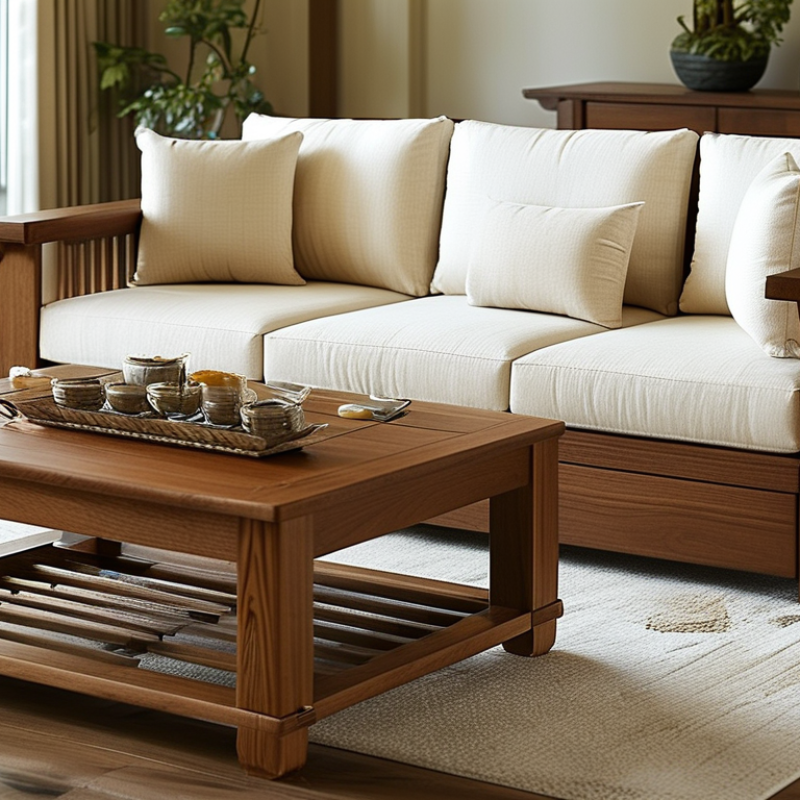
Safe senior living furniture begins with the person using it, not its appearance. Many older adults need stable support during sitting, standing, and turning. A chair should have a firm seat, supportive arms, and a height that limits deep bending. Feet should rest flat on the floor. Wobbling is unacceptable.
Look closely at edges and pathways. Rounded corners can reduce injury risks during a stumble. Non-slip feet help prevent sudden movement on smooth floors. Furniture should leave enough space for walkers, canes, or careful stepping. Avoid low tables that disappear beside a chair. Good lighting also matters, especially near seating and bedside furniture.
Comfort must support safety, not replace it. Soft cushions may feel pleasant but can make transfers harder. Upholstery should resist moisture and allow regular cleaning. Check seams, hinges, and fasteners during routine inspections. Small faults grow quickly.
Professional guidance can improve decisions. Occupational therapists often assess transfer ability, reach, balance, and room layout. Caregivers should also observe real use, not rely only on product descriptions. A chair may pass a visual check yet feel unstable after ten minutes. I once thought wider furniture always offered more comfort; that assumption can block movement and reduce independence. Safety requires honest observation, patient testing, and occasional reconsideration.
Stability, support, and ease of use should guide every furniture decision. The CDC reports that more than 14 million older adults fall each year in the United States. That figure represents about one in four adults aged 65 and older. A stable chair is not a luxury.
Check whether the frame stays firm when someone sits, stands, or shifts sideways. Wide bases, secure joints, and properly locking casters can reduce unwanted movement. Avoid lightweight tables that slide across the floor.
The National Institute on Aging recommends sturdy chairs with armrests, because they can support safer transfers. Armrests must not block the user’s knees or encourage awkward twisting. Small details matter.
Seat height deserves practical testing. A person should place both feet flat while rising without pushing excessively. Firm, supportive cushioning is usually safer than deep, soft padding. However, firmness alone can create discomfort during long sitting. That point is easy to overlook.
Rounded edges, washable upholstery, and clear space around the chair also improve daily use.
The World Health Organization identifies falls as the second leading cause of unintentional injury deaths worldwide, with older adults facing greater risk. Furniture cannot eliminate falls, but thoughtful design can remove several avoidable obstacles. Evaluation should include the actual user, their footwear, and the room’s flooring—not just a showroom demonstration.
Safe senior living furniture begins with materials that tolerate daily use without creating hidden hazards. Solid wood, responsibly manufactured panels, and durable metal can all work well. Look for smooth edges, secure joints, and safety documentation from the manufacturer. Avoid surfaces that shed fibers, strong odors, or loose decorative pieces. A material may look attractive but still feel cold, slippery, or difficult to clean.
Shape matters during ordinary movements. Choose chairs with supportive arms, firm seats, and enough height for easier standing. Tables should have rounded corners and a stable, wide base. Avoid narrow legs that catch slippers or wheels. Low furniture can be difficult to see at night. I once focused too much on appearance and missed how a sharp underside could touch someone’s knee. That mistake changed how I inspect furniture.
Surface finishes should reduce glare and support confident contact. Matte or low-sheen finishes usually work better near windows and bright lamps. Highly polished tops can reflect light and hide water spills. Textured finishes need care, because deep grooves may collect dust and bacteria. Select coatings that resist moisture and allow regular cleaning without becoming sticky. Test a sample by wiping it, touching it with dry hands, and viewing it under evening light. Small details reveal more than showroom lighting.
Choosing furniture with stable shapes, low-glare finishes, clearly visible edges, and appropriate clearances can support safer movement and reduce common fall hazards. The reference dimensions below are accessibility guidelines, not universal furniture requirements.
Reference dimensions: 30 × 48 inches for a forward wheelchair approach, 60 inches for a turning circle, 27 inches minimum knee clearance height, 30 inches minimum knee clearance width, and 19 inches minimum knee clearance depth. Rounded, stable edges and matte, non-glare surfaces should be assessed alongside these measurements.
Safe senior living furniture starts with accessibility, not appearance.
A seat should let both feet rest flat, with firm support for standing. Armrests need enough clearance for a walking aid. Avoid deep cushions that make transfers difficult.
CDC reports that more than three million older adults receive emergency treatment for falls each year. Furniture cannot prevent every fall, but poor height and unstable surfaces can increase risk.
Measure doorways, turning spaces, and seat dimensions before buying. Try furniture with the user’s real shoes and mobility aid. Do not guess.
Comfort includes posture, pressure relief, temperature, and ease of movement.
The National Poll on Healthy Aging reported in 2022 that 37% of adults aged 50 to 80 worried about falling.
A supportive chair should feel stable without forcing the body forward. Test it for ten minutes, not ten seconds.
Maintenance is equally practical. Choose wipeable surfaces, removable covers, sealed joints, and replaceable glides. Check casters, screws, and upholstery seams during routine cleaning.
AARP’s 2021 Home and Community Preferences Survey found that 77% of adults aged 50 and older want to remain in their homes as they age. That preference makes durable, easy-care furniture especially valuable.
Still, “easy-care” is not always easy. Spills hide beneath cushions, and smooth finishes may become slippery when wet. Review the cleaning instructions with caregivers, then test the routine in real daily conditions.
Furniture should match the resident’s actual care needs, not only their age. The CDC reports that more than one in four adults aged 65 and older falls each year. For someone with weak leg strength, choose a firm chair with armrests, a supportive back, and a seat height that allows both feet to touch the floor. Avoid deep cushions that make standing difficult. Keep pathways clear.
For residents with limited balance, stable furniture matters more than attractive design. A heavy, non-sliding chair can support safer transfers. Rounded edges may reduce injury during contact. However, furniture should never replace properly installed grab bars or professional supervision. The National Institute on Aging advises removing trip hazards and improving lighting around walking areas. Small details matter. A lamp switch should be reachable from the seated position.
Cognitive changes require a different approach. Simple shapes, contrasting colors, and uncluttered layouts can make seating easier to recognize. For wheelchair users, check table clearance, turning space, and transfer height. For residents with incontinence, choose cleanable, moisture-resistant upholstery without creating a cold or institutional feeling. The World Health Organization reports that falls cause about 684,000 deaths globally each year, with adults over 60 facing the greatest risk. Still, I would not trust a checklist alone. A chair that feels secure to one person may feel restrictive to another. An occupational therapist’s assessment can reveal risks that showroom testing misses. Safety is personal.
: Choose a firm seat, supportive arms, and a stable frame. Both feet should rest flat on the floor. Wobbling is unacceptable. The chair should support sitting, standing, and turning without deep bending.
Ask the user to sit, stand, and shift sideways. Watch for sliding, twisting, or excessive pushing. Test it with normal footwear and the room’s actual flooring. A short showroom test may miss problems.
Not always. Deep, soft padding can make standing harder. Firm support usually improves transfers, but excessive firmness may cause discomfort. The user should sit for several minutes before deciding.
Look for a heavy base, secure joints, and stable feet. Locking casters should stay locked during transfers. Avoid lightweight tables that slide across smooth floors. Small faults can grow quickly.
Leave clear paths for walkers, canes, and careful steps. Provide enough room for turning and transfers. Avoid low tables hidden beside chairs. Crowded layouts can quietly reduce independence.
A stable chair with arms, a supportive back, and a suitable height can help. Rounded edges may reduce injury during contact. Furniture cannot replace supervision or properly installed support equipment. That distinction matters.
Check table clearance, turning space, and transfer height. The wheelchair should approach without awkward twisting. Keep nearby pathways open. Measure the actual room.
Use simple shapes, clear colors, and uncluttered layouts. A reachable lamp switch can reduce unnecessary walking. Strong visual contrast may make seating easier to recognize. I would not trust a checklist alone.
Choose moisture-resistant upholstery that allows regular cleaning. Inspect seams, hinges, and fasteners during routine checks. The material should feel comfortable, not cold or institutional. Cleanability matters every day.
Seek an occupational therapist when balance, transfers, reach, or room layout are uncertain. Caregivers should observe real use over time. A chair may look secure but feel unstable after ten minutes. Safety is personal.
Choosing furniture for senior living requires more than focusing on appearance. What should I look for in senior living furniture for safety? Start with strong stability, reliable support, and designs that are easy to use. Chairs and beds should resist tipping, provide firm yet comfortable seating, and make sitting down or standing up less difficult. Rounded edges, smooth surfaces, and non-toxic, durable materials can help reduce injuries and support a healthier living environment. Finishes should also be easy to clean without becoming dangerously slippery.
Accessibility and personal comfort are equally important. Furniture should suit the senior’s height, mobility, balance, and daily routines, while leaving enough space for safe movement and assistive devices. Consider adjustable features, supportive cushions, easy-to-reach controls, and surfaces that do not require excessive bending or stretching. Finally, choose pieces that are simple to maintain, resistant to everyday wear, and appropriate for the individual’s level of care, ensuring safety, dignity, comfort, and independence over time.
Lullaby Furniture