Navigating the world of furniture can be overwhelming. Many consumers find themselves asking, "Why is sustainable furniture more expensive than fast furniture?" This question touches on ethics, craftsmanship, and environmental impact.
Sustainable furniture often uses high-quality, eco-friendly materials. These materials are sourced responsibly, significantly increasing production costs. In contrast, fast furniture prioritizes low prices, often sacrificing quality and ethical considerations. Additionally, sustainable practices require skilled artisans who invest time into creating each piece.
However, the value of sustainable furniture goes beyond its price tag. Investing in durable, responsibly-made pieces could save money in the long run. Reflecting on the impact of our choices may encourage a shift in purchasing habits. Brands committed to sustainability often face challenges in scaling production, which can affect pricing. Are we ready to invest in quality that benefits our planet?
Understanding the Definition of Sustainable Furniture
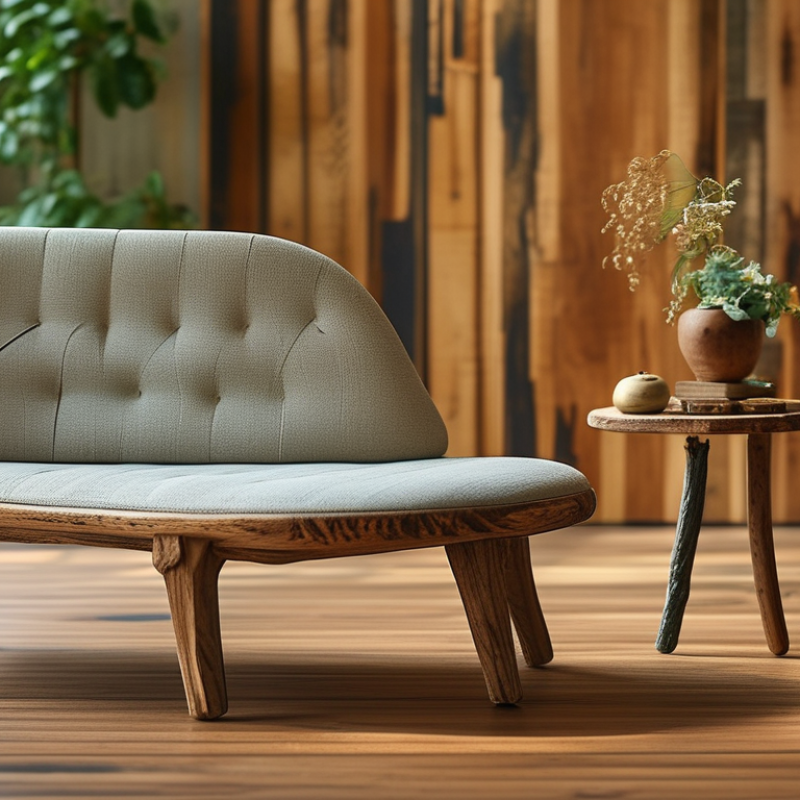
Sustainable furniture is defined by its eco-friendly materials, ethical production processes, and long-lasting design. Unlike fast furniture, which often prioritizes low cost and quick manufacturing, sustainable options focus on environmental impact. Each piece is crafted with care, using responsibly sourced wood and recycled materials. This can include reclaimed wood that adds character and reduces waste.
The production of sustainable furniture typically involves small-scale artisans or socially responsible companies. These makers prioritize fair labor practices and low carbon footprints. While this may result in higher prices, it reflects the quality and intention behind each item. However, it can be challenging for consumers to fully grasp the value of these products. Many people still gravitate towards cheaper options without considering their environmental costs.
Investing in sustainable furniture supports a healthier planet and promotes responsible consumption. It encourages thoughtful decisions when furnishing our homes. As we become more aware of our choices, the emphasis should shift from instant gratification to lasting quality. This mindset may take time to develop, but it's crucial for building a sustainable future.
The Environmental Impact of Fast Furniture vs. Sustainable Options
Fast furniture has gained popularity due to its affordability and immediacy. However, this convenience comes at an environmental cost. The production of fast furniture often involves cheap materials and harmful processes. These items are typically made from particleboard or plastic, which can emit volatile organic compounds. Additionally, they often end up in landfills, contributing to waste and pollution.
In contrast, sustainable furniture focuses on longevity and eco-friendly materials. Craftspeople often use solid wood or recycled materials, which are designed to last. This approach reduces the amount of waste generated. Sustainable manufacturing practices often prioritize ethical labor and environmentally sound processes. It’s a more responsible choice, yet it often carries a higher price tag.
While sustainable furniture may seem expensive, it invites reflection. Investing in quality pieces can reduce the cycle of buying and disposing of cheap furniture. Paying a bit more upfront allows for long-term savings and less environmental impact. Considering the cost of cheap materials in terms of durability and environmental harm prompts a deeper understanding of what true value means.
Production Costs: Why Sustainable Materials Are More Expensive
Sustainable furniture often comes with a higher price tag compared to fast furniture. The underlying reason lies in the production costs associated with sustainable materials. Eco-friendly materials, such as reclaimed wood or organic fabrics, require more time and care to source and process. This attention to detail often increases the overall costs of production. Many manufacturers invest in ethical labor practices, contributing to a commitment to sustainability.
Choosing sustainable options means understanding their value. While fast furniture offers a lower initial price, it often leads to quicker wear and tear. Sustainable furniture generally boasts longer lifespans, making it a wiser investment over time. It encourages consumers to rethink their purchasing habits and consider the long-term implications of their choices.
Consider opting for local artisans who use sustainable materials. They may offer unique pieces that enhance your space. Look for used or refurbished options that can save money while benefiting the environment. Investing in quality means investing in pieces that tell a story, promoting both sustainability and craftsmanship.
Labor Practices and Fair Trade in Sustainable Furniture Production
Sustainable furniture often comes with a higher price tag. One major reason lies in labor practices and fair trade principles upheld during production. Unlike fast furniture, which usually opts for cheap labor and materials, sustainable furniture prioritizes ethical standards. A report from the International Labor Organization highlights that around 21% of the furniture industry relies on child or forced labor in developing countries. Sustainable brands work to eliminate this, often resulting in higher costs.
Fair trade certification adds to the expense. According to Fair Trade International, certified products ensure a living wage for workers. This certification process can be extensive and costly, usually reflected in retail pricing. For instance, studies indicate that fair trade furniture can be 20-30% more expensive than conventional alternatives. Consumers may wonder if these prices are justified, especially when cheaper options are widely available.
It’s essential to recognize the trade-offs. While sustainable furniture support ethical practices, this often comes at a premium. However, investing in sustainable options fosters job security and community stability. Sadly, the cheaper alternatives may perpetuate a vicious cycle of exploitation. This gap raises challenging questions about consumer responsibility and the true cost of "affordable" furniture.
Why is Sustainable Furniture Pricier Than Fast Furniture?
| Dimension |
Sustainable Furniture |
Fast Furniture |
| Average Cost |
$1,200 |
$300 |
| Material Source |
Renewable/ Recycled |
Non-renewable |
| Production Time |
6-12 weeks |
1-2 weeks |
| Labor Practices |
Fair Trade |
Often Exploitative |
| Lifespan |
15-25 years |
3-5 years |
| Environmental Impact |
Low |
High |
Market Demand and Perception of Value in Sustainable Furniture
Sustainable furniture often comes with a higher price tag than fast furniture. This difference largely stems from market demand and the perception of value. According to a recent report by the International Furniture Fair, sustainability is increasingly influencing consumer choices. In fact, 72% of consumers prefer products made from eco-friendly materials. This growing trend impacts pricing, as manufacturers invest in sustainable practices.
The labor involved in creating sustainable furniture can also drive costs up. Craftsmen often use traditional techniques that require skill and time. A study by the Environmental Protection Agency highlights that sustainable materials can be more expensive than mass-produced alternatives. For example, reclaimed wood is cherished for its unique character but often costs 20-30% more than plywood.
Consumers often believe that sustainable products reflect a higher quality due to their durability and ethical production. Yet, there is also a perception challenge. Many still equate price with quality, leading to hesitance in purchasing sustainable options. Reflecting on this mindset, it’s crucial for the industry to communicate that while sustainable furniture costs more upfront, it can lead to long-term savings. A deeper understanding of the true value and benefits of sustainable choices could shift purchasing behaviors.
FAQS
: Sustainable furniture is made from eco-friendly materials, ethically produced, and designed to last.
Higher costs arise from sourcing eco-friendly materials and ethical labor practices.
It promotes responsible consumption and supports healthier environmental practices.
Yes, sustainable options typically offer greater durability, making them a smarter investment.
Common materials include reclaimed wood and organic fabrics, which reduce waste.
Look for local artisans or consider used and refurbished pieces that are eco-friendly.
Many equate price with quality, leading to reluctance in making sustainable purchases.
Yes, materials like reclaimed wood may cost 20-30% more than mass-produced alternatives.
By understanding the long-term value of sustainable furniture instead of focusing on immediate costs.
Sustainable pieces often have unique character and tell a story, enhancing any space.
Conclusion
The question "Why is sustainable furniture more expensive than fast furniture?" is explored through various aspects that highlight the intrinsic value of sustainability. Sustainable furniture is defined by its use of eco-friendly materials and ethical production processes, which carry a higher cost due to the quality of resources and the labor standards adhered to in its creation.
Furthermore, the environmental impact of fast furniture is significant, often leading to increased waste and pollution. In contrast, sustainable furniture prioritizes longevity and reduces ecological footprints, necessitating a shift in consumer perception about value. Finally, market demand for ethically produced goods influences the pricing structure, as consumers increasingly recognize the advantages of investing in sustainable options, despite their higher initial cost. This holistic understanding underscores the price disparity between sustainable and fast furniture, emphasizing the broader societal benefits of choosing sustainable practices.

 Lullaby Furniture