Choosing safe furniture for senior living requires thoughtful consideration. Seniors have unique needs that may differ from younger individuals. Stability, comfort, and ease of use are essential factors.
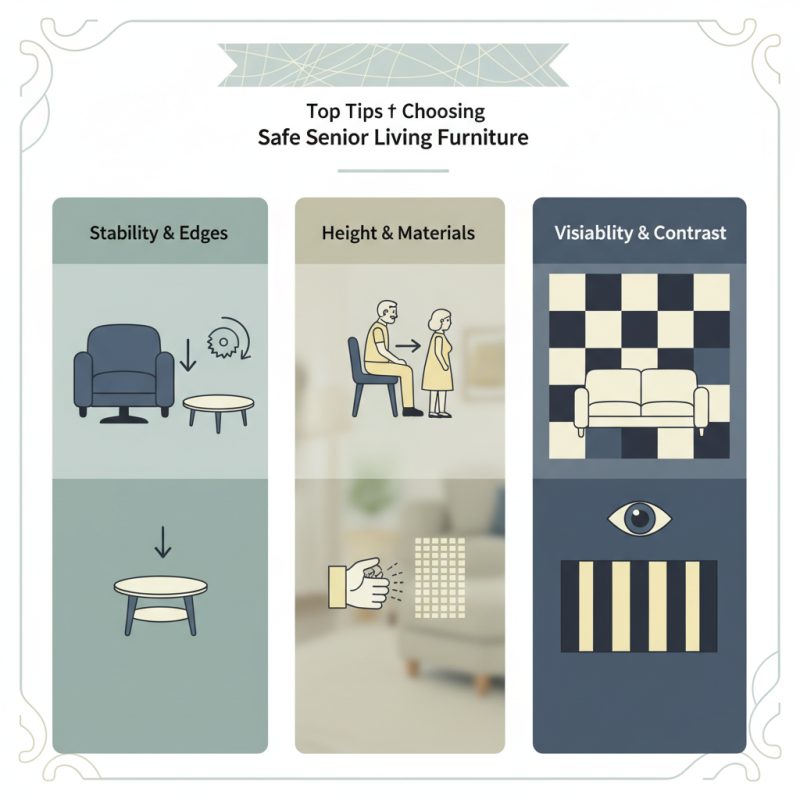
When selecting furniture, you might ask, "What should I look for in senior living furniture for safety?" Start by prioritizing sturdy construction. Look for items that won’t tip over easily. Soft edges on tables and sharp corners should be avoided to reduce injury risks.
Consider the height of furniture as well. Chairs should be at an appropriate level for easy sitting and standing. Additionally, materials matter. Non-slip materials provide better grip and prevent falls. Colors and patterns should be chosen carefully, too. High contrast between furniture and flooring can aid visibility. Taking these factors into account contributes to a safer living environment for seniors.
Choosing ergonomic furniture for seniors requires careful consideration. According to a report from the World Health Organization, around 80% of older adults experience musculoskeletal disorders. Properly designed furniture can help alleviate this pain. Look for chairs with supportive backs and seats that are at the right height. This can reduce strain and improve comfort.
Additionally, stability is crucial. A well-designed chair should have a broad base to prevent tipping. Features like armrests also offer support while sitting or standing. Research indicates that seniors are more prone to falls, and 30% experience a fall each year. Furniture that aids mobility is essential to enhancing safety in their living space.
Material matters too. Furniture should be easy to clean and maintain. Stains and dirt can lead to health issues for seniors. A study found that clean environments significantly help reduce illness rates in older populations. When selecting, always prioritize furniture that combines style with function. It may take time to find the ideal pieces, but the comfort and safety of seniors should guide your choices.
When selecting furniture for senior living spaces, safety should be paramount. A critical aspect of safety is the choice of slip-resistant materials. According to a report by the National Institute on Aging, falls are a leading cause of injury among seniors, with nearly one in four experiencing a fall each year. Choosing furniture made from slip-resistant materials can significantly reduce these risks.
Tip: Look for furniture with non-slip surfaces. This includes chairs and tables that have textured finishes or rubber grips. These features can help stabilize residents and provide peace of mind during daily activities.
Additionally, consider weight distribution when selecting furniture. Lightweight pieces may seem convenient, but they can also tip over easily. A balance of sturdiness and ease of mobility is essential. According to a study by the Centers for Disease Control, furniture stability can prevent accidents in living environments.
Tip: Choose furniture with a lower center of gravity. This design can enhance stability, especially in unpredictable situations. It is crucial to prototype designs considering all aspects to ensure practicality. Regular evaluations of these furniture options can help homes stay current with safety standards.
When considering furniture for elderly use, assessing weight capacity and stability is crucial. Furniture that cannot support an elder safely can lead to accidents. Make sure each piece can handle the necessary weight. Check the manufacturer's specifications thoroughly. A sofa that feels sturdy might not always be the best choice if it lacks the right support.
One practical tip is to test the furniture yourself. Sit down on chairs or sofas to feel their sturdiness. You want to ensure they don’t wobble. Stability can vary widely among different designs. For instance, furniture with a broader base usually offers more stability. Look for chairs with armrests. They can assist in standing up safely.
Additionally, consider the height of the furniture. A chair that is too low can be difficult for seniors to get in and out of. A dining table should match the chair height for easy access. Observation is key; note how the elder uses existing furniture and make adjustments accordingly. These small considerations lead to a safer living environment.
Choosing safe furniture for seniors requires careful consideration of accessibility features. A recent study by the AARP found that nearly 80% of older adults prefer to age in place. This emphasizes the need for accessible furniture designs that cater to their unique needs.
In terms of accessibility, furniture should provide ease of use. For instance, chairs with armrests can assist seniors when sitting or standing. Research shows that 63% of older adults reported difficulty rising from a low seat. Therefore, selecting chairs with a higher seat height can greatly enhance comfort and accessibility.
Another vital feature is stability. Furniture designed for seniors must be sturdy and durable. Lightweight options may seem ideal, but they can pose safety risks. Statistics reveal that falls among seniors are a leading cause of injury. Selecting furniture with non-slip bases and rounded edges can help minimize this risk. These considerations show that enhancing accessibility isn't just about style; it's about creating a safe living environment for senior loved ones.
Choosing the right furniture for seniors involves more than just comfort. Color and lighting play a crucial role. Bright colors can uplift mood and create a warm environment. Softer tones can be calming and help reduce anxiety. It is essential to consider how colors affect emotion. A well-thought-out palette can enhance the overall living space and improve the quality of life.
Lighting is just as important. Seniors often need brighter lights for safety and visibility. Natural light is ideal, creating a welcoming atmosphere. However, not all homes have ample windows. In such cases, adjustable lighting fixtures can help. Task lighting should be positioned to minimize shadows. Combining ambient and task lighting offers a balanced approach.
Many may overlook the impact of color and lighting on their well-being. An all-white room might feel sterile and uninviting. On the other hand, an overly dark space could foster feelings of isolation. It is crucial to reflect on personal preferences and needs. Creating a comfortable environment can significantly enhance a senior's lifestyle. Thoughtful choices can lead to a more enjoyable living experience.
: Furniture must support an elder's weight to prevent accidents and injuries.
Sit down on the furniture to check for wobbling. Stability varies by design.
Armrests help when sitting or standing, and a broader base provides better stability.
Chairs that are too low can be difficult for seniors to use safely.
Accessible designs make everyday tasks easier and enhance comfort for seniors.
Lightweight options may topple easily, posing injury risks during use.
Non-slip bases and rounded edges help minimize fall risks for seniors.
Observe how they use current furniture and make modifications based on those needs.
Many seniors struggle to rise from low seats, which can hinder their independence.
A stable environment is essential to prevent falls, a leading cause of injury.
When considering what to look for in senior living furniture for safety, several key factors must be addressed. First, selecting ergonomic furniture designed specifically for seniors can significantly enhance comfort and reduce the risk of strain or injury. Additionally, the use of slip-resistant materials is crucial to prevent falls, a major concern for the elderly population. Assessing the weight capacity and stability of furniture ensures that it can safely support users, providing peace of mind for both seniors and their caregivers.
Moreover, evaluating accessibility features in furniture design is essential, enabling seniors to engage with their environment more easily. The role of color and lighting also cannot be overlooked; appropriate choices can improve visibility and create a welcoming atmosphere. By focusing on these considerations, one can ensure that the furniture is not only stylish but also promotes safety and well-being in senior living spaces.

Lullaby Furniture