Top 10 Tips for Cleaning and Maintaining Upholstered Furniture?

Time:2026-08-02 Author:Charlotte
0%

Upholstered furniture adds elegance and comfort to our homes. However, it requires proper care to maintain its beauty and functionality. When asking, "How to clean and maintain upholstered furniture at home?" many homeowners may feel overwhelmed. Yet, with the right tips and techniques, keeping your furniture looking fresh is achievable.

Regular maintenance prevents dirt accumulation and prolongs the life of your pieces. Vacuuming weekly can help, but don't overlook stains that may arise. Addressing spills promptly is crucial for preventing lasting marks. The fabric type also plays a role in the cleaning process. Delicate materials require a gentler approach, while sturdier fabrics can handle more rigorous cleaning.

Mistakes can happen. Using the wrong cleaner can damage your upholstery. Sometimes, efforts may lead to unsatisfactory results. But these experiences teach valuable lessons in care. Keep in mind that every piece has its unique needs. Tailoring your cleaning method will ensure your furniture remains a lasting staple in your home.
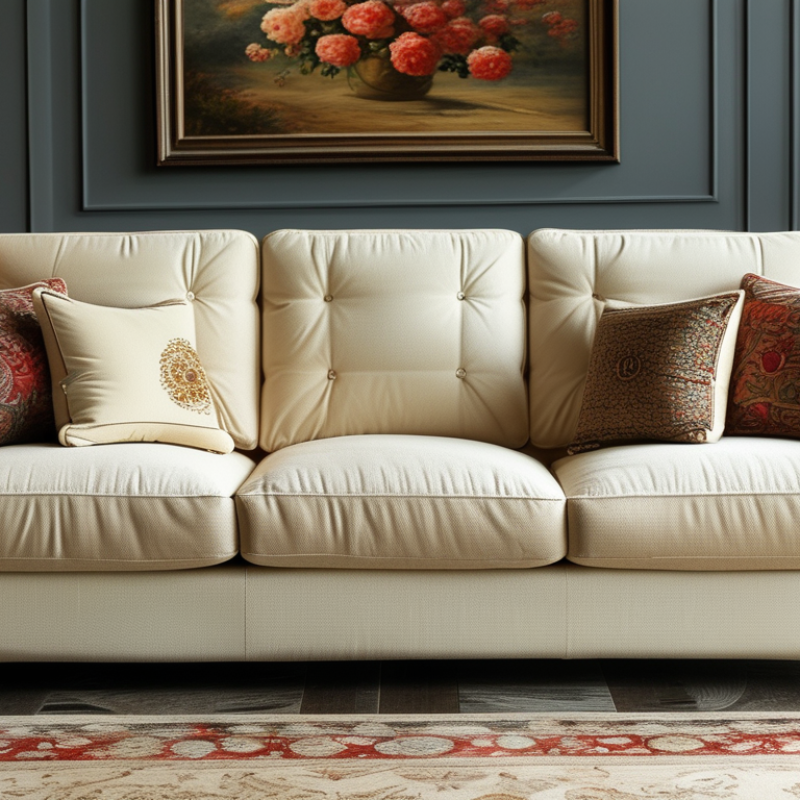
Top 10 Tips for Cleaning and Maintaining Upholstered Furniture?

Understanding Different Upholstery Fabrics and Their Care Needs

Understanding different upholstery fabrics is essential for proper care. Each fabric has unique characteristics that influence its maintenance needs. According to the Textile Research Journal, more than 70% of furniture wear is due to improper cleaning. For instance, cotton blends are durable but can stain easily, requiring frequent vacuuming and occasional professional cleaning.

Leather, while luxurious, needs specific care to prevent cracking. It thrives on moisture, but too much can lead to mold. The Journal of Consumer Research states that 60% of leather damage occurs from neglect. Using a soft cloth to dust and applying a conditioner bi-annually can extend its life.

Synthetic fabrics, like polyester, are often stain-resistant but not immune to dirt buildup. Consumer Reports highlight that over 40% of synthetic upholstery owners admit they rarely clean their furniture. This neglect can lead to lasting odors and a decline in appearance. Simple, consistent care routines can alleviate these issues and keep your furniture looking fresh.

Essential Tools and Supplies for Effective Upholstery Cleaning

Cleaning upholstery requires the right tools and supplies. Essential items include a vacuum cleaner with upholstery attachments. This tool effectively removes dirt and debris. Industry reports show that regular vacuuming can extend the life of upholstery by up to 50%.

Microfiber cloths are another crucial item. They are excellent for wiping surfaces without scratching the fabric. Additionally, a soft-bristle brush can help lift embedded dirt from fibers. Experts recommend using a gentle upholstery cleaner. Many sprays are safe for various fabric types and can be used spot-cleaning stains effectively.

You may also consider investing in a steam cleaner. It provides deep cleaning by using high temperatures. However, not all fabrics can withstand steam. Always test a small area first. Additionally, many people underestimate the importance of scheduled professional cleaning every couple of years. These services can be invaluable in addressing tough stains. Regular maintenance is key, yet many homeowners overlook it.

Step-by-Step Guide to Regular Upholstery Maintenance

Upholstered furniture can enhance any space but requires regular upkeep. It's essential to develop a maintenance routine to extend its life and keep it looking fresh. Start by vacuuming your furniture weekly. This eliminates dust and debris that can wear down fibers. Pay special attention to crevices where dirt collects easily.

For deeper cleaning, use a fabric-safe cleaner. Always spot-test in an inconspicuous area first. This helps avoid discoloration or damage. Make sure to follow the manufacturer’s instructions if you have the original care tags. Sometimes, the wrong method can lead to irreversible stains or fabric damage.

Consider rotating cushions regularly. This ensures even wear over time. Take a moment to inspect your furniture for any loose threads or signs of damage. Addressing these early can save you from larger repair costs later. Remember, your upholstered pieces tell a story, reflecting both your style and your life. Regular care ensures they remain a cherished part of your home.

Handling Stains: Quick Fixes for Common Upholstery Issues

Upholstered furniture can transform a space, but it requires care, especially when it comes to stains. Quick fixes can make a huge difference. For instance, blot spills immediately with a soft cloth. This prevents stains from setting. Do not rub, as this can spread the liquid.

Another common upholstery issue is pet hair. Vacuum regularly. Use a lint roller for quick removal. It’s efficient and can make your furniture look fresh. Stains from ink or food can be stubborn. A mixture of water and mild detergent often works well. Test the solution on an inconspicuous area first to ensure it won’t cause discoloration.

If you find yourself with a tough stain, don’t panic. Sometimes, a little patience is needed. If a homemade solution doesn’t work, consulting a professional might be the best route. Regular maintenance is key, but imperfections can happen. Embrace them, as they tell a story.

Top 10 Tips for Cleaning and Maintaining Upholstered Furniture

This chart illustrates the effectiveness percentage of various methods for cleaning and maintaining upholstered furniture. Regular vacuuming and proper stain treatment are crucial for extending the life of your furniture.

When to Seek Professional Cleaning Services for Upholstered Furniture

Upholstered furniture can enhance the beauty of your home. However, it requires proper care. Sometimes, DIY cleaning is not enough. Knowing when to call a professional can save you time and stress. If your furniture has deep stains, it may need expert attention. Spills from drinks or pet accidents often penetrate the fabric. These situations call for special cleaning techniques.

Another key indicator to seek professional help is odor. Unpleasant smells can linger even after cleaning. A professional can tackle these persistent issues effectively. If your furniture looks worn out or faded, it may benefit from reupholstering. Professionals can provide a fresh look and extend its lifespan.

Regular maintenance at home is important. Vacuum frequently to remove dust. Spot clean minor stains as soon as possible. Yet, improper techniques can damage delicate fabrics. Not all materials are the same—some require unique care. If you are unsure about your upholstery, do not hesitate to consult an expert. Their knowledge will guide you in maintaining your furniture properly.

FAQS

: How often should I vacuum my upholstered furniture?

: Vacuum your furniture weekly. This keeps dust and debris from damaging the fibers.

What should I do if I spill something on my upholstery?

Blot spills immediately with a soft cloth. Avoid rubbing, as it can spread the stain.

How can I remove pet hair from my furniture?

Vacuum regularly and use a lint roller for quick removal. This method is fast and effective.

When should I seek professional cleaning for my upholstered furniture?

Consider professionals for deep stains, persistent odors, or when your furniture looks worn out.

What should I do before using a fabric cleaner?

Always spot-test in an inconspicuous area to avoid discoloration or damage to the fabric.

Can regular maintenance prevent major repairs?

Yes, having a routine can help catch issues early, saving you from expensive repairs later.

What if my homemade cleaning solution doesn’t work?

Don’t panic. Sometimes, waiting or consulting a professional is the best course of action.

How can I ensure even wear on my cushions?

Rotate your cushions regularly. This simple step helps distribute wear and prolongs their life.

Is all upholstery the same when it comes to care?

No, different materials may require unique care. Know your fabric for proper maintenance.

What if I damage the fabric while cleaning?

Imperfections can happen. Reflecting on your cleaning methods can help avoid future issues.

Conclusion

When considering how to clean and maintain upholstered furniture at home, it's essential to first understand the different types of upholstery fabrics and their specific care requirements. Each fabric may require unique cleaning techniques, so familiarize yourself with these needs to ensure optimal care. Equipping yourself with essential tools and supplies, such as a vacuum, fabric cleaner, and soft brushes, can significantly enhance the effectiveness of your cleaning efforts.

Implementing a step-by-step guide to regular upholstery maintenance, including routine vacuuming and prompt stain treatment, can prolong the life of your furniture. When stains occur, having quick fixes for common issues is invaluable. However, for persistent stains or deep cleaning, know when to seek professional cleaning services to ensure your upholstered furniture remains in top condition for years to come.

Charlotte

Charlotte

Charlotte is a seasoned marketing professional with a deep understanding of the company's portfolio and a passion for elevating its presence in the market. With a keen eye for detail and a commitment to excellence, she ensures that our professional blog is regularly updated with insightful articles......