Top 10 Tips for Designing a Nursery That Grows with Your Child?

Time:2026-08-12 Author:Liam
0%

Designing a nursery that adapts to your child’s growth is essential for modern parenting. As children evolve, their needs change, and a well-planned nursery can make this transition smoother. According to the National Association of Home Builders, 55% of parents consider flexibility in nursery design as a top priority. This highlights the necessity for thoughtful planning in creating a space that is both functional and adaptable.

Renowned interior designer Sarah Richardson emphasizes the importance of this approach: “A nursery should be a reflection of your child’s personality while still accommodating their growth.” Her insights resonate with parents who aim to blend aesthetics with practicality.

Incorporating elements like modular furniture and adjustable décor can significantly enhance longevity. Choosing a calming color palette can also have lasting effects, promoting a nurturing environment. However, many parents overlook the importance of versatile layouts. Reflecting on common mistakes can lead to better choices. Adapting a space might require creativity and openness to change. How to design a nursery that grows with your child? This question is not just about aesthetics; it’s about fostering a lifelong connection to their environment.
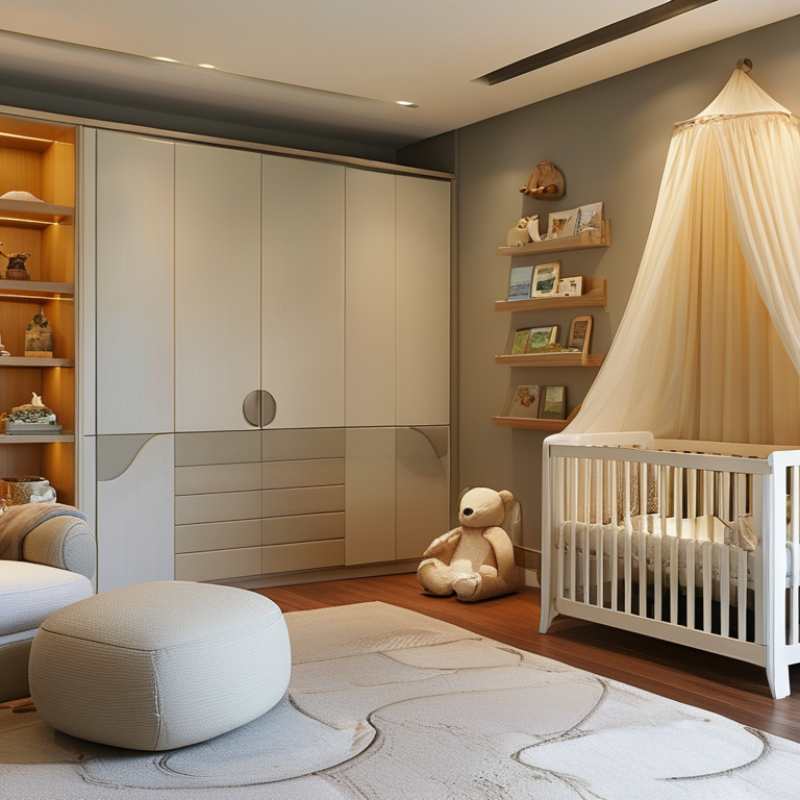
Top 10 Tips for Designing a Nursery That Grows with Your Child?

Choosing a Flexible Color Palette for the Nursery's Long-term Appeal

When designing a nursery, a flexible color palette can be a game changer. Choosing colors that can adapt as your child grows ensures longevity. Soft neutrals like beige or light gray can create a calming atmosphere. These shades provide a perfect backdrop for colorful accents that can easily be swapped out. By using removable wall decals or easily changeable bedding, you can refresh the room without a complete overhaul.

Consider integrating two or three main colors that harmonize well. Soft pastels or earthy tones evoke comfort and can suit various themes. Adding vibrant decor items, such as pillows or toys, allows for an easily updated look. Remember, while bold colors can be appealing, they may not age well. Reflect on your child’s changing preferences and design accordingly.

Plan for growth. As your child transitions from nursery to toddler, their interests will evolve. A color scheme that feels mature but playful can bridge these transitions. Think about incorporating elements that can grow with your child, like wall art or accessories influenced by their favorite stories. Flexibility in your color choices fosters an environment that remains inviting as your child develops their identity.

Incorporating Multi-functional Furniture to Save Space and Adapt to Needs

Designing a nursery that adapts to a child’s growth is essential. Multi-functional furniture plays a pivotal role in maximizing space and meeting evolving needs. According to a report by the American Home Furnishings Alliance, 72% of parents prefer versatile furniture in nursery design. This choice reflects a desire for functionality and sustainability.

Consider a crib that converts into a toddler bed. This piece not only saves money but also reduces waste. A changing table that doubles as a dresser can streamline the nursery’s layout. Keeping necessities within reach is crucial during those chaotic early years. Compact storage solutions, like under-bed drawers, can help maintain organization.

However, not all designs work perfectly. Parents often misjudge the size and scale of furniture. A well-intentioned piece can overwhelm a small nursery. Thoughtful measurements are key. It’s important to remember that adaptability also means re-evaluating the setup as your child grows. What works at one age may not serve the next. Balancing aesthetics with practicality remains a challenge for many families, requiring constant reflection and adjustment.

Designing Zones for Play, Study, and Relaxation as Child Grows

Creating a nursery that can adapt as your child grows is essential. One effective strategy is to design specific zones for play, study, and relaxation. According to a study by the American Academy of Pediatrics, children thrive in environments that offer a clear sense of differentiation in space. These areas can enhance focus and creativity.

For the play zone, incorporate flexible furniture that can be easily rearranged. Use bright colors and durable materials that invite exploration. Consider adding a small climbing structure or art station that can evolve with your child's interests. Research indicates children with dedicated play spaces have improved social skills and emotional development.

As children transition to study and relaxation, these zones must adapt. A comfortable reading nook with soft lighting can foster a love for books. According to a report from the National Association for the Education of Young Children, cozy spaces can reduce anxiety. Choose furniture that transforms, such as a stylish desk that fits their age. Reflection on how these adjustments will impact your child's growth is crucial. It’s not just about aesthetics; it's about creating nurturing environments for learning and relaxation.

Utilizing Durable and Versatile Materials for Longevity and Easy Maintenance

Designing a nursery that can grow with your child is both an exciting and challenging task. One key aspect to consider is the use of durable and versatile materials. This choice not only ensures longevity but also simplifies maintenance as your little one develops. For example, opt for washable wall paint. It can withstand scuffs and scratches, and you can easily wipe down messes.

Incorporate furniture made from solid wood or high-quality composites. These materials resist wear and can adapt to your child's changing needs. A changeable crib that transforms into a toddler bed is a fantastic investment. It provides years of use without compromising aesthetics.

Think about the flooring as well. Selecting resilient options like vinyl or laminate ensures easy cleaning. These surfaces handle spills and accidents without permanent damage. Keep in mind that a nursery should be functional. A play area can transform into a study nook as your child ages. It's crucial to create a space you won't have to overhaul completely. Every decision matters in crafting an environment that truly evolves with your child’s needs.

Creating a Personalization Strategy That Evolves with Your Child's Interests

Designing a nursery that evolves with your child’s interests can be delightful yet challenging. Start by choosing a neutral color palette. Soft shades allow for easy changes later on. You can add colorful accents through decor. These can be switched out as your child's preferences change.

Create a space that reflects your child's personality. Use wall art or shelving for their favorite books and toys. This allows for easy updates. When your child grows, they might want a sports theme or a cozy reading nook. Embrace these shifts rather than sticking to a single theme.

Consider practical and adaptable furniture. A crib that converts to a bed can extend its life. Incorporating storage solutions like bins or boxes helps keep the space organized. It’s okay if the design feels cluttered sometimes. Reflection will help you recognize what truly works for your family’s needs. Ultimately, your nursery should be a warm and inviting space that celebrates your child’s journey.

Top 10 Tips for Designing a Nursery That Grows with Your Child

FAQS

: Why is multi-functional furniture important in a nursery?

: Multi-functional furniture maximizes space and meets changing needs as a child grows. It reduces waste and saves money.

How can a crib be used effectively?

A crib that converts into a toddler bed adapts to growth. This reduces the need for new furniture as the child ages.

What should parents consider when choosing furniture size?

Parents often misjudge furniture size. A large piece can overwhelm a small nursery, emphasizing the need for thoughtful measurements.

How can designated zones benefit a child?

Creating zones for play, study, and relaxation can enhance focus. Clear differentiation in space supports better social skills.

What materials are best for a play zone?

Use bright colors and durable materials. Flexible furniture invites exploration and encourages creativity for children.

Why is a reading nook important?

A cozy reading nook fosters a love for books. Soft lighting helps reduce anxiety and creates a nurturing space for learning.

How can furniture adapt over time?

Choose transforming furniture, like a stylish desk. It should fit your child's age and evolving interests, encouraging growth and development.

Do parents need to reflect on their design choices?

Yes, constant reflection on furniture arrangements is necessary. What works well at one age may not suit another.

What challenges do families face in nursery design?

Balancing aesthetics with functionality is challenging. Parents must constantly adjust the environment as their child's needs change.

Conclusion

Designing a nursery that grows with your child involves strategic choices that balance aesthetics and functionality. To answer the question, "How to design a nursery that grows with your child?", begin by selecting a flexible color palette that ensures long-term appeal as your child's tastes evolve. Incorporating multi-functional furniture helps save space and adapt to different developmental needs, making the nursery a practical environment.

Additionally, it is essential to design distinct zones for play, study, and relaxation to cater to your child's changing activities and interests over time. Opting for durable and versatile materials will ensure that the nursery withstands the wear and tear of daily use while simplifying maintenance. Lastly, creating a personalization strategy allows you to incorporate elements that reflect your child's interests, making the space uniquely theirs as they grow. This holistic approach ensures that the nursery remains a nurturing and functional space throughout different stages of your child's life.

Liam

Liam

Liam is a dedicated marketing professional with a profound expertise in the industry, where he excels at highlighting the unique advantages of our core products. With a keen understanding of market trends and consumer needs, Liam frequently updates our company’s professional blog, providing......