Designing a nursery is both an exciting and daunting task. Parents often wonder how to design a nursery that grows with their child. A well-planned space can adapt as your child develops. It saves time and money in the long run.
Start by considering versatile furniture. A crib convertible to a toddler bed can be a smart investment. Use neutral colors that can evolve with your child's tastes. Decor accents can be easily switched out. Remember, children outgrow themes quickly.
Think about storage solutions for toys and books. Easy access encourages independence. You might feel overwhelmed by choices. Embrace this challenge and seek inspiration from friends or online resources. Your goal is to create a welcoming space that reflects your child's personality. A thoughtful nursery can truly be a sanctuary for your little one.
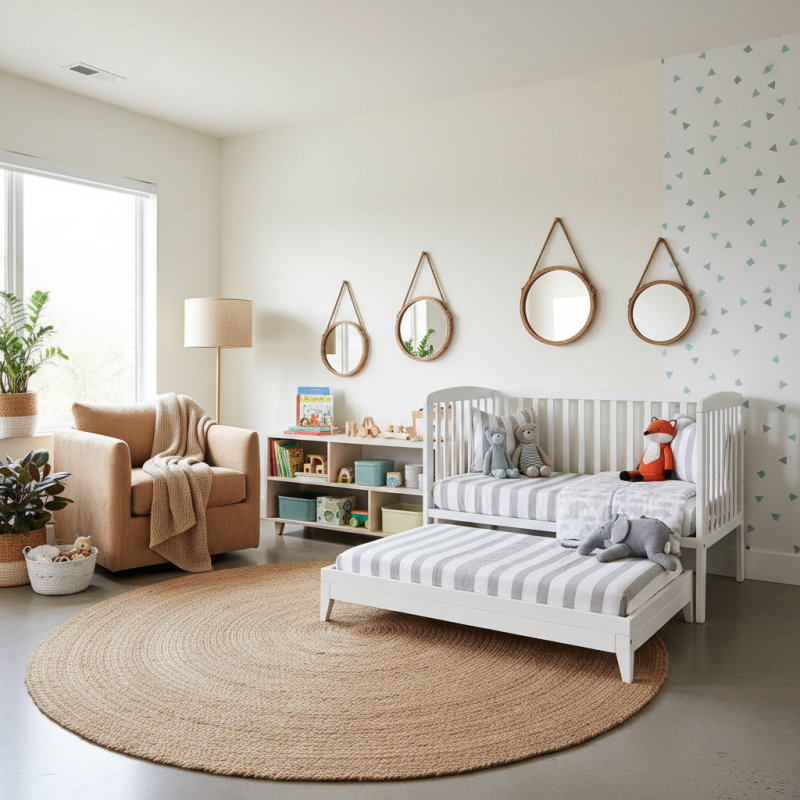
Designing a nursery that adapts to your child’s growth is essential. Choosing versatile furniture is the key. According to recent industry studies, 75% of parents prioritize multi-functional pieces. This approach maximizes space and investment.
When selecting furniture, consider convertible cribs. They transition from crib to toddler bed easily. This is a cost-effective solution. Include a changing table that transforms into a dresser. This not only saves money but also reduces the need for replacements as your child grows. Experts suggest ensuring the furniture is built from durable materials. This ensures longevity and safety.
Consider adjustable bookshelves and modular storage units. These can expand and adapt over time. They can be reconfigured to suit your child’s changing interests. As children grow, their needs evolve. With flexible designs, you minimize waste and stay within budget. Reflect on the future when making choices today. This approach can cultivate a nurturing environment that celebrates growth.
Designing a nursery that adapts to your child’s growth is a rewarding challenge. One key aspect is incorporating adjustable storage solutions. Using shelves and bins that can be repositioned easily allows the space to transform as your child matures. For instance, lower shelves can hold toys when they are toddlers. As they grow older, these shelves can transition to hold books and art supplies.
Think about using multifunctional furniture. A changing table can later become a regular dresser with the right storage options. Consider adding baskets or dividers within drawers. This approach encourages organization and helps children develop good habits from an early age. You might find that some drawers remain cluttered; that’s a part of the process.
Create open spaces with adjustable shelving to showcase items as your child grows. This design invites interaction and ownership of the space. Remember, flexibility is key. Not every adjustment will work perfectly the first time. Adjusting and rethinking layouts is part of finding the right balance. By allowing room for change, you create an enriching environment that caters to evolving needs.
Designing a nursery that adapts over time can be a rewarding challenge.
Using a flexible color scheme is key. Start with neutral tones as a base.
Shades like soft grays or warm whites create a calm atmosphere.
These colors are versatile and easy to enhance with accents later.
As your child grows, introduce bolder colors. Incorporate their favorite hues in decorations or furniture.
For example, vibrant cushions or wall art can add personality. This allows room for personal expression.
Remember, trends change quickly. What seems appealing now may not hold the same charm later.
Utilize removable wall decals or interchangeable decor. This approach makes it easy to refresh the space without a complete overhaul.
When choosing colors, consider emotions too. Blues create tranquility, while yellows bring cheerfulness.
Pay attention to how these colors impact mood. It's a learning process that reflects both your child's personality and preferences.
Designing a nursery that adapts as your child grows involves careful planning and creativity. Start by choosing a neutral color palette. Soft, muted tones create a calming atmosphere. They also allow for easy transitioning to a toddler or even a young teen space. Consider versatile furniture pieces. A crib that converts to a toddler bed can save money and suit different stages of your child's development.
Incorporating multi-functional storage is crucial. Use bins and shelves that are easily accessible. This encourages your child to organize toys and books independently. A play area with durable, soft rugs can transition into a reading nook as your child matures. Don't shy away from open floor space. It allows for creativity and various types of play, making it adaptable as your child’s needs change.
Remember, flexibility doesn’t mean compromising style. Thoughtfully chosen decorations can grow with your child. Consider removable wall decals and interchangeable artwork. These can reflect changing interests without a complete overhaul. A little planning today can lead to a nurturing environment for years to come. Reflect on your choices, and don't hesitate to adjust as your child’s personality emerges.
| Tip | Description | Recommended Age |
|---|---|---|
| Use Neutral Colors | Choose a color palette that transcends gender and grows with your child's preferences. | 0-5 years |
| Modular Furniture | Invest in furniture that can adapt from a crib to a bed, and from changing tables to storage. | 0-10 years |
| Flexible Layout | Design a room layout that can be easily rearranged for different activities as your child grows. | 0-12 years |
| Incorporate Storage Solutions | Utilize shelves, bins, and drawers to keep the space organized, suitable for toys and books. | 0-12 years |
| Safety First | Choose non-toxic materials and secure furniture to walls to ensure a safe environment. | 0-12 years |
| Interactive Areas | Designate areas for play, reading, and creativity to encourage development at different ages. | 0-10 years |
| Personalization | Let your child choose decor elements that reflect their personality as they grow older. | 3-12 years |
| Lighting Options | Incorporate adjustable lighting that can create different moods for playtime or bedtime. | 0-12 years |
| Eco-Friendly Choices | Choose sustainable materials and products that are gentle on the environment. | 0-12 years |
| Tech Integration | Prepare for future tech needs with charging areas and multimedia setups for older children. | 5-12 years |
Creating a nursery that can grow with your child requires careful selection of timeless decor. The right choices can seamlessly transition through various stages of childhood. According to the American Society of Interior Designers, around 80% of parents now prefer to invest in versatile furniture. This allows for easier adaptation as a child’s needs change.
Consider using neutral colors as a base. Soft palettes are more than trends; they create a calm environment. Research from the National Sleep Foundation suggests that colors like beige and light gray promote better sleep. Use these as backgrounds, accentuating with vibrant decor that can be swapped out easily. Fabrics, wall art, and toys can reflect a child’s evolving interests.
Investing in multi-functional pieces is wise. A crib that converts into a toddler bed or a changing table that becomes a dresser sticks with your child. According to a recent survey, families save nearly 30% by utilizing adaptive furniture. However, it’s important to reflect on quality versus cost. Often, cheaper items may not endure, leading to waste. Aim for durability, but also for pieces that resonate with family values. Collectively, these suggestions create a foundation that not only grows with a child but also nurtures a harmonious home environment.
: Use adjustable storage solutions like movable shelves and bins that can change with your child's needs.
Multifunctional furniture is ideal. Choose pieces like cribs that convert to toddler beds or changing tables that become dressers.
It helps children develop good habits. Incorporate baskets and dividers in drawers to encourage organization.
Opt for a neutral color palette with soft tones. This choice promotes a soothing environment for your child.
Ensure it has durable, soft rugs. These can transition into a reading nook as your child grows and needs change.
Yes, flexibility is key. Not every layout will work perfectly at first. Rethink the design as your child’s interests evolve.
Choose versatile decor items in neutral colors. Accent with vibrant elements that can easily be swapped out as tastes change.
It saves money, as these pieces adapt to different stages of your child's life, promoting durability and reducing waste.
Yes, cheaper items may not last, leading to waste. Aim for durable pieces that align with your family's values.
It's part of the process. Some areas may not stay organized. Reflect on your choices and adjust as needed for balance.
Designing a nursery that grows with your child is essential for creating a lasting and adaptable space. One key aspect is how to choose versatile furniture that can transition from a crib to a bed or adjustable seating that accommodates your child's changing needs. Incorporating adjustable storage solutions also plays a crucial role, allowing for easy organization of toys and books as your child grows.
Color schemes can significantly influence the nursery's adaptability; selecting hues that resonate with your child's evolving preferences ensures a timeless appeal. Additionally, designing a flexible layout promotes multi-purpose use, enabling the space to accommodate various activities as your child develops. Lastly, incorporating timeless decor elements helps maintain a cohesive aesthetic throughout different stages of growth, making the nursery a welcoming environment for years to come.

Lullaby Furniture