As we approach the 2026 Canton Fair, the spotlight is on the innovations in the Built In Wardrobe System industry. Renowned expert Maria Chen, known for her work in space optimization, once stated, “A well-designed built-in wardrobe transforms not just space, but also our daily lives.” This statement resonates deeply as manufacturers prepare to showcase their latest designs, reflecting changing home lifestyles and personal organization needs.
The fair will feature advancements that integrate smart technology with aesthetic appeal. Attendees can expect to see systems that maximize storage capacity while maintaining a sleek appearance. Various styles will cater to different tastes, from minimalistic designs to luxurious finishes. These innovations can reshape how we think about storage in our homes.
However, the rapid evolution of built-in storage solutions does raise questions. Are they becoming too complicated for average users? As homes shrink in size, we face the challenge of balancing functionality with user-friendliness. The upcoming Canton Fair aims to address these issues through innovative solutions, inviting a deeper conversation about the future of the Built In Wardrobe System.
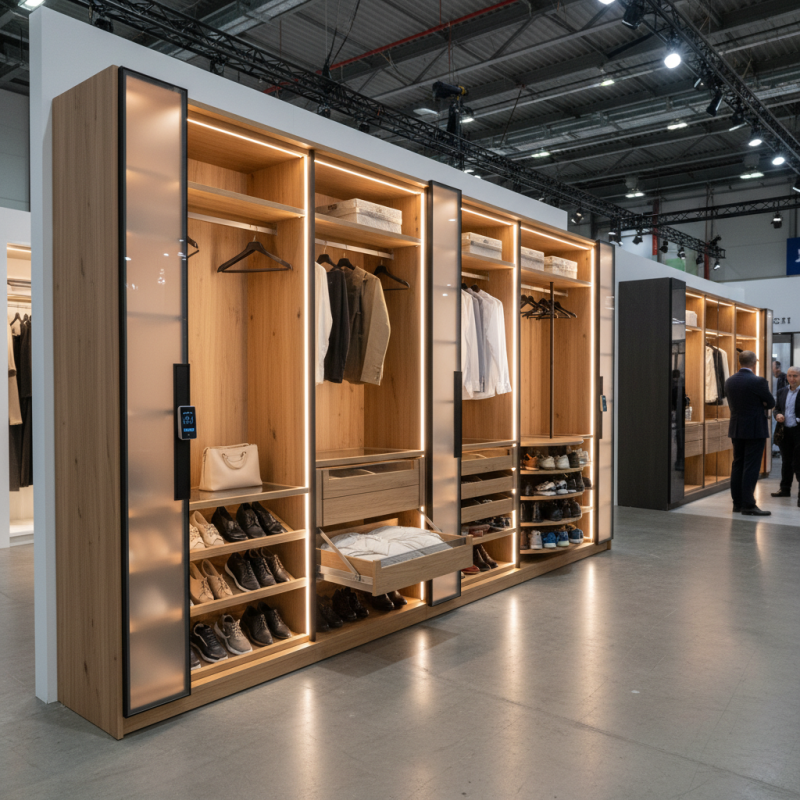
Canton Fair 2026 presented an impressive variety of built-in wardrobe systems. These systems emphasize both functionality and style. Many designs featured innovative storage solutions that maximize space efficiently. Visitors were drawn to sleek finishes and customizable options. Some designs integrated lighting, enhancing visibility while adding aesthetic value.
One standout feature was the modular design approach. It allows users to adapt the layout according to their needs. This flexibility is crucial for small spaces where every inch counts. However, some systems seemed overly complex. This could lead to confusion during installation. Potential buyers might prefer simpler setups.
Tip: Consider your space before choosing a wardrobe system. Measure dimensions to avoid purchasing an unsuitable design. Visualizing the finished product can also help. Some exhibited models looked stunning but might not fit every user’s taste or space. Keep personal style and practical needs in balance. Don't rush the decision; take time to reflect on what truly suits your lifestyle.
This chart displays the popularity ratings of the top 10 built-in wardrobe systems featured at Canton Fair 2026, highlighting their appeal and market presence.
Innovative wardrobe designs have gained popularity, especially in built-in systems. At the Canton Fair 2026, several impressive features stood out. Customization is key; systems can adapt to personal needs. This personalization allows for unique combinations of shelves, hanging spaces, and drawers. Adjustable shelving adds flexibility, accommodating various items.
Another noteworthy aspect is the use of smart technology. Motion-activated lighting enhances visibility. Built-in sensors can even inform users when shelves are becoming overcrowded.
However, not all designs cater to every user; some may find them overly complex. Simplicity often leads to greater satisfaction.
Sustainable materials are gaining traction in wardrobe systems. Eco-friendly options appeal to environmentally-conscious consumers. However, durability can sometimes be compromised for sustainability. Balance is essential; one must reflect on the long-term impacts of material choices. After all, a wardrobe is not just a storage solution; it should also be a functional piece of art.
The built-in wardrobe systems market is rapidly evolving. According to recent reports, the global market is expected to reach $30 billion by 2026. A focus on customization drives this growth. Consumers prefer designs that fit their unique spaces. Modular systems are becoming widely popular.
Sustainability is a key trend. More manufacturers are sourcing eco-friendly materials. Reports indicate that 65% of buyers prioritize sustainability when selecting wardrobe systems. However, there are challenges. Some manufacturers struggle to balance quality with eco-conscious materials. This inconsistency affects consumer trust.
In 2026, smart technology integration will reshape wardrobes. Automated systems offer convenience but require careful planning. They can enhance the user experience, yet might necessitate extra installation costs. This potential disconnect can leave some consumers hesitant. Understanding these trends is vital for anyone in the industry.
The demand for sustainable wardrobe systems is growing rapidly. As consumers become more aware of their environmental impact, eco-friendly materials are becoming essential. Designers at trade shows are showcasing innovative wardrobe solutions made from recycled and biodegradable materials. Bamboo, reclaimed wood, and non-toxic laminates are popular choices. These options reduce waste and offer durability.
However, the journey to sustainability is not flawless. Some materials may look good but have hidden environmental costs. For instance, certain coatings can release harmful chemicals. It's essential to research thoroughly before making a purchase. Workshops at the Canton Fair are encouraging discussions about these challenges. They highlight the importance of transparency in the supply chain.
As we explore modern wardrobe systems, it's crucial to think beyond aesthetics. Functionality matters, but so does the planet. Solutions like modular designs or energy-efficient lighting further enhance sustainability. Yet, it’s a balance between style and responsibility. Each choice impacts our environment. Therefore, making informed decisions is vital for consumers and manufacturers alike.
Sustainability in Wardrobe Systems: Eco-Friendly Materials and Solutions
| Rank | Material Used | Sustainable Features | Size Options | Price Range |
|---|---|---|---|---|
| 1 | Bamboo | Biodegradable, Renewable | Customizable | $800 - $1,200 |
| 2 | Recycled Metal | Durable, Low Carbon Footprint | Standard & Custom Sizes | $600 - $900 |
| 3 | Sustainable Wood | FSC Certified, Recyclable | Multiple Sizes | $900 - $1,500 |
| 4 | Hemp Fiber | Natural, Pest Resistant | Custom Sizes | $700 - $1,000 |
| 5 | Cork | Renewable, High Insulation | Various Options | $750 - $1,200 |
| 6 | Recycled Glass | Non-toxic, Reusable | Custom Designs | $1,000 - $1,800 |
| 7 | Organic Cotton | Soft, Biodegradable | Standard Sizes | $500 - $800 |
| 8 | Bamboo Plywood | Eco-Friendly, Durable | Custom Sizes | $600 - $1,000 |
| 9 | Recycled Plastic | Sustainable, Water-Resistant | Custom Options | $400 - $700 |
| 10 | Natural Fiberboard | Recyclable, Non-Toxic | Standard Sizes | $800 - $1,300 |
At the Canton Fair 2026, consumer preferences for built-in wardrobe systems are quite clear. Buyers are seeking efficient use of space. Many want customizable solutions that adapt to their individual needs. Compact designs are popular. Deep drawers and adjustable shelving attract attention. These features make storage accessible and organized.
A trending desire is for eco-friendly materials. Buyers increasingly prefer sustainable options. The look and feel of natural wood still resonate. However, some newer materials can be less appealing. Potential buyers express concern over durability. They often question whether new designs will withstand wear and tear.
Another important aspect is style versatility. Consumers crave designs that fit various aesthetics. From modern minimalism to classic elegance, options need to be broad. Some attendees voiced frustration over limited choices. They wish for innovation that doesn't sacrifice style. Responding to diverse tastes remains a challenge for designers. This feedback highlights the need for continuous improvement and creativity in the industry.
: The global market is projected to reach $30 billion by 2026.
A focus on customization and unique designs is driving growth.
Buyers prioritize eco-friendly materials, valuing sustainability in their choices.
Yes, some struggle with balancing quality and eco-conscious options, affecting consumer trust.
Smart technology integration offers convenience but may increase installation costs.
Efficient space use, customizable solutions, and compact designs are highly sought after.
Yes, some express doubts about the durability of newer materials.
It's crucial; consumers want designs that fit various aesthetics and styles.
Limited choices can frustrate them, as they desire more innovation without sacrificing style.
Continuous improvement and creativity are essential to address diverse consumer tastes.
The "Top 10 Built In Wardrobe Systems at Canton Fair 2026" article highlights the most innovative built-in wardrobe systems showcased at the event, emphasizing their key features that cater to modern consumer needs. These systems are characterized by their efficient space utilization, customizable designs, and advanced organizational elements, enhancing both functionality and aesthetics in living spaces.
Furthermore, the article delves into current market trends, showcasing insights into consumer preferences for 2026. It discusses the growing demand for sustainability, focusing on eco-friendly materials and solutions in wardrobe systems. Buyers are increasingly seeking built-in wardrobe systems that not only meet their practical requirements but also align with their values towards environmental responsibility. Overall, the Canton Fair 2026 served as a platform to demonstrate the evolution of built-in wardrobe systems, reflecting a blend of innovation and consumer-centric design.

Lullaby Furniture