What Makes a Piece of Furniture Mid Century Modern?

Time:2026-11-16 Author:Sophia
0%

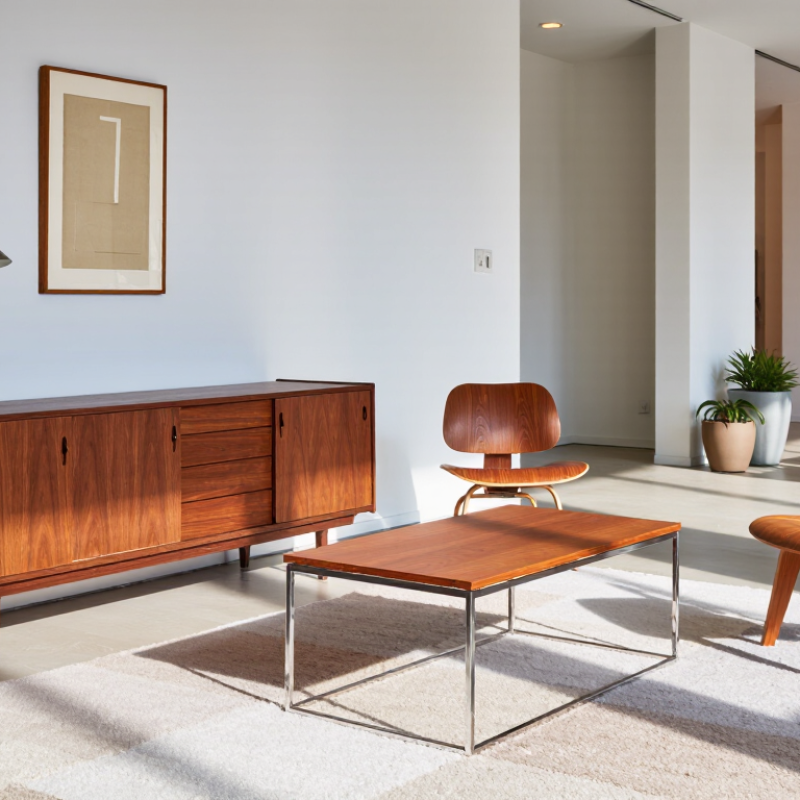
What makes a piece of furniture "mid-century modern"? The answer is more specific than a date stamped beneath a chair or a pair of slender, tapered legs. The style is generally associated with the middle decades of the twentieth century, especially the years after World War II. Yet its defining character comes from how form, materials, and everyday use work together. Think of a low walnut sideboard with clean lines, a molded plywood chair shaped to support the body, or a table whose open frame leaves a room feeling lighter.

Designer Charles Eames put the importance of details plainly: “The details are not the details. They make the design.” That idea helps explain why a single feature cannot settle the question. Mid-century modern pieces often pair practical construction with restrained ornament, organic curves, and materials such as teak, walnut, metal, or molded plastic. But these traits are clues, not a checklist. A recent reproduction may share the look, while an authentic vintage object may be less typical than expected.

There is room for judgment. I would not classify every chair with tapered legs as mid-century modern; that shortcut misses the design’s larger logic. In the sections ahead, we’ll look at the period, silhouettes, materials, craftsmanship, and context that help distinguish genuine examples from furniture merely borrowing the style. Even then, the borders can blur. That is part of the story.
What Makes a Piece of Furniture Mid Century Modern?

Historical Origins of Mid-Century Modern Furniture

Mid-century modern furniture emerged from a period of rapid change. Its roots reach into the 1930s, when designers explored simpler forms and new ways to shape materials. After World War II, those ideas met a public eager for practical, affordable homes. The style is often linked to the years from about 1945 to 1969, though its boundaries are not exact.

Materials shaped the look. Plywood could be bent into smooth curves, while steel and molded plastics allowed lighter, more flexible forms. In a modest living room, a low wooden sideboard might sit beside a chair with tapered legs and a woven seat. Scandinavian design contributed warm woods and careful craftsmanship; American factories brought methods suited to larger production. The result was not one uniform style. Not quite.

The history also holds a tension. Designers often aimed to make good design accessible, yet many striking pieces remained beyond the budgets of ordinary households. And “modern” did not mean cold: visible wood grain, soft upholstery, and rounded edges offered comfort alongside clean lines. Looking closely at a chair’s joints or a table’s slender supports can reveal both its period and the practical problems its maker was trying to solve. These origins are useful context, but the label can sometimes flatten a more varied story.

Core Design Principles and Functional Goals

Mid-century modern furniture is more than a recognizable silhouette. Its core principles include clean lines, useful proportions, and materials chosen for both appearance and everyday wear. Tapered legs raise a chair above the floor, making a room feel less crowded and cleaning easier. A low cabinet can store dishes or linens without blocking the view across a small space. Form had a job.

Good design balances visual lightness with practical support. A curved seat may follow the body, while a stable frame helps prevent wobbling. Wood grain, metal joints, and woven fabric are often left visible, making construction part of the design. Proportion matters: a wide sofa can dominate a narrow room, even if its shape looks elegant. And not every piece feels comfortable. Some seats look inviting but become stiff after an hour. That mismatch is worth noticing; function can fall short.

Tips: Measure your room and doorways before buying. Sit in a chair for several minutes, and check whether its height suits your table. Look closely at joints and upholstery seams. Small details tell you how a piece may hold up.

What Makes a Piece of Furniture Mid-Century Modern? — Core Design Principles and Functional Goals

Mid-century modern furniture generally refers to designs developed from the mid-1940s through the 1960s. The style is recognized by its clean forms, practical purpose, and thoughtful use of materials.

Design Dimension Common Characteristics Functional Goal Typical Example
Form and silhouette Clean lines, simple geometric shapes, and a balance of straight edges with gentle curves. Create a clear, uncluttered appearance while keeping the piece easy to use. A low-profile sofa with a simple frame and gently rounded seat cushions.
Legs and visual weight Many chairs, sofas, and cabinets have tapered legs or raised bases that reveal more floor area. Make furniture easier to clean beneath and help rooms feel more open. A wooden credenza raised on slender, angled legs.
Materials Natural woods such as teak, walnut, and oak appear alongside materials including steel, glass, molded plywood, and plastics. Combine durability and comfort with efficient production and a range of visual textures. A wood dining table paired with molded seats or a glass-topped table on a metal base.
Construction and making Designers used modern manufacturing methods, including plywood molding and the shaping of metal or plastics, as well as traditional woodworking. Make strong, practical forms possible with materials suited to their intended use. A molded-plywood chair shaped to support the body with fewer separate components.
Function and storage Storage furniture often uses drawers, sliding doors, shelves, or adaptable compartments with restrained exterior detailing. Keep everyday items organized without adding unnecessary ornament. A sideboard with concealed storage and a broad surface for serving or display.
Ergonomics and comfort Seat height, back support, cushioning, and proportions are considered alongside the overall appearance. Make furniture comfortable and suitable for everyday living, not merely decorative. A lounge chair with a reclined back, supportive seat, and appropriately positioned armrests.
Decoration and detail Ornament is generally restrained; the shape, material, joinery, or color often provides visual interest. Let the structure and materials stand out while avoiding unnecessary complexity. A table whose visible wood grain and carefully shaped edges provide the main detail.
Color and finish Natural wood tones may be paired with neutral upholstery or more vivid accent colors; finishes vary by design and material. Bring warmth or contrast to a room while preserving the piece’s clear overall form. A walnut-frame chair with a solid-color fabric seat.

How to use this guide: No single feature defines the style. Consider the piece’s overall form, materials, construction, and practical purpose together; designs from the period vary considerably.

Materials and Construction Methods

What Makes a Piece of Furniture Mid Century Modern?

Materials and Construction Methods

Materials often reveal how mid-century furniture balanced visual lightness with everyday use. Teak, walnut, and oak brought warm grain and sturdy surfaces to cabinets and tables. Designers also used plywood, bending thin layers into curved backs and shell-like seats. Steel and aluminum made slender frames possible, while molded plastics introduced smooth, sculptural forms. These choices were not purely decorative. A narrow leg could make a room feel more open, but it still needed sound joints to support regular use. That matters.

Construction details offer useful clues. Look beneath a chair: dowels, screws, and carefully fitted joints can show how its frame was assembled. Some pieces rely on mortise-and-tenon joinery; others use bent laminations or metal brackets. There was no single method shared by every maker or decade. Upholstery can also vary, from simple fabric over foam to more carefully shaped cushions. Wear is informative, too. Loose joints, uneven repairs, or veneer lifting near an edge may suggest years of use—or later restoration. Not always. A familiar silhouette alone cannot confirm age or quality, so inspect the materials, joinery, and finish together.

Characteristic Shapes, Details, and Finishes

Mid-century modern furniture is often recognized by silhouette before ornament. Look for tapered legs, low profiles, and gently angled backs. These shapes lift a cabinet or sofa visually, leaving open floor beneath it. A walnut sideboard with slim legs can feel lighter than its broad storage suggests. Not every piece has all these traits.

Details tend to be restrained but purposeful. A drawer may have a recessed pull, a rounded edge, or a small finger gap instead of applied decoration. Proportions matter: legs should meet the frame cleanly, while doors and drawers sit evenly. On a chair, a curved plywood shell can follow the body without bulky padding. Check the underside, too. Repairs and uneven wear can reveal more than a polished surface.

Finishes usually let the material show. Warm woods, muted colors, and satin or oil-like surfaces are common. Glossy coatings may appear, but they are not a rule. Compare worn edges with protected areas to see how the finish has changed. Patina can look convincing, yet age alone does not prove a design period. I still find the label fuzzy at the margins. A piece may borrow the shape without sharing the original construction or feel.

How to Identify an Authentic Mid-Century Modern Piece

An authentic mid-century modern piece is identified through more than a tapered leg or a curved profile. Look for a coherent design: restrained forms, practical proportions, and materials chosen with care. Solid wood may show grain that continues across a surface, while well-made joints feel snug rather than loose. Details should work, not merely decorate.

Inspect the underside, back, and drawer interiors. These less visible areas can reveal consistent construction, aged fasteners, and finish wear that makes sense for the piece. Check whether the wood has mellowed naturally and whether contact points show believable use. Patina helps, sometimes. But wear alone proves little; artificial aging can imitate scratches and faded color.

Measurements and provenance matter too. Compare dimensions with documented examples from the same period, and ask for clear photographs or any available ownership history. A replaced handle or repaired joint does not automatically make a piece inauthentic, though it affects condition and value. This judgment is not perfect. A convincing silhouette can mislead, and honest uncertainty is better than treating one clue as proof. Examine several features together, and seek an independent furniture specialist when the purchase is significant.

FAQS

When did mid-century modern furniture become popular?

Its ideas appeared in the 1930s and gained wider attention after World War II. The style is commonly associated with 1945 to 1969, though its dates are not exact.

What materials are common in mid-century modern furniture?

Designers used warm woods, plywood, steel, molded plastics, and woven fabrics. A bent plywood chair or a wooden sideboard shows how these materials shaped everyday pieces.

What design features should I look for?

Look for clean lines, useful proportions, tapered legs, and visible construction details. These features can make a room feel less crowded, but appearance alone does not guarantee comfort.

How can I check whether a piece is comfortable?

Sit in the chair for several minutes and check its height against your table. Some seats look inviting but feel stiff after an hour. Looks can mislead.

How can I assess a piece’s construction?

Inspect the joints, upholstery seams, drawer interiors, underside, and back. Snug joints and consistent workmanship are helpful clues, though no single detail proves quality.

Does wear prove that furniture is authentic?

No. Naturally mellowed wood and believable wear at contact points may support its history, but artificial aging can imitate scratches and faded color. Patina helps, sometimes.

Do repairs make a piece inauthentic?

Not necessarily. A replaced handle or repaired joint does not automatically change a piece’s origins, but repairs can affect its condition and value.

What should I check before buying a piece?

Measure the room and doorways, then compare the furniture’s dimensions with documented examples. Ask for clear photographs and available ownership history. Some uncertainty may remain.

Conclusion

What makes a piece of furniture "mid-century modern"? The style grew from the design changes of the mid-20th century, when makers sought practical, comfortable furnishings suited to modern homes. Its guiding principles include simplicity, efficient use of space, and a balance between function and visual appeal. Rather than relying on heavy ornament, mid-century modern furniture often lets its structure and materials shape its character.

Common examples feature clean lines, gently curved forms, tapered legs, and carefully considered details. Wood may be paired with metal, glass, or molded materials, using construction methods that emphasize both durability and a light, uncluttered appearance. Finishes are generally straightforward, allowing the shape and natural qualities of the materials to stand out. To assess whether a piece is authentic to the style, consider its overall proportions, construction, materials, and details together; one fashionable feature alone is not enough to identify it.

Sophia

Sophia

Sophia is a dedicated marketing professional with an exceptional depth of knowledge about her company's products and services. With a keen understanding of market trends and customer needs, she crafts insightful blog posts that not only inform but also engage readers, enriching the company’s online......