Why Is Modular Furniture Best for Growing Families?

Time:2026-09-16 Author:Sienna
0%

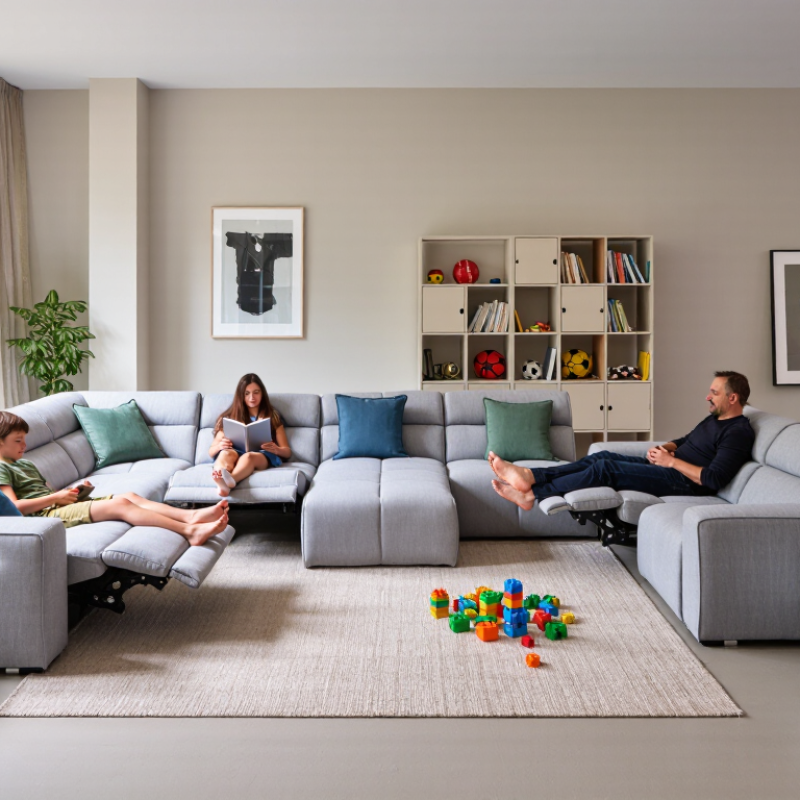
Why is modular furniture the best choice for growing families? The answer begins with change. A nursery becomes a study. A small sofa must eventually seat teenagers, guests, and tired parents. Modular furniture responds through movable sections, replaceable covers, adjustable storage, and expandable seating.

The 2023 IKEA Life at Home Report surveyed more than 37,000 people across 38 countries. It highlights how strongly people value comfort, control, and flexibility at home. These needs become sharper when children grow quickly. A modular sofa can gain an ottoman instead of being replaced. A shelving system can move from toy storage to books and sports equipment. The Ellen MacArthur Foundation also emphasizes longer product use and repair within a circular economy. That principle supports furniture designed for adaptation.

Design expert Charles Eames said, “The details are not the details. They make the design.” His point matters here. Strong connectors, washable fabrics, safe edges, and stable frames determine everyday performance. They also reveal a limitation. Modular furniture is not automatically durable or sustainable. Cheap joints may loosen. Extra pieces may occupy valuable floor space. Families should check weight ratings, warranties, repair options, and material certifications before buying.

Still, modular design offers a practical advantage. It lets a home change without demanding a complete replacement. A corner unit can follow a child from bedroom to shared playroom. A table can become longer during family gatherings. That flexibility saves money, reduces disruption, and supports real household experience. Growth is rarely tidy. Furniture should not pretend otherwise.
Why Is Modular Furniture Best for Growing Families?

What Modular Furniture Means for Growing Families

Why Is Modular Furniture Best for Growing Families?

What Modular Furniture Means for Growing Families

Modular furniture is built from separate pieces that can be rearranged, expanded, or replaced. It adapts when a baby needs a changing area, a child needs a study corner, or teenagers need privacy. That distinction matters. Traditional furniture often assumes one permanent layout.

In practical family-home planning, modular systems support changing routines without forcing a full-room replacement. A storage unit can gain drawers. A sofa can become a wider seating arrangement. Shelving can move from a nursery to a study space. Space changes fast.

Grand View Research valued the global home furniture market at approximately $552.8 billion in 2023. Its report forecasts a 5.6% compound annual growth rate through 2030. This growth reflects continued demand for flexible home products. Sustainability also deserves attention. The U.S. Environmental Protection Agency reported about 12.1 million tons of furniture and furnishings discarded in 2018. Around 80.2% reached landfills. Modular parts may reduce waste when families replace only damaged or outdated sections.

Tips: Measure doorways, walking paths, and storage depth before buying. Choose washable covers and durable connectors. Check anchoring options, especially around young children. Ask whether replacement parts remain available. Modular furniture is not always cheaper. Poor-quality fittings can loosen, and endless rearranging can become frustrating. A simple configuration may serve a family better than a complicated one.

How Modular Designs Adapt to Changing Family Needs

Modular furniture adapts as family life changes, rather than forcing one layout for years. A nursery may need a compact changing station today and open storage tomorrow. Later, the same components can become a study desk, reading corner, or shared bedroom organizer. This flexibility reduces waste and makes small rooms feel less crowded.

In home planning, I have found that movable units work best when families measure real routines first. Where do school bags land? Which drawers can a child reach safely? A low shelf near the entrance may prevent daily clutter, while adjustable partitions can create privacy between siblings. Pieces with rounded edges, stable connectors, and secure wall anchoring deserve careful attention. Safety matters more than appearance.

Changing needs are not always predictable. A new hobby, a remote-work schedule, or an unexpected move can challenge even thoughtful plans. Modular designs allow gradual changes instead of one expensive replacement. Still, flexibility has limits. Too many loose parts may create visual noise, and frequent rearranging can weaken poorly made connections. Families should check fasteners, weight limits, and material quality regularly. A simple floor plan can help, but living in the space reveals more than measurements alone.

Ways Modular Furniture Maximizes Space at Every Stage

Growing families rarely use a room the same way for long. A nursery can become a playroom, study corner, or shared bedroom within a few years. Modular furniture responds by changing shape, position, and purpose. In practical room planning, movable shelving often creates the biggest improvement. A low unit can hold board books today, then become a desk base later. Components with secure joints and durable finishes also support safer daily use. Measure doorways, walking paths, and reach heights before buying. Small errors become expensive.

Space can be maximized vertically without making a room feel crowded. Add stackable storage near the ceiling, while keeping daily items between a child’s shoulder and waist height. A bed with drawers can store winter blankets, spare sheets, and sports equipment. When siblings share a room, separated modules can create personal zones without permanent walls. Leave a clear path of about 60 centimeters wherever possible, although room shape may require compromise. That detail is practical, not perfect.

As children grow, modular pieces can move from a bedroom to a hallway, or from a home office to a homework station. This extends useful life and reduces unnecessary replacement. Choose standardized dimensions, replaceable hardware, and materials that tolerate repeated assembly. Check weight ratings before placing books on shelves. Anchor furniture when instability is possible. Families may save floor space but lose storage when planning only for today. A quick sketch of next year’s needs can prevent that mistake. It may still be wrong. Families change faster than floor plans.

Why Is Modular Furniture Best for Growing Families? - Ways Modular Furniture Maximizes Space at Every Stage

Family Stage Modular Furniture Setup Typical Footprint Primary Space Function Adaptability Benefit Estimated Floor Area
Infant Stage
0–2 years
Compact crib, changing module, and storage cube Approximately 28 × 70 in crib area plus 24 × 18 in storage module Sleeping, changing, and clothing storage in one zone Storage cubes can be separated or repositioned as routines change About 17.5 sq. ft. for the crib footprint alone
Toddler Stage
2–5 years
Low bed, toy-storage bench, and open shelving Approximately 30 × 60 in bed area plus 36 × 16 in bench Sleeping, reading, play, and accessible toy storage The bench provides seating, concealed storage, and a flexible play boundary About 15.7 sq. ft. for the bed and bench footprints
School-Age Stage
6–11 years
Twin bed, rolling desk, and vertical shelving unit Twin mattress: 38 × 75 in; desk: approximately 42 × 20 in Sleeping, homework, books, and hobby storage A rolling desk can move away from the bed to create a larger activity area About 22.5 sq. ft. for the bed and desk footprints
Teen Stage
12–17 years
Twin XL bed, larger workstation, and modular wardrobe Twin XL mattress: 38 × 80 in; workstation: approximately 48 × 24 in Sleeping, study, technology, clothing, and personal storage Modules can be rearranged to support longer sleep surfaces and increased storage needs About 25.8 sq. ft. for the bed and workstation footprints
Shared-Sibling Stage
Two children
Two twin beds, under-bed drawers, and a shared storage wall Two twin mattresses: 38 × 75 in each; storage depth: approximately 16–20 in Two sleeping zones with centralized clothing and book storage Beds can be separated, aligned, or converted into an L-shaped layout About 39.6 sq. ft. for two mattress footprints before circulation space
Flexible Guest Stage
Older children or guests
Sofa module, pull-out sleep surface, fold-down table, and movable storage Closed sofa depth: approximately 34–38 in; open sleep surface varies by design Daily seating, occasional sleeping, dining, and work The same floor area serves different purposes without adding a permanent bed Daytime footprint is typically about 8–10 sq. ft., excluding clearance
Measurement note: Mattress sizes follow commonly used North American dimensions. Footprint estimates are calculated from the listed length and width and exclude circulation space, door clearance, and manufacturer-specific construction details.

The Cost and Long-Term Value of Modular Furniture

Why Is Modular Furniture Best for Growing Families?

The Cost and Long-Term Value of Modular Furniture

Modular furniture can cost more at the beginning, but its long-term value often appears through repeated use. A sofa with separate sections can change from a compact seat to a larger family arrangement. When children grow, families can add pieces instead of replacing the entire setup. This reduces waste and may protect the household budget over several years. In practical home planning, I recommend checking frame quality, connectors, fabric durability, and repair options before comparing prices. A low price is not always a low cost.

The value also depends on how often each component is used. A removable cover can handle spilled milk, muddy shoes, or creative accidents more easily than fixed upholstery. Storage modules may become toy cabinets today and study storage later. However, modular furniture is not automatically economical. Extra sections can encourage unnecessary buying, and poorly made connectors may loosen with daily movement. I have seen families underestimate delivery and assembly costs. That mistake can change the expected savings.

Tips: Measure doorways and room corners first. Choose neutral, replaceable materials. Buy only the modules your family needs now. Keep a small budget for future additions. Reconsider the layout every year.

Safety, Durability, and Sustainable Choices for Family Homes

Why Is Modular Furniture Best for Growing Families?

Modular furniture can adapt as children grow, but flexibility should never replace safety. Choose units with rounded corners, stable bases, and secure locking connections. Tall sections should be anchored according to the manufacturer’s instructions. Check weight limits before storing books, toys, or climbing-prone children’s items. I have found that small gaps deserve attention too. Curious fingers can reach them quickly. Look for durable surfaces with clear material information and independently tested safety documentation. Low-emission finishes are preferable for bedrooms and play areas, especially when ventilation is limited.

Tips: Measure the room before buying. Leave clear walking paths. Recheck bolts after moving modules. Teach children which parts are not for climbing.

Durability matters because family furniture faces spills, sharp toys, repeated assembly, and sudden changes in use. Replaceable panels and washable covers can extend its working life. Strong joints help, but maintenance still matters. A neglected screw can weaken a whole arrangement. Sustainable choices involve more than recycled content. Consider repairability, long-term availability of parts, responsibly sourced materials, and eventual recyclability. Choose pieces that can serve as a low shelf today, then become storage or a desk later. Still, modular furniture is not automatically sustainable. Buying too many sections defeats the purpose. My own design preference would be fewer, better-used modules, even if the room looks less complete at first.

FAQS

What is modular furniture?

Modular furniture uses separate pieces that can be rearranged, expanded, or replaced. A shelf might become a study unit later. Space changes quickly.

Why does modular furniture suit growing families?

Children’s needs change from baby care to homework and private storage. Modular pieces adjust without replacing the entire room. That flexibility is useful, though not always simple.

How can modular furniture support different family stages?

A storage unit can gain drawers as clothing increases. A sofa can expand for guests. Shelving can move from a nursery to a study area.

What should families measure before buying?

Measure doorways, walking paths, room dimensions, and storage depth. A large module may fit the room but fail at the doorway. Small details matter.

How can families improve modular furniture safety?

Choose rounded corners, stable bases, and secure locking connections. Anchor tall units according to the instructions. Check weight limits. Curious fingers find small gaps.

Is modular furniture durable enough for busy homes?

Durable connectors, strong joints, washable covers, and replaceable panels can extend its use. Spills and sharp toys still cause wear. Loose screws need attention.

Is modular furniture always sustainable?

No. Its sustainability depends on repairability, available replacement parts, and recyclable materials. Buying too many sections creates unnecessary waste. Fewer modules may work better.

Can modular furniture save money over time?

It may reduce costs when families replace one damaged section instead of a whole unit. However, poor fittings can loosen, and quality modules may cost more initially. The answer is not always yes.

Conclusion

Modular furniture offers growing families a practical way to create homes that change alongside their needs. Instead of replacing an entire room as children grow or family routines shift, modular pieces can be rearranged, expanded, combined, or repurposed. Why is modular furniture the best choice for growing families? Its flexibility makes it easier to adapt bedrooms, play areas, study spaces, and shared living zones without major renovations or unnecessary waste.

By using adjustable storage, stackable units, and multifunctional designs, families can make the most of limited space at every stage. Although modular furniture may require a higher initial investment, its long-term usefulness can deliver better value than buying replacement items repeatedly. Families should also consider sturdy construction, rounded edges, secure fittings, and non-toxic materials to support everyday safety. Choosing durable and sustainably made components can further reduce waste while creating a comfortable, organized, and adaptable home for years to come.

Sienna

Sienna

Sienna is a skilled marketing professional with a deep expertise in our company’s core products and services. With a passion for innovation and detail, she plays a pivotal role in crafting insightful blog posts that not only highlight the unique features of our offerings but also provide valuable......